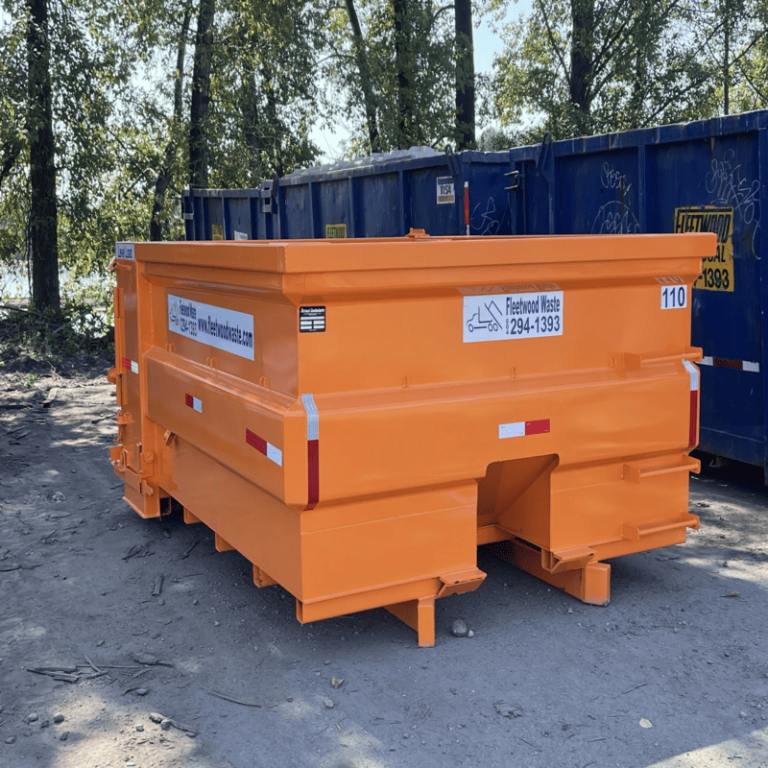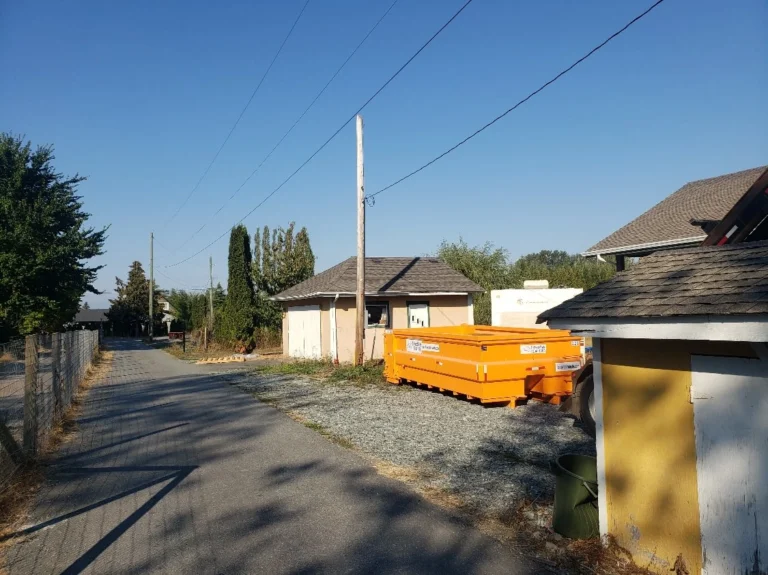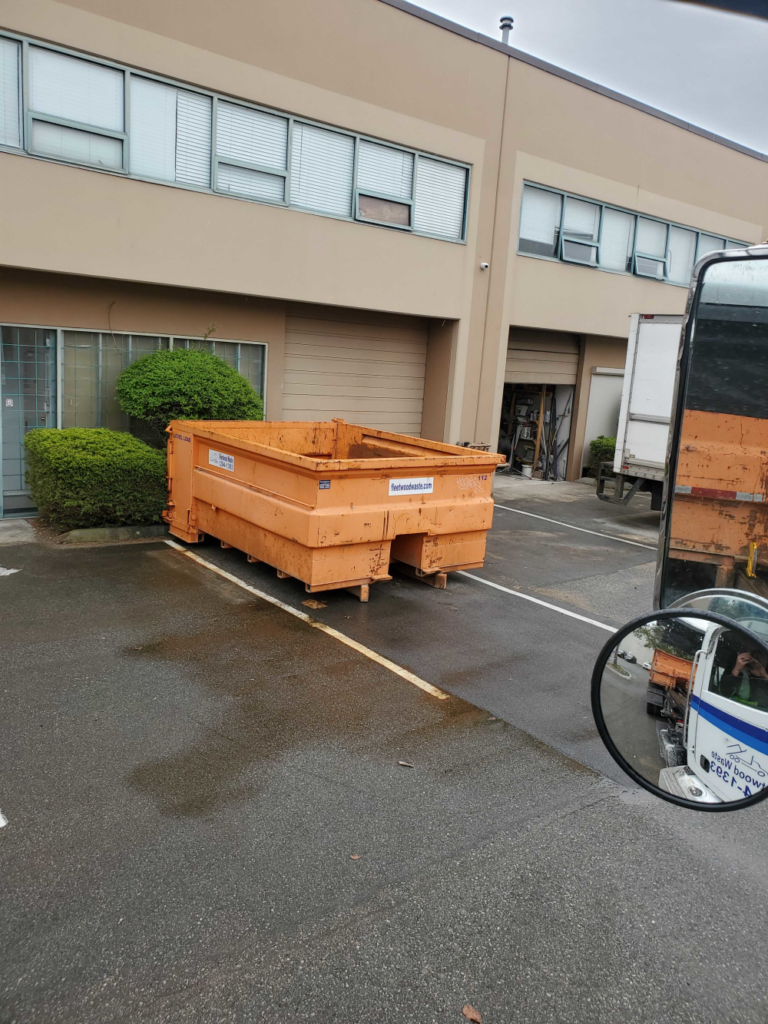
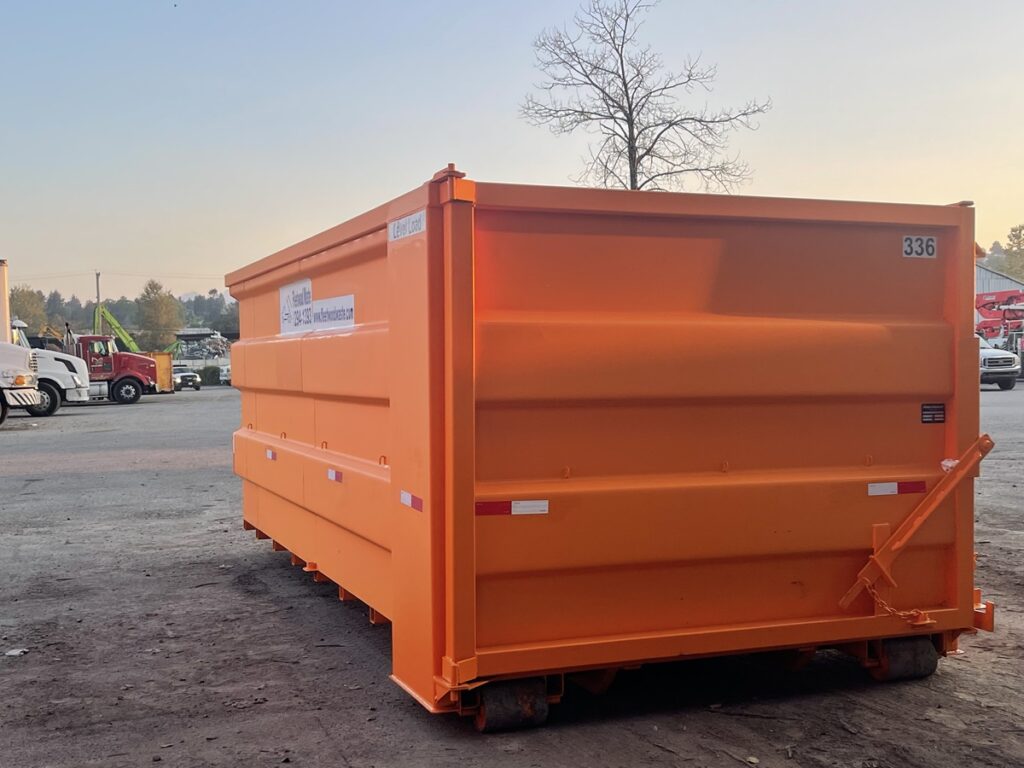
When tackling large cleanups, home renovations, or construction projects, choosing the right dumpster size is essential. Renting a dumpster that is too small means running out of space and paying for multiple pickups. Renting one that is too large wastes money. Two popular large sizes are 30-yard dumpster rental and 40-yard dumpster rental. In this guide, we explain the differences, advantages, and how to pick the dumpster that fits your project.
What Is a Dumpster Rental?
A dumpster is a large waste container used to temporarily store debris from construction, home remodeling, cleanouts, or commercial projects. Dumpster sizes are measured in cubic yards, which shows how much waste they can hold.
Why size matters:
- Too small → Extra rental or pickup fees
- Too large → Paying for unused space
Understanding Dumpster rental Sizes
Dumpster sizes typically include 10-yard, 20-yard, 30-yard, and 40-yard containers. The choice depends on project type, debris volume, and waste type.
30-Yard Dumpster
A 30-yard dumpster can hold roughly 9–10 pickup truck loads of waste.
Best uses:
- Medium to large home renovations (kitchen, basement remodel)
- Roofing or siding replacement
- Commercial cleanouts or small construction sites
Dimensions & Price:
- Measures approximately standard 30-yard size (exact dimensions vary by provider)
- Confirm fuel and scale fees, taxes, additional weight and any material or extension charges in your itemized written quote.
Advantages:
- More affordable than a 40-yard dumpster
- Fits tighter spaces
- Ideal for most large residential projects
Drawbacks:
- May require multiple pickups for very large projects
- Limited space for oversized commercial debris
40-Yard Dumpster
A 40-yard dumpster is one of the largest standard containers, holding about 13–14 pickup truck loads of debris.
Best uses:
- Full home demolitions or major renovations
- Large commercial construction projects
- Industrial cleanouts
- Events generating large amounts of waste
Dimensions & Price:
- Measures approximately 18 ft long × 8.5 ft wide × 7.5 ft high
- Confirm fuel and scale fees, taxes, additional weight and any material or extension charges in your itemized written quote.
Advantages:
- Reduces need for multiple pickups
- Holds more waste in one rental
- Suitable for large commercial projects
Drawbacks:
- Higher rental cost
- Requires more delivery space
- May not fit small driveways
Dumpster Rental Period
- Standard rental period: 5 days (mixed-waste bins; rock boxes for dirt or concrete include 3 days).
- Extended rentals: Available for an additional fee
Key Differences Between 30-Yard and 40-Yard Dumpsters
| Feature | 30-Yard Dumpster | 40-Yard Dumpster |
| Capacity | 9–10 pickup truck loads | 13–14 pickup truck loads |
| Dimensions | Standard 30-yard size | 18 ft × 8.5 ft × 7.5 ft |
| Ideal For | Medium-large renovations | Full demolitions, large construction |
| Cost | Confirm the charge in your written quote. | Confirm the charge in your written quote. |
| Space Needs | Fits most driveways | Needs larger space |
| Pickup Frequency | Might need extra | Usually single pickup |
How to Choose the Right Dumpster
Choosing the best dumpster involves more than size. Consider waste type, project scale, space, and budget.
1. Identify Your Waste Type
- Construction debris: wood, drywall, concrete, bricks
- Recyclable materials: metal, cardboard, wood
- Hazardous waste: paints, chemicals, asbestos (requires special disposal)
A 30-yard dumpster works well for standard debris. A 40-yard dumpster is better for mixed or massive construction waste.
2. Estimate Project Size
- Small renovations → 10–20 yards
- Medium renovations → 30 yards
- Large demolitions or commercial → 40 yards
3. Check Space Availability
- Ensure enough space for delivery and pickup
- Measure driveway width, overhead clearance, and consider street placement rules
4. Consider Your Budget
- Larger dumpsters cost more
- Include rental, disposal, and pickup fees in the total cost
- A slightly smaller dumpster may save money if your project isn’t massive
5. Plan for Pickup and Disposal
- Schedule pickups in advance
- Sort recyclables separately to reduce costs
- Avoid overloading the dumpster to prevent extra fees
Frequently Asked Questions
Q1: Can I use a 40-yard dumpster for a small project?
Yes, but it is more expensive. A 30-yard dumpster is often enough for medium-sized projects.
Q2: What materials can go in these dumpsters?
Fleetwood mixed-waste bins accept suitable wood, furniture, flooring, asphalt shingles and renovation debris. Drywall requires a separate drywall-only bin; concrete, dirt and other heavy materials require a suitable separate container. Appliances, electronics, propane tanks, chemicals, hazardous waste and food waste are not permitted in mixed-waste bins. Review our materials policy before loading.
Q3: How long can I rent a dumpster?
Fleetwood 10-, 20-, 30- and 40-yard mixed-waste bins include 5 days. The 8- and 10-yard rock boxes for dirt or concrete include 3 days. Additional rental time costs a quoted daily rate after the included period. Confirm any extension and pickup arrangements before booking.
Q4: Do I need a permit for a large dumpster?
Some cities require a permit if the dumpster is placed on a public street. Check with local authorities before booking.
Q5: Can I overload the dumpster?
No. Exceeding the weight limit may lead to additional fees or refusal of pickup. Always follow rental company guidelines.
Tips for a Smooth Dumpster Rental
- Compare local rental companies: Prices and services vary.
- Know weight limits: Avoid fines or extra fees.
- Prepare your site: Clear area for delivery and pickup.
- Sort debris: Separate wood, metal, and recyclables to save money.
- Book in advance: Ensure availability, especially during high-demand seasons.
Final Thoughts
- 30-yard dumpsters are ideal for medium-sized home renovations or smaller commercial projects.
- 40-yard dumpsters are perfect for large-scale construction, demolitions, or projects generating massive debris.
Planning your dumpster rental carefully ensures you save money, reduce stress, and complete your project efficiently.
Need help choosing the right dumpster for your project? Contact your local dumpster rental service today for a free consultation. Experts can help you pick between a 30-yard or 40-yard dumpster, ensuring your cleanup or construction project runs smoothly.
Confirm your Fleetwood rental
Rock boxes used for dirt or concrete include three days. Mixed-waste bins include five days. Contact Fleetwood before the agreed pickup if you need an extension, and confirm the additional-day charge and revised collection date in your written quote.
Pricing depends on your delivery city, bin, material and load. Confirm the included weight, loading limits and any applicable charges before booking. Drywall requires a separate drywall-only bin; concrete and dirt require a suitable separate container.