If you’ve asked for a “dumpster” and been quoted for a “bin,” you’re not confused — the industry just isn’t consistent with its own words. Renting a container for a renovation or cleanout shouldn’t require learning new vocabulary first. Here’s what dumpster, bin, and roll-off actually mean, and which one you need.
At a Glance
- What it is: Three common names for the same waste container.
- Why it matters: Knowing the terms gets you an accurate quote.
- Who should use this: Anyone renting a container for the first time.
- Biggest benefit: You’ll order the right size without confusion.
Are a Dumpster, a Bin, and a Roll-Off the Same Thing?
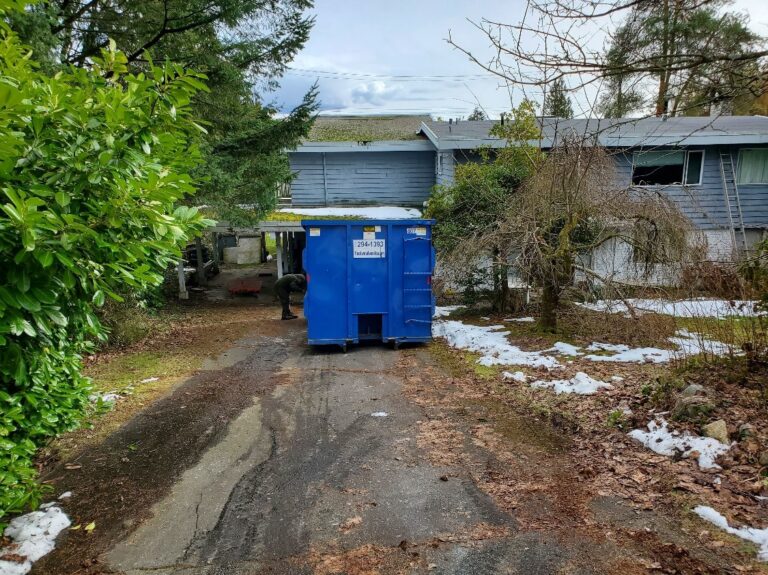
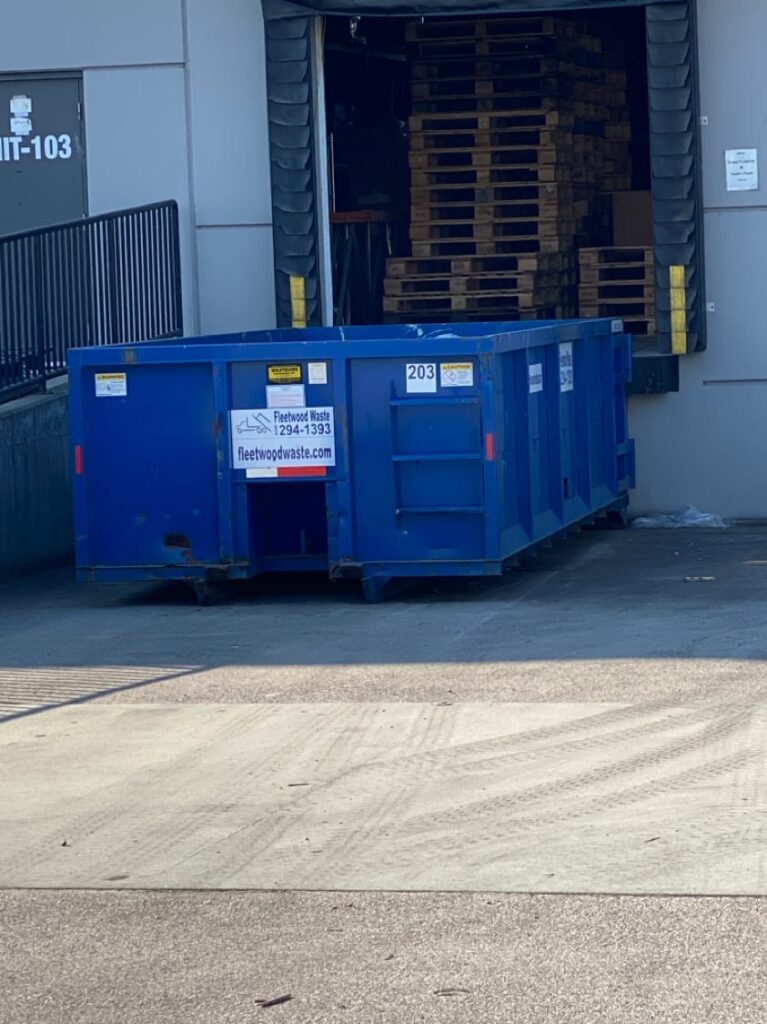
In almost every case, yes. All three describe the same large, open-top container used to haul away waste, debris, or renovation materials. The word someone uses usually depends on where they live, not what they’re ordering.
In the United States, “dumpster” is more common. In British Columbia and much of Canada, “bin” is the everyday word — “bin rental” gets searched far more than “dumpster rental,” even though the container is identical.
Where Did the Word “Dumpster” Come From?
“Dumpster” started as a brand name. In the 1930s, Dempster Brothers Manufacturing built a mechanized hauling system and combined their name with “dump,” calling it the Dempster-Dumpster. It caught on so widely it became the generic word for any large waste container, the same way “Kleenex” became shorthand for tissue.
What Does “Roll-Off” Actually Mean?
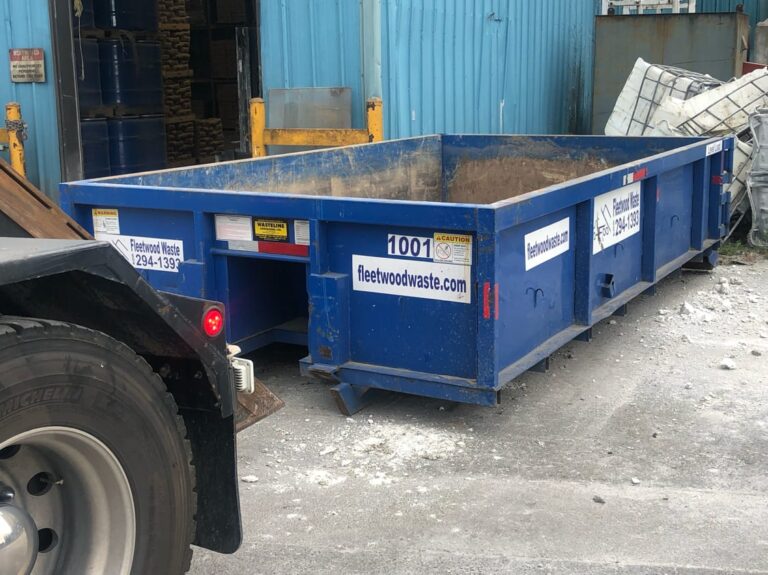
“Roll-off” describes how the container is delivered, not what it looks like. A roll-off truck uses hydraulic rails to tilt and slide the container on and off its bed. That’s different from a front-load dumpster, which stays put and gets lifted and emptied by a truck’s forks.
Roll-off containers handle one-time jobs: renovations, cleanouts, demolition, construction. They’re measured in cubic yards, from small 3-yard bins for a garage cleanout up to 40-yard bins for major demolition.
Roll-Off vs. Front-Load: The Difference That Matters
This distinction changes what you should ask for.
| Container type | Best for | How it’s serviced |
| Roll-off (dumpster/bin) | One-time projects | Delivered once, hauled away when done |
| Front-load dumpster | Ongoing waste (restaurants, retail, apartments) | Emptied on a regular schedule, stays on-site |
If it’s a single project, you want a roll-off. If waste needs picking up week after week, you want a front-load container.
Which Word Should You Use?
Either one works. A waste company that knows the business understands “dumpster,” “bin,” or even “skip” (the UK/Australian term) and asks what actually matters: what you’re throwing away, how much, and how long you need it. Describing your project matters more than the exact word.
Key Takeaways
- Dumpster, bin, and roll-off container usually mean the same thing — the word depends on your region.
- “Dumpster” began as a 1930s brand name that became a generic term.
- “Roll-off” describes the truck’s delivery system, not the container’s size.
- Roll-offs suit one-time projects; front-load dumpsters suit ongoing, scheduled waste.
- In British Columbia, “bin rental” is the more common everyday phrase.
Frequently asked question
1. Is a bin the same as a dumpster?
Yes. Both are the same open-top container for one-time waste removal. “Bin” is just the more common term in Canada and the UK.
2. What does “roll-off” mean exactly?
How it’s loaded and unloaded — a truck uses hydraulic rails to roll it on and off the flatbed, instead of lifting it with forks.
3. Is a “skip” the same as a dumpster?
Yes. “Skip” is the word used in the UK, Ireland, and Australia for what North Americans call a dumpster or bin.
4 How do I know what size I need?
Roll-offs typically run 3 to 40 cubic yards. The right size depends on your waste type and amount — a good rental company will ask before recommending one.
Conclusion
Whatever word you use — dumpster, bin, or roll-off — you’re describing the same thing: a container that shows up, holds your debris, and gets hauled away. Getting the right size matters more than getting the term exact.
Not sure which size or container fits your job? Contact Fleetwood Waste and we’ll match you to the right bin, anywhere in Metro Vancouver.
Confirm your Fleetwood rental
Rock boxes used for dirt or concrete include three days. Mixed-waste bins include five days. Contact Fleetwood before the agreed pickup if you need an extension, and confirm the additional-day charge and revised collection date in your written quote.
Pricing depends on your delivery city, bin, material and load. Confirm the included weight, loading limits and any applicable charges before booking. Drywall requires a separate drywall-only bin; concrete and dirt require a suitable separate container.