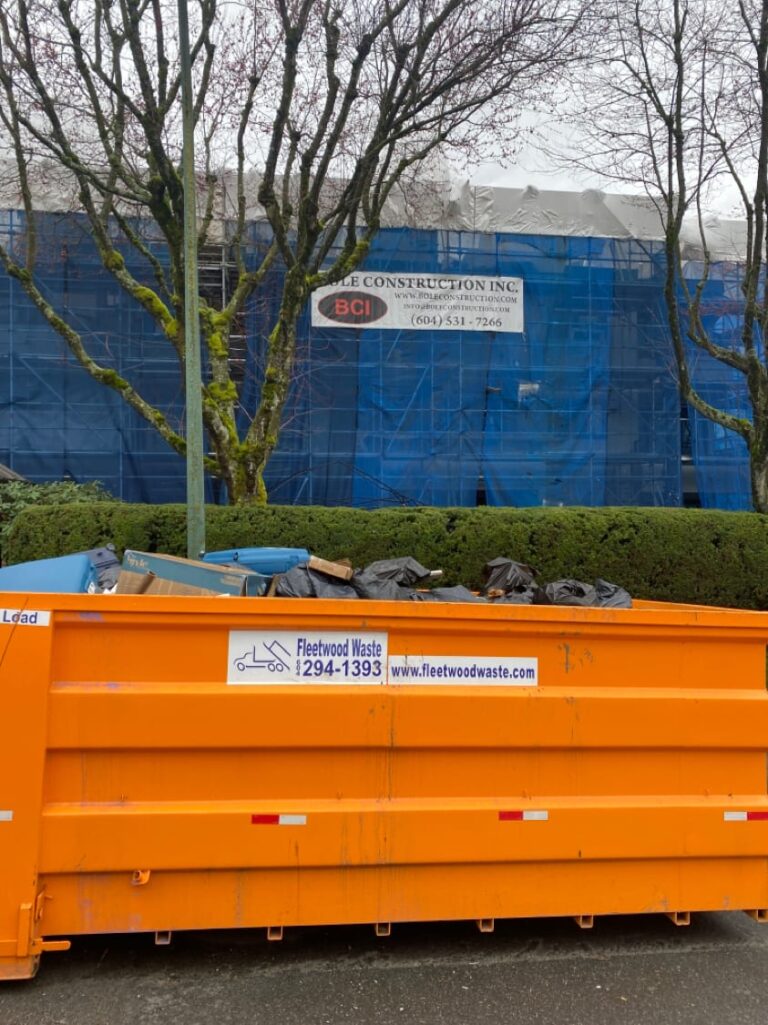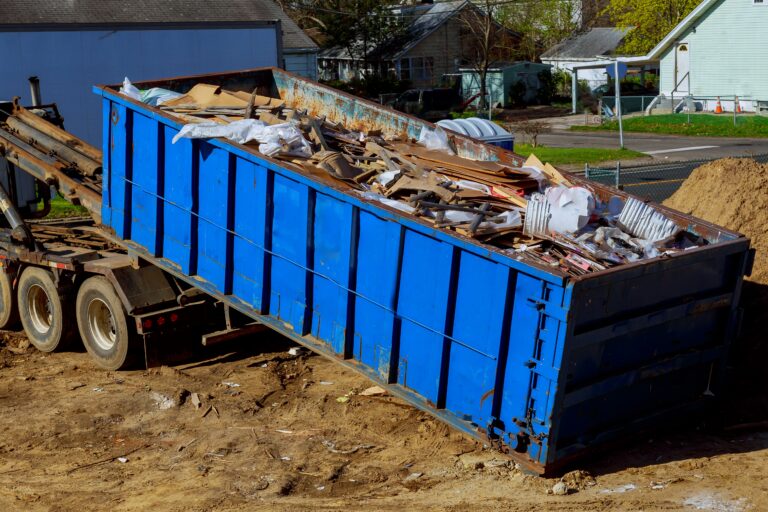

When planning a home renovation or running a construction project, one of the biggest challenges is managing waste. Old drywall, broken tiles, wood scraps, packaging, and even concrete can pile up faster than expected. That’s why many homeowners and contractors turn to construction bin rentals (sometimes called dumpster rentals or waste disposal bins) to keep the project clean and safe.
In this guide, we’ll cover the essentials of renting a bin for your home or business project, including types of bins, costs, loading tips, and common mistakes to avoid.
Why Rent a Construction Bin?
A waste container rental offers several benefits compared to hauling trash on your own:
- Convenience – You don’t need to make multiple trips to the dump.
- Safety – Keeping sharp or heavy debris in one place reduces hazards.
- Time-Saving – Work continues without clutter slowing you down.
- Regulation Compliance – Rental companies handle disposal in line with local laws.
Whether you’re doing a DIY basement remodel, upgrading your kitchen, or managing a commercial demolition, a roll-off bin rental keeps your site organized.
Types of Construction Bins
Rental companies usually offer several bin sizes. Picking the right one depends on how much and what type of waste you’ll generate.
1. Small Bins (10–15 cubic yards)
- Great for yard cleanup, small bathroom remodels, or decluttering.
- Handles light construction debris and general household junk.
2. Medium Bins (20 cubic yards)
- A good fit for kitchen renovations or roofing projects.
- Fleetwood mixed-waste bins can take approved wood, cabinets, flooring, furniture and suitable renovation debris. Keep drywall in a separate drywall-only bin and use an appropriate rock box for approved dirt or concrete. Hazardous waste, chemicals, batteries, appliances, electronics and food waste must stay out of mixed-waste bins.
3. Large Bins (30–40 cubic yards)
- Best for full-home renovations or business construction projects.
- Designed for bulky or heavy materials like concrete, brick, and wood beams.
Pro Tip: Ask your rental company about weight restrictions. A large bin filled with soil or concrete may exceed limits.
What Materials Can Go Into a Rental Bin?
Most construction waste bins accept:
- Wood, plaster, insulation, and drywall
- Flooring, roofing shingles, and tiles
- Bricks, asphalt, and concrete (check if a special bin is required)
- Packaging materials and cardboard
- Scrap metal and non-hazardous junk
Materials usually not allowed include:
- Hazardous chemicals or paint
- Asbestos
- Keep hazardous waste, chemicals, batteries, appliances and electronics out of Fleetwood bins. Tires require advance review and a surcharge.
- Tires and flammable items
Always confirm with your provider. Incorrect disposal could mean added fees.
Tips for Renting a Bin for Home Renovation
- Estimate Your Waste – Even small jobs create more debris than expected.
- Pick the Right Spot – Place the bin in a driveway or flat surface. Avoid blocking walkways or public streets without a permit.
- Fleetwood mixed-waste bins can take approved wood, cabinets, flooring, furniture and suitable renovation debris. Keep drywall in a separate drywall-only bin and use an appropriate rock box for approved dirt or concrete. Hazardous waste, chemicals, batteries, appliances, electronics and food waste must stay out of mixed-waste bins.
- Fleetwood’s 10-, 20-, 30- and 40-yard mixed-waste bins include five days. The 8- and 10-yard rock boxes used for dirt or concrete include three days. Confirm any extension charges and revised pickup arrangements with the team.
Tips for Renting a Bin for Business Projects
Business construction projects usually require larger bins and stricter planning.
- Go Heavy-Duty – Commercial projects often involve metal, concrete, or demolition waste. Ask for reinforced bins.
- Use Multiple Bins – Separate recyclable materials like metal or concrete to save on disposal costs.
- Plan for Pickup – Coordinate with your schedule so bins are swapped quickly when full.
- Check Local Rules – Some cities require specific handling of construction and demolition waste.
How Much Do Construction Bin Rentals Cost?
The price depends on bin size, rental length, location, and waste type. On average:
- For smaller approved mixed-waste cleanouts or renovations, compare Fleetwood’s 10-yard dumpster. Its approximate dimensions are 10 feet long, 8.5 feet wide and 4 feet high. For dense dirt or concrete, discuss an 8- or 10-yard rock box instead of a mixed-waste dumpster.
- Medium bins (20 yards) — View city pricing or request a written quote for your bin, material and delivery address.
- Request the rate for your delivery city and material.
Other possible charges:
- Extra days beyond the rental period
- Exceeding weight limits
- Mixing prohibited materials
To avoid surprises, ask for a flat-rate quote upfront.
How to Choose the Right Bin Rental Company
Look for companies that offer:
- Your Fleetwood written quote should itemize the base rental, included weight and rental period, delivery and pickup arrangements, fuel and transaction fees, applicable taxes and any material-specific charges.
- Reliable pickup and drop-off
- Positive reviews from past customers
- Knowledge of recycling and waste regulations
- Flexibility in rental periods
A good provider will also help you pick the right bin size for your project.
Common Mistakes to Avoid
- Overfilling the bin – Debris sticking out above the top may not be hauled away.
- Ignoring weight limits – Heavy debris like soil can lead to big overage fees.
- Wrong bin size – Too small means extra costs, too large means wasted money.
- Throwing in restricted waste – Can cause legal or environmental problems.
Environmental Benefits of Renting Bins
Modern bin rental companies often recycle construction waste. For example, concrete may be crushed and reused for road base, and wood can be repurposed instead of sent to a landfill. Choosing a provider with recycling programs reduces environmental impact.
Frequently Asked Questions
1. How do I know what size bin to rent?
Estimate based on your project. A bathroom remodel usually fits in a 10–20-yard bin, while whole-house renovations often need 30–40 yards.
2. Can I put furniture in a construction bin?
Yes, most bins accept old furniture, but double-check with your rental company.
3. How long can I keep a rental bin?
Most providers allow 5 days, but extensions are usually available. (mixed-waste bins; rock boxes for dirt or concrete include 3 days).
4. Do I need a permit to place a bin on the street?
If the bin blocks public space, most cities require a temporary permit. Your rental company can guide you.
5. What happens if I overfill my bin?
Overfilled bins are unsafe to transport and may not be picked up until the load is reduced.
Final Thoughts
Whether you’re a homeowner tackling a renovation or a business managing a construction site, renting a construction bin is the simplest and safest way to handle debris. The right bin size and provider will save you time, prevent fines, and keep your project on track.
If you’re starting a project soon, contact a local dumpster rental company to compare bin sizes, pricing, and rental terms. A clean, well-managed site is the first step toward a successful renovation or build.
Confirm your Fleetwood rental
Rock boxes used for dirt or concrete include three days. Mixed-waste bins include five days. Contact Fleetwood before the agreed pickup if you need an extension, and confirm the additional-day charge and revised collection date in your written quote.
Pricing depends on your delivery city, bin, material and load. Confirm the included weight, loading limits and any applicable charges before booking. Drywall requires a separate drywall-only bin; concrete and dirt require a suitable separate container.