Waste disposal plays a key role in keeping communities clean, safe, and environmentally responsible. If you live or work in British Columbia (BC) and need to dispose of waste from a home cleanup, renovation, or construction project, it’s important to understand and follow local regulations.
Why Waste Disposal Regulations Matter in BC
British Columbia has strict waste management laws to protect the environment and public health. Improper disposal can cause pollution, harm wildlife, and result in fines or rejected bin pickups.
Following the rules helps ensure that waste is handled safely and responsibly.
Benefits of Following BC Waste Disposal Rules
-
Keeps neighborhoods clean and safe
-
Protects land, water, and wildlife
-
Supports recycling and waste reduction
-
Helps avoid penalties and extra charges
-
Improves overall waste management efficiency
Types of Waste and How to Dispose of Them
Not everything can go into a dumpster rental or construction bin rental. Different materials have different rules.
1. General Waste (Allowed in Most Dumpsters)
These items are usually accepted in standard bin rentals:
-
Household junk
-
Non-treated wood
-
Paper and cardboard
-
Non-hazardous plastics
-
Clean, non-contaminated drywall
2. Construction and Demolition Waste
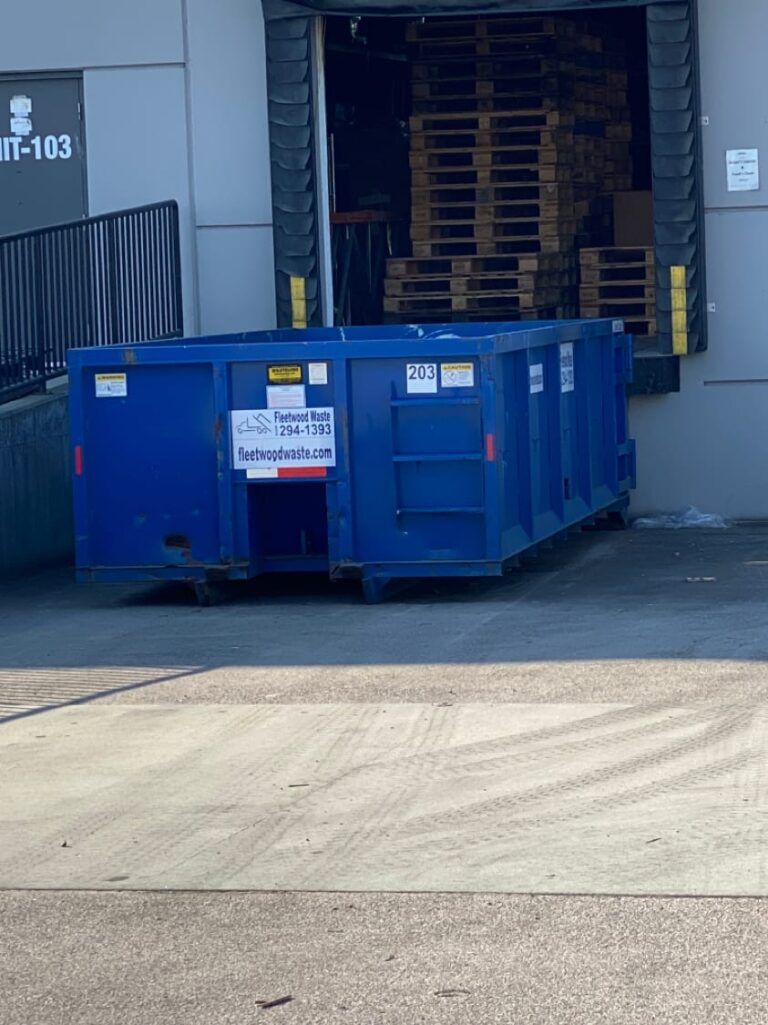
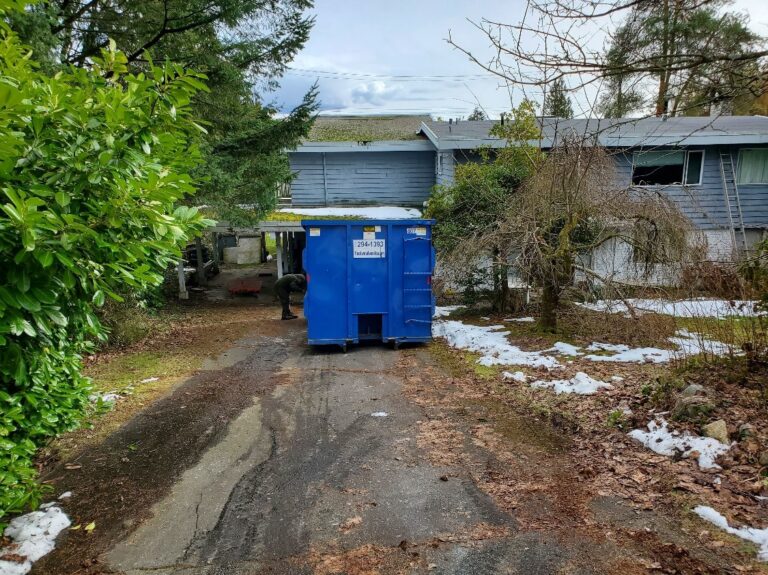
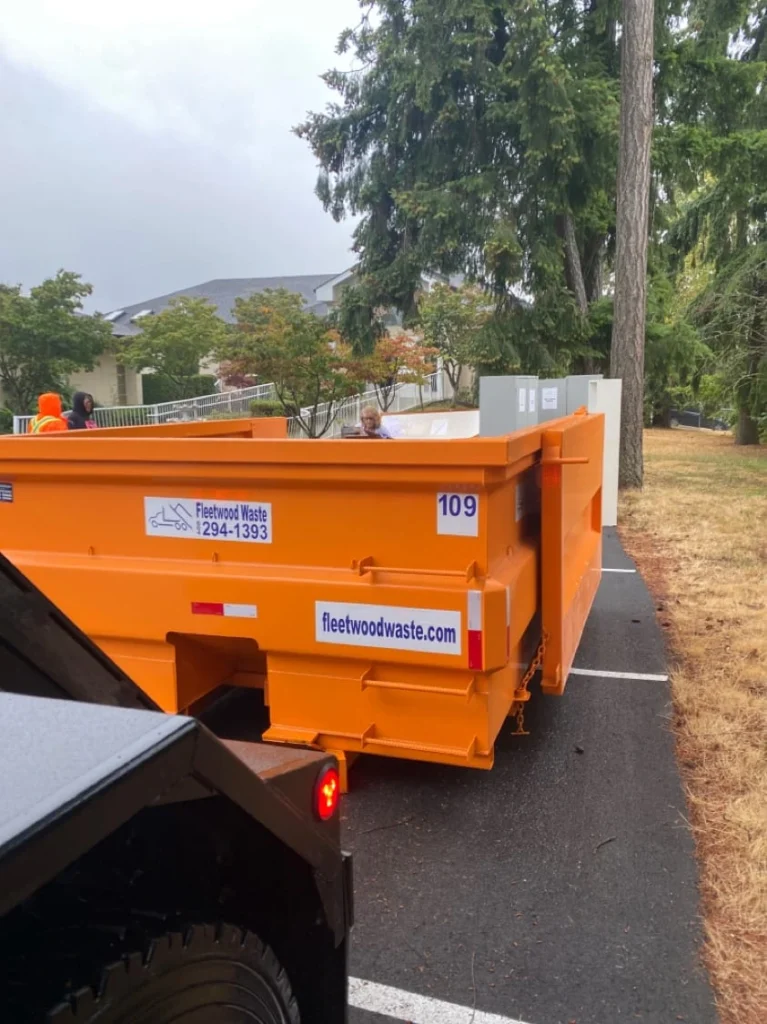
If you are renovating or building, a construction bin rental in Vancouver or Surrey is designed to handle heavier materials such as:
-
Concrete
-
Bricks and tiles
-
Roofing materials
-
Metal scraps
-
Non-hazardous drywall
Always confirm weight limits, especially for concrete-heavy loads.
3. Hazardous Waste (Special Disposal Required)
These materials are not allowed in dumpsters:
-
Paints and solvents
-
Batteries
-
Asbestos
-
Pesticides
-
Fluorescent bulbs
Hazardous waste must be taken to licensed disposal or recycling facilities in BC.
Choosing the Right Bin Rental in British Columbia
Selecting the correct bin size helps control costs and avoids overfilling issues.
Common Bin Sizes
10-Yard Bin
-
Best for small home cleanups or yard waste
-
Holds about 3 pickup truck loads
20-Yard Bin
-
Ideal for small renovations or medium cleanups
-
Holds about 6 pickup truck loads
30–40-Yard Bins
-
Best for large construction or demolition projects
-
Suitable for heavy materials like drywall, bricks, and concrete
If you are unsure, a local waste disposal expert in Vancouver or Surrey can help you choose the right size.
Key Waste Disposal Regulations in BC
British Columbia enforces waste rules at both provincial and municipal levels.
1. Waste Sorting Rules
-
Many cities require separation of recyclables, compost, and garbage
-
Improper sorting can lead to extra charges
2. Recycling Requirements
-
Construction materials like wood, metal, and concrete often must be separated
-
Electronics and appliances must go to approved recycling centres
3. Landfill Restrictions
-
Keep hazardous waste, chemicals, batteries, appliances and electronics out of Fleetwood bins. Tires require advance review and a surcharge.
-
Special handling is required for these items
4. Permit Requirements
-
Some large projects require permits for bin placement or disposal
-
Always check local bylaws before renting a bin
Eco-Friendly Waste Disposal Tips
Responsible waste disposal helps both your project and the environment.
-
Recycle materials whenever possible
-
Donate reusable furniture or building materials
-
Choose a licensed waste disposal company that follows BC regulations
-
Rent the correct bin size to avoid overflow and extra fees
Where to Rent a Construction Dumpster in BC
When choosing a bin rental in Vancouver or bin rental in Surrey, look for:
-
Compliance with BC waste regulations
-
Clear guidelines on allowed and restricted items
-
Recycling and diversion options
-
Transparent pricing and rental terms
-
Positive customer reviews
Frequently Asked Questions
1. What can I put in a construction dumpster in BC?
Non-hazardous waste like wood, drywall, concrete, metal, and renovation debris is allowed. Hazardous items are not.
2. What items are not allowed in bin rentals in Vancouver or Surrey?
Keep hazardous waste, chemicals, batteries, appliances and electronics out of Fleetwood bins. Tires require advance review and a surcharge.
3. Do I need a permit for a construction dumpster in BC?
Yes, if the bin is placed on public property such as a street or sidewalk.
4. How do I choose the right bin size in British Columbia?
10-yard for small cleanups, 20-yard for renovations, 30–40 yard for large construction jobs.
5. Can mixed waste go into one bin rental in BC?
Sometimes yes, but recyclables may need to be separated based on local city rules.
Final Thoughts
Understanding waste disposal regulations in British Columbia helps you avoid fines, reduce environmental impact, and keep your project running smoothly. Whether you need a construction dumpster in Vancouver, a construction bin rental in Surrey, or a short-term bin rental in BC, following the rules ensures safe and responsible waste management.
Need a Dumpster Rental? Get Started Today!
Confirm your Fleetwood rental
Rock boxes used for dirt or concrete include three days. Mixed-waste bins include five days. Contact Fleetwood before the agreed pickup if you need an extension, and confirm the additional-day charge and revised collection date in your written quote.
Pricing depends on your delivery city, bin, material and load. Confirm the included weight, loading limits and any applicable charges before booking. Drywall requires a separate drywall-only bin; concrete and dirt require a suitable separate container.