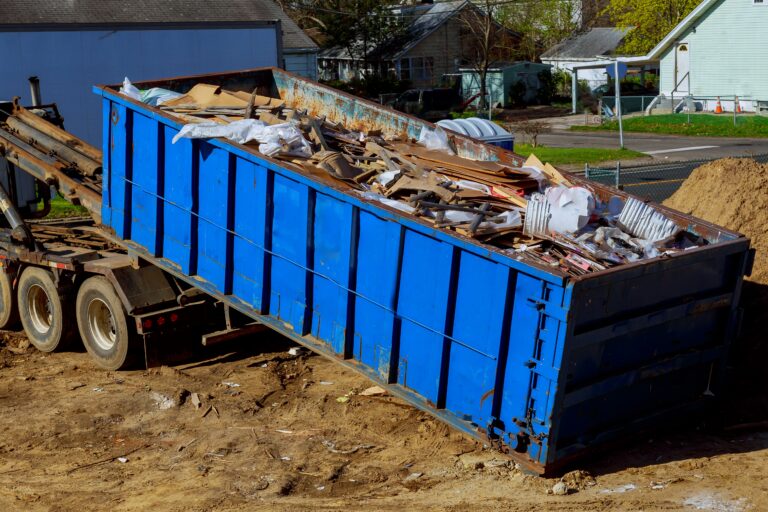
Construction projects create a lot of waste. From broken bricks and wood scraps to concrete chunks and metal pieces, all of this waste needs to go somewhere. But if it’s not handled correctly, it can harm the environment.
Proper construction waste disposal helps reduce pollution, saves natural resources, and keeps our communities clean. In this blog, we’ll explain why managing construction waste properly is so important, how it benefits the environment, and what you can do to dispose of waste responsibly.
What is Construction Waste?
Construction waste includes materials left over from building, renovation, and demolition projects. Some common types of waste are:
- Concrete, bricks, and asphalt – Leftovers from foundations, roads, and buildings.
- Wood and drywall – Scraps from framing, walls, and ceilings.
- Metals – Copper, steel, and aluminum from pipes, wires, and beams.
- Plastics – Leftover pipes, packaging, and insulation materials.
- Glass – Broken windows and doors.
- Hazardous waste – Paint, adhesives, and chemicals that can harm the environment.
Without proper disposal, these materials can pile up in landfills, pollute water sources, and release harmful chemicals into the air.
How Construction Waste Affects the Environment
1. Pollution of Land and Water
When construction waste is dumped in landfills or illegally on land, it can leak harmful chemicals. Rainwater washes these chemicals into the soil and water, polluting lakes, rivers, and drinking water sources.
2. Air Pollution and Climate Change
Burning waste materials like wood, plastic, and drywall releases toxic gases into the air. These gases contribute to air pollution and global warming. Dust from construction sites also reduces air quality and can cause respiratory problems in people and animals.
3. Depletion of Natural Resources
Many construction materials come from natural resources. Trees are cut down for wood, sand is used to make concrete, and metals are mined from the earth. When materials are wasted instead of recycled, we need to extract more raw materials, which harms the environment.
4. Harm to Wildlife
Improper disposal of construction waste can threaten wildlife. Animals may swallow plastic or metal pieces, leading to injury or death. Chemicals from hazardous waste can poison plants and animals, disrupting ecosystems.
The Benefits of Proper Construction Waste Disposal
1. Reduces Landfill Waste
Recycling and reusing materials keeps construction waste out of landfills. This helps reduce the space needed for landfills and prevents land pollution.
2. Saves Energy and Resources
When materials like concrete, wood, and metal are recycled, less energy is needed to create new materials. This reduces the demand for natural resources and helps conserve energy.
3. Lowers Costs for Builders and Contractors
Proper waste management can save businesses money. Recycling materials can reduce disposal costs, and some companies even sell leftover materials instead of throwing them away.
4. Protects Public Health
Cleaner construction sites mean better air quality and a safer environment for workers and nearby residents. Proper waste disposal prevents harmful chemicals from spreading into the air and water.
How to Dispose of Construction Waste Responsibly
1. Rent a Dumpster for Construction Waste
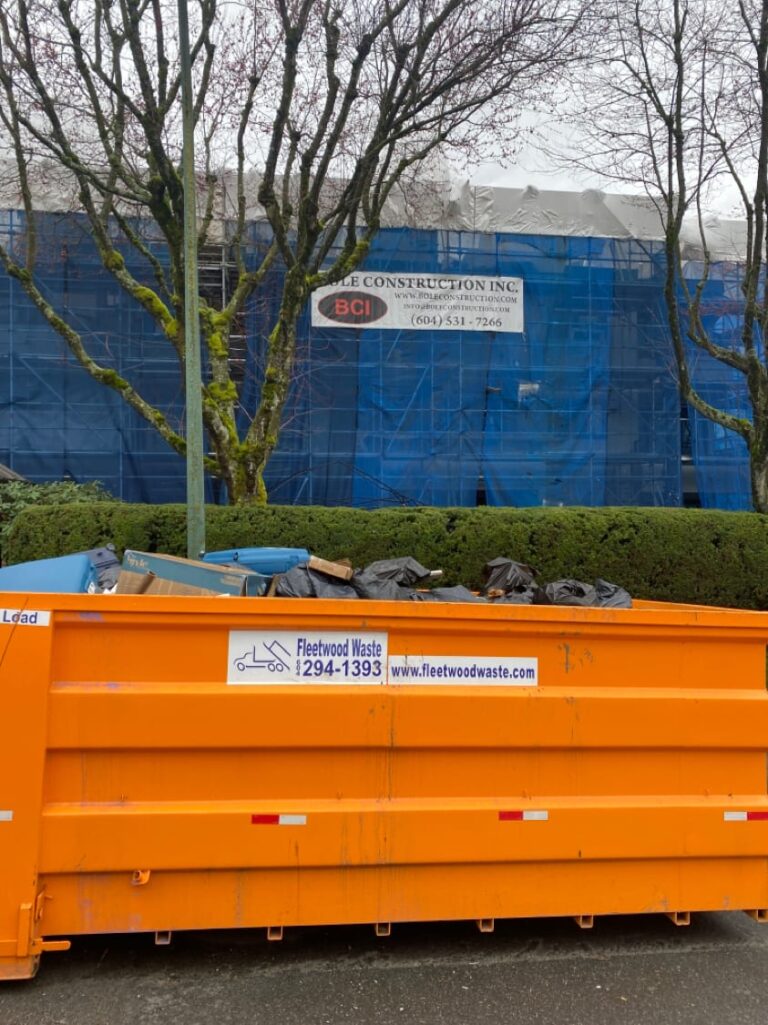
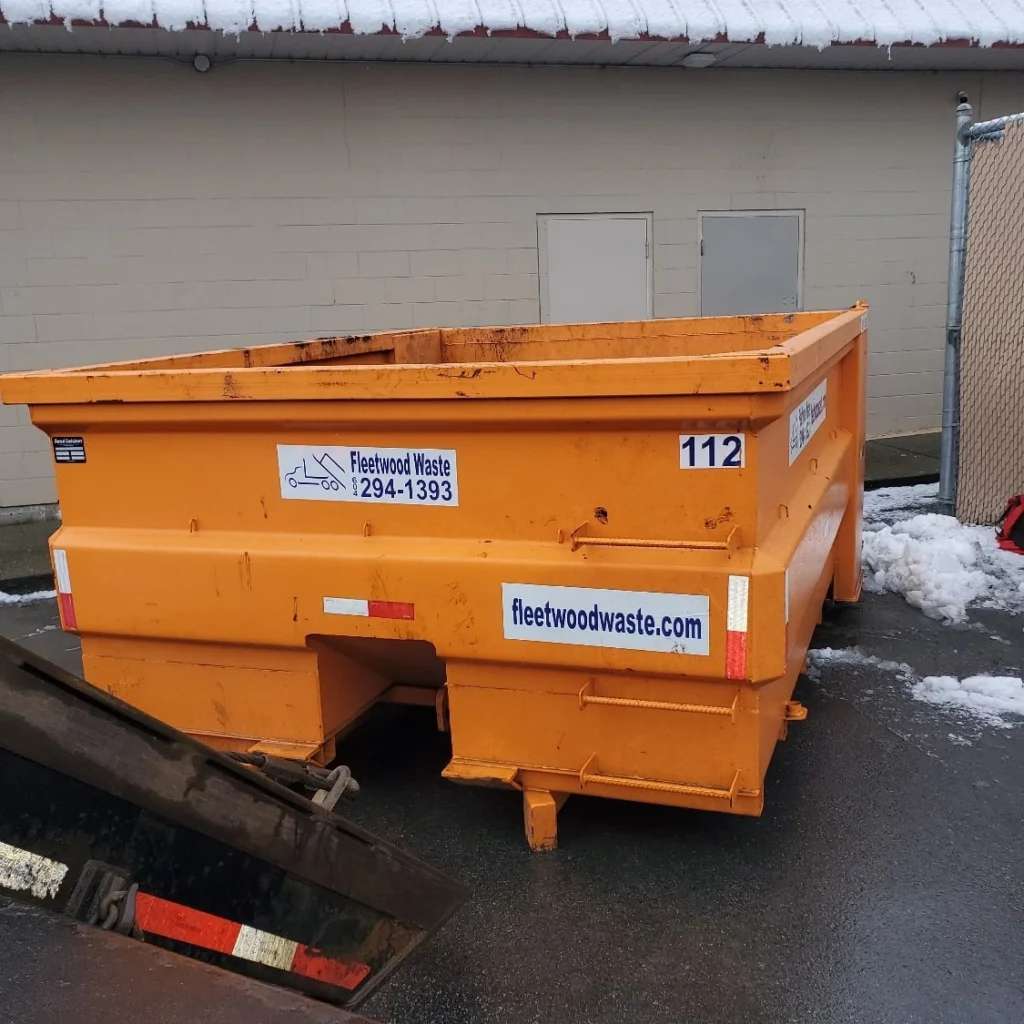
Renting a dumpster makes waste disposal easier and keeps the construction site clean. Choose a construction waste dumpster rental service that sorts and recycles materials whenever possible.
2. Recycle Materials
Many construction materials can be recycled, including:
- Concrete and bricks – Crushed and reused for new roads or buildings.
- Wood – Turned into mulch or used for new construction projects.
- Metal – Melted down and repurposed for new structures.
- Glass – Recycled into new windows or glass products.
3. Donate Usable Materials
If you have leftover materials in good condition, donate them to organizations that build homes for people in need. Many charities accept doors, windows, flooring, and lumber.
4. Dispose of Hazardous Waste Safely
Paints, adhesives, and chemicals should never be thrown into regular trash. Take them to a hazardous waste disposal centre where they can be handled safely.
5. Hire a Professional Waste Management Service
A professional service can sort, recycle, and properly dispose of construction waste. They have the expertise and equipment to handle different types of waste in an eco-friendly way.
How to Make Your Construction Project Eco-Friendly
If you want to make your construction project more environmentally friendly, follow these simple tips:
- Plan Ahead – Estimate the materials you need so you don’t over-purchase.
- Use Sustainable Materials – Choose recycled or eco-friendly materials whenever possible.
- Implement Waste Reduction Strategies – Use materials efficiently to avoid excess waste.
- Train Workers on Proper Waste Disposal – Ensure your team knows how to separate recyclables and dispose of waste correctly.
Final Thoughts
Proper construction waste disposal is essential for protecting the environment, conserving resources, and keeping communities clean. Whether you’re a homeowner, contractor, or builder, taking responsibility for waste management helps create a healthier and more sustainable future.
Need a construction waste dumpster rental? We provide affordable, eco-friendly bin rentals for all types of projects. Contact us now to get a quote and keep your site clean while protecting the environment!
Confirm your Fleetwood rental
Rock boxes used for dirt or concrete include three days. Mixed-waste bins include five days. Contact Fleetwood before the agreed pickup if you need an extension, and confirm the additional-day charge and revised collection date in your written quote.
Pricing depends on your delivery city, bin, material and load. Confirm the included weight, loading limits and any applicable charges before booking. Drywall requires a separate drywall-only bin; concrete and dirt require a suitable separate container.