Whether you are handling a home renovation, working on a construction site, or cleaning out your garage, knowing how to manage waste correctly is important. Proper waste disposal keeps our environment safe, reduces pollution, and makes cleanup easier. Below is a simple guide to the main types of waste and the best ways to dispose of each one.
Types of Waste
1. Household Waste
What is it?
Household waste includes everyday items such as food scraps, plastic, bottles, paper, packaging, and old clothes.
How to dispose of it?
You can put most household waste in your regular trash bin. Items such as plastic, paper, and glass should be recycled if your city offers recycling services. Always check your local recycling rules to know what is accepted.
2. Construction Waste
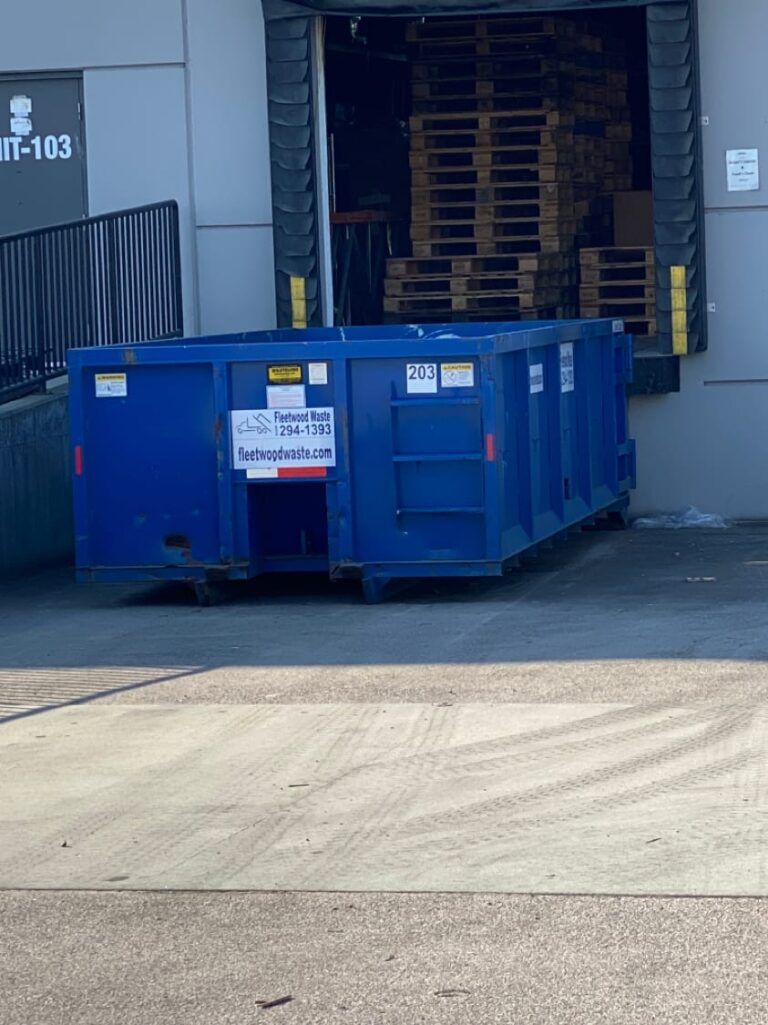
Fleetwood mixed-waste bins can take approved wood, cabinets, flooring, furniture and suitable renovation debris. Keep drywall in a separate drywall-only bin and use an appropriate rock box for approved dirt or concrete. Hazardous waste, chemicals, batteries, appliances, electronics and food waste must stay out of mixed-waste bins.
How to dispose of it?
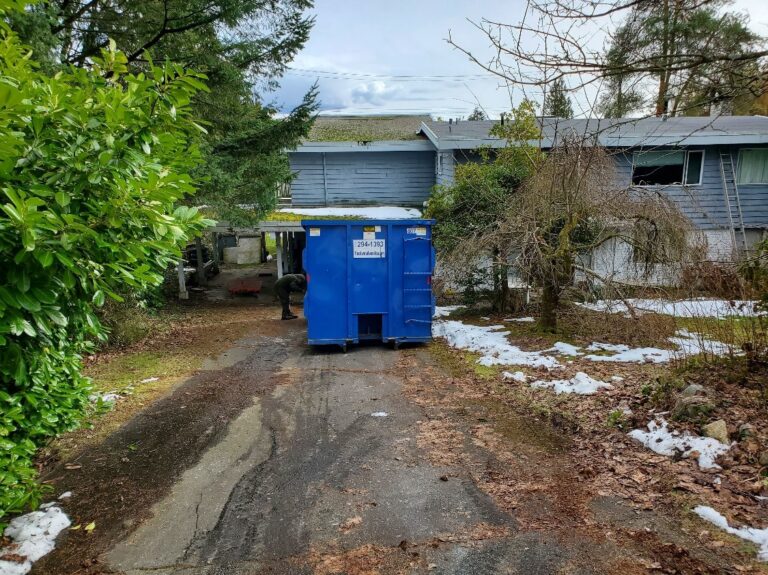
Construction waste cannot go into normal household bins. Renting a construction dumpster in Vancouver or construction dumpster in Surrey is the most efficient option. A rental company will drop off a large bin at your site, and once it is full, they will pick it up and dispose of the waste safely. Bin rental companies in Vancouver and Surrey make cleanup much easier and help you stay compliant with local waste rules.
3. Hazardous Waste
What is it?
Hazardous waste includes paint, chemicals, motor oil, pesticides, batteries, and cleaners. These items can harm people, soil, air, and water.
How to dispose of it?
Never throw hazardous items into regular trash. Take them to your city’s hazardous waste collection centre or a special drop-off event.
4. Green Waste
What is it?
Green waste includes grass clippings, leaves, branches, garden trimmings, and small plants.
How to dispose of it?
You can compost green waste at home or take it to a composting or green waste facility. Many cities offer green waste bins or collection days.
5. Electronic Waste (E-Waste)
What is it?
E-waste includes old computers, TVs, printers, phones, and other electronic devices. These items often contain harmful materials such as lead and mercury.
How to dispose of it?
E-waste must never be thrown into regular trash. Take it to an approved e-waste recycling centre or drop-off event where items are safely dismantled and recycled.
Best Disposal Methods
Dumpster Rental
What is it?
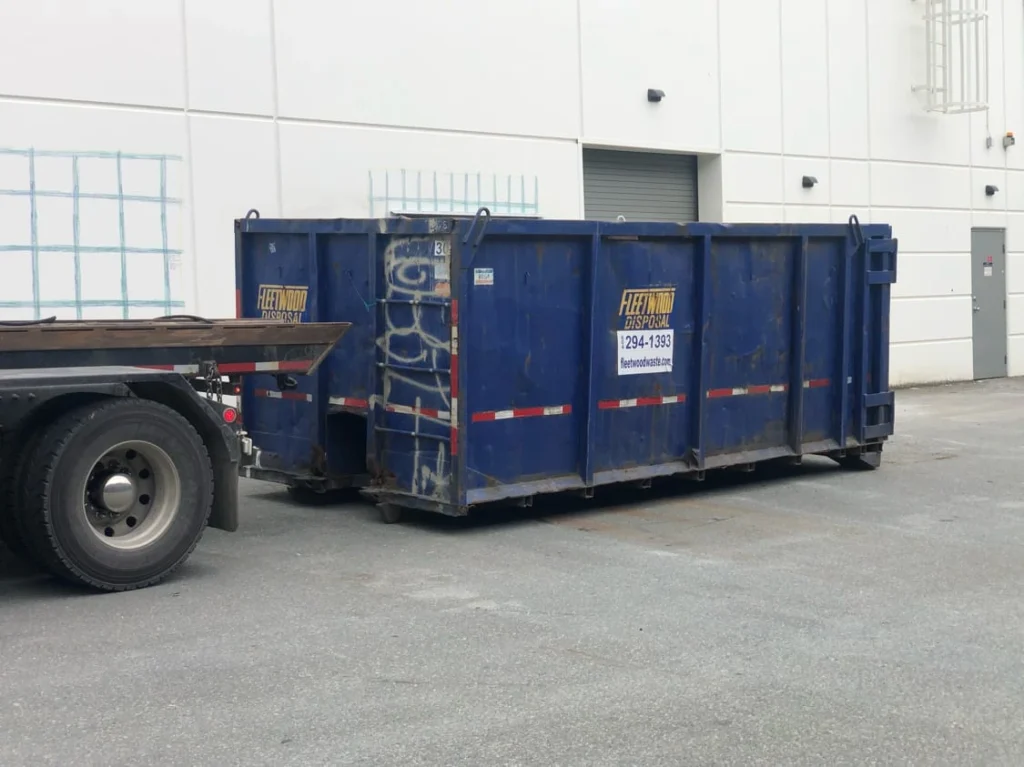
A dumpster rental is ideal for large projects, such as home renovations or construction jobs. Companies offering construction bin rental in Surrey or construction bin rental in Vancouver provide heavy-duty bins for large or bulky waste.
How it works:
-
The company delivers a dumpster to your site.
-
You fill it with waste.
-
They pick it up and handle the disposal.
This method is best for construction debris, large yard cleanups, or full-home cleanouts.
Disposal Bin Rental
What is it?
Disposal bins are similar to dumpsters but usually smaller and designed for lighter waste loads.
When to use it?
Choose a disposal bin for:
-
Small renovation projects
-
Household cleanups
-
Green waste removal
-
Organizing clutter
It keeps waste in one place and prevents mess around your property.
Recycling
What is it?
Recycling helps reduce landfill waste by turning glass, metal, plastic, and paper into reusable materials.
How to do it?
Check your local recycling guidelines. Many areas offer curbside pickup, while others have designated drop-off locations.
Specialized Waste Disposal
What is it?
Some waste types—like hazardous waste, medical waste, and electronics—require special handling because they contain chemicals or materials that can harm the environment.
How to do it?
Find a certified collection centre or attend a scheduled disposal event. Never mix specialized waste with regular trash or recycling.
Frequently Asked Questions
1. What are the main types of waste?
The main types are household waste, construction waste, hazardous waste, green waste, and electronic waste. Each type needs a specific disposal method.
2. When should I rent a dumpster or bin?
Rent a dumpster or bin when you have large amounts of waste from renovations, construction, yard work, or big cleanouts.
3. What is the difference between a dumpster and a disposal bin?
Dumpsters are larger and handle heavy debris. Disposal bins are smaller and best for light household or green waste.
4. How do I dispose of hazardous waste safely?
Take items like paint, batteries, and chemicals to a certified hazardous waste centre. Do not put them in regular trash.
5. Why is proper waste disposal important?
Proper disposal prevents pollution, protects health, and keeps homes and job sites clean and safe.
Why Proper Waste Disposal Matters
Correct waste disposal does more than keep your space clean. It:
-
Protects wildlife and natural habitats
-
Prevents soil and water pollution
-
Reduces fire and health risks
-
Helps communities stay clean and safe
-
Supports recycling and sustainability goals
Using services like garbage bin rental, dumpster rental, or bin rental in Vancouver or Surrey ensures that your waste is handled responsibly and according to local environmental standards.
If you are planning a home cleanout, renovation, or construction project, renting a disposal bin or dumpster can save time, reduce stress, and keep your site organized.
Request a free quote or call us today!
Planning tire disposal
View city pricing or request a written quote for your bin, material and delivery address.
Separating metal for recycling
Identify the metal items and separate them from other waste where practical. Confirm acceptance for appliances, mixed metal items or anything containing fluids before loading. Ask whether a dedicated metal recycling arrangement suits your project; see Fleetwood’s scrap metal recycling service and include the material details in your quote request.
Confirm your Fleetwood rental
Rock boxes used for dirt or concrete include three days. Mixed-waste bins include five days. Contact Fleetwood before the agreed pickup if you need an extension, and confirm the additional-day charge and revised collection date in your written quote.
Pricing depends on your delivery city, bin, material and load. Confirm the included weight, loading limits and any applicable charges before booking. Drywall requires a separate drywall-only bin; concrete and dirt require a suitable separate container.