Whether you are cleaning out your garage, renovating your home, or working on a construction site, disposal bin rental is an easy way to manage waste. But choosing the right bin size is important.
A bin that is too small may require extra pickups, while a bin that is too large can lead to unnecessary costs.
This guide explains how to choose the right disposal bin size for any project in Canada.
1. Understand the Different Disposal Bin Sizes
Disposal bins are measured in cubic yards. Each size is suitable for different types of projects.
10-Yard Bin
Holds: About 3 pickup truck loads
Best for:
-
Small home cleanouts (garage, basement)
-
Yard waste and small landscaping projects
20-Yard Bin
Holds: About 6 pickup truck loads
Best for:
-
Medium home renovations (kitchen, bathroom)
-
Roofing projects
30-Yard Bin
Holds: About 9 pickup truck loads
Best for:
-
Large renovations
-
Multi-room cleanouts
-
Small construction projects
40-Yard Bin
Holds: About 12 pickup truck loads
Best for:
-
Major construction
-
Demolitions
-
Full house cleanouts
2. Match the Bin Size to Your Project
Every project produces a different amount of waste. Here is a quick guide:
Small Projects
Garage cleanouts, basement cleanouts
→ Choose a 10-yard bin
Medium Projects
Bathroom or kitchen renovation
→ Choose a 20-yard bin
Large Projects
Multiple rooms, large cleanouts, small construction
→ Choose a 30-yard bin
Major Projects
New builds, demolitions, full home cleanouts
→ Choose a 40-yard bin
3. Consider the Type of Waste
The type of debris you are removing affects which bin is safest and most cost-effective.
Heavy Waste
Concrete, soil, rocks, bricks
→ Use a 10-yard or 20-yard bin
Larger bins become too heavy and can exceed legal road weight limits.
Mixed Household Waste
Furniture, appliances, general junk
→ Use a 20-yard or 30-yard bin depending on volume.
Green Waste
Branches, grass, shrubs
→ Use a 10-yard or 20-yard bin unless it is a large landscaping project.
4. Think About Space and Access
Choosing a bin size is not just about the waste. You must also make sure the bin can be delivered safely.
a) Measure Your Available Space
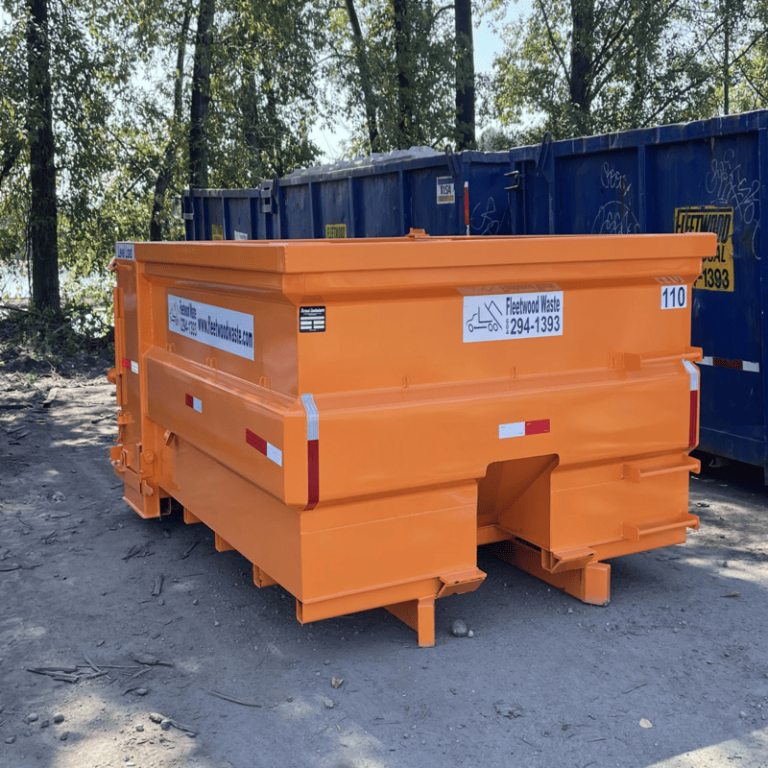
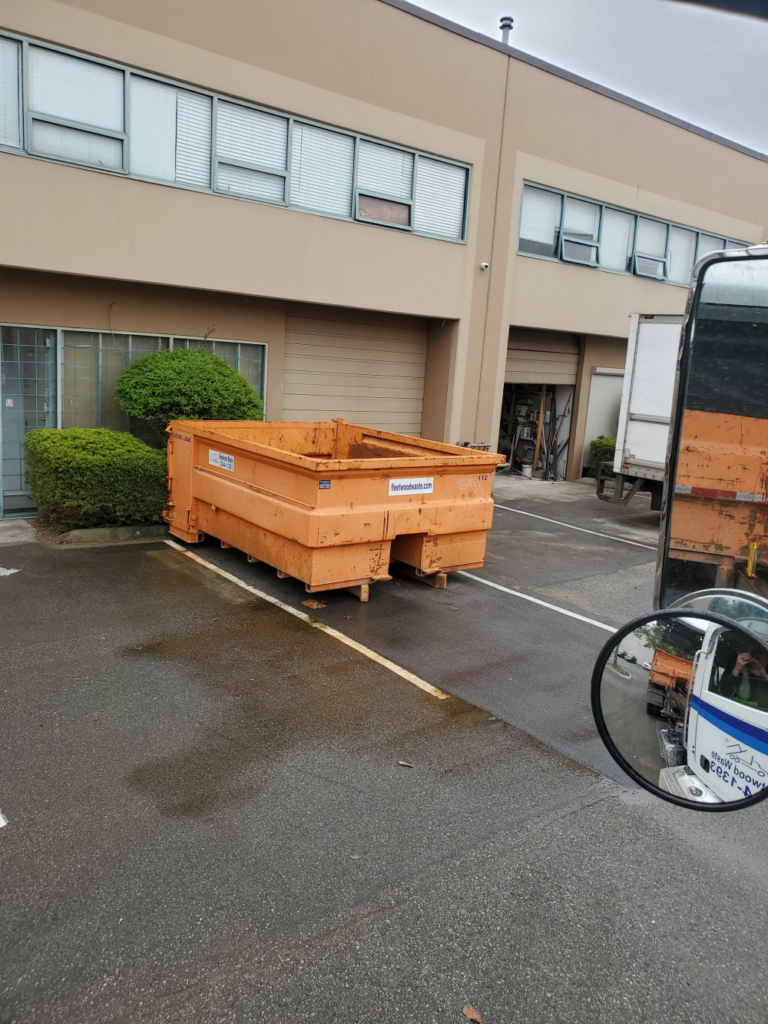
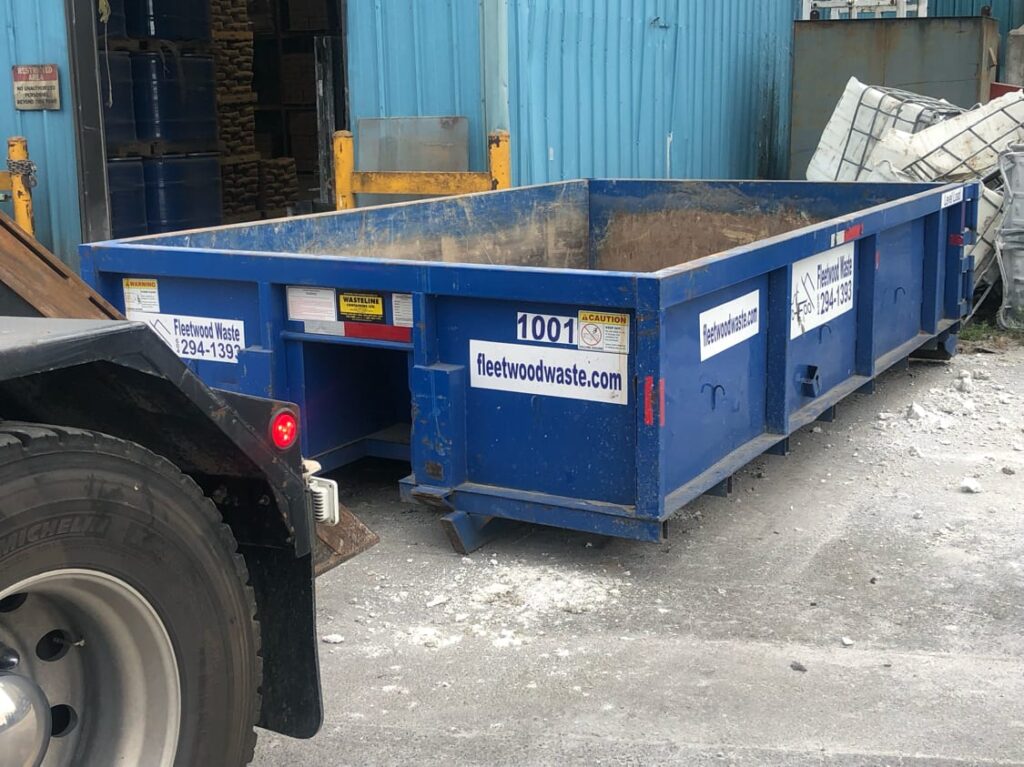
Fleetwood’s 20-yard mixed-waste dumpster is approximately 18 x 8.5 x 4 feet. Confirm container placement and truck clearance before delivery.
b) Place the Bin on a Solid Surface
Concrete or pavement is ideal.
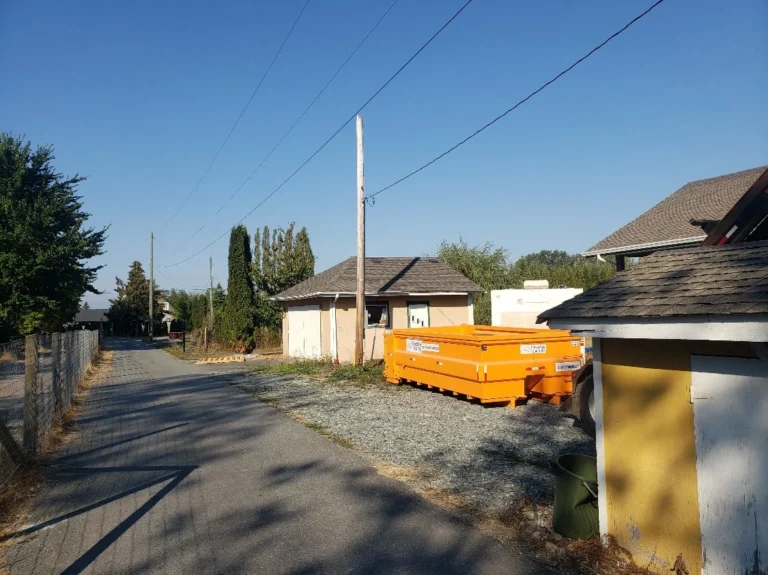
If placing the bin on dirt or gravel, use plywood to prevent sinking or damage.
c) Check Local Regulations
Many cities in Canada require a permit if the bin is placed on public property, such as:
-
Sidewalks
-
Roads
-
Boulevards
Confirm requirements with your city or ask your rental provider.
d) Make Sure Delivery Is Possible
Clear obstacles such as:
-
Low tree branches
-
Parked vehicles
-
Narrow gates
The truck needs space to tilt and drop the bin.
e) Plan for Pickup
Keep the area clear for removal. If the truck cannot access the bin, the pickup may be delayed.
5. Avoid Overfilling the Bin
All disposal bins have a fill line at the top edge. Overloading the bin can cause:
-
Additional fees
-
Safety hazards
-
Refusal of pickup
If you think your waste will exceed capacity, choose a larger bin or order a second one.
Frequently Asked Questions
1. What size bin do I need for a home renovation?
A 20-yard bin is ideal for most home renovations such as kitchens and bathrooms. It can hold old cabinets, tiles, flooring, drywall, and other debris.
2. Can I use a large bin for heavy materials like concrete?
No. Heavy waste should go into a 10-yard or 20-yard bin. Larger bins can exceed legal weight limits when filled with dense materials.
3. Do I need a permit to place a disposal bin on the street?
Many Canadian cities require a temporary permit for bins placed on roads or sidewalks. Always confirm with your city or rental company.
4. What happens if the bin is filled past the top edge?
Overfilling can lead to extra charges or unsafe transport conditions. The rental company may refuse pickup until waste is removed.
5. How do I choose between a 30-yard and 40-yard bin?
Use a 30-yard bin for large renovations or small construction jobs.
Choose a 40-yard bin for demolitions, new builds, or full house cleanouts.
Final Thoughts
Choosing the right disposal bin size does not have to be complicated.
To make the right decision:
-
Understand the bin sizes
-
Match the bin to your project
-
Consider the type of waste
-
Review your space and access
-
Avoid overloading
If you are still unsure, speak with your local bin rental company. They can guide you based on your project details.
Confirm your Fleetwood rental
Rock boxes used for dirt or concrete include three days. Mixed-waste bins include five days. Contact Fleetwood before the agreed pickup if you need an extension, and confirm the additional-day charge and revised collection date in your written quote.
Pricing depends on your delivery city, bin, material and load. Confirm the included weight, loading limits and any applicable charges before booking. Drywall requires a separate drywall-only bin; concrete and dirt require a suitable separate container.