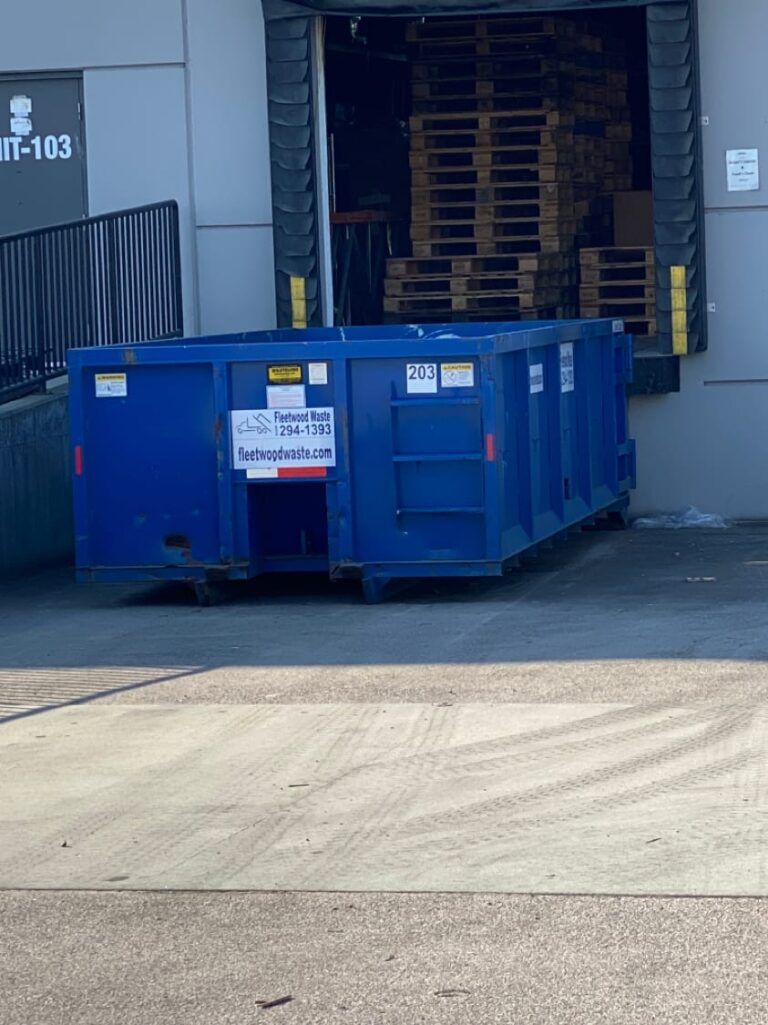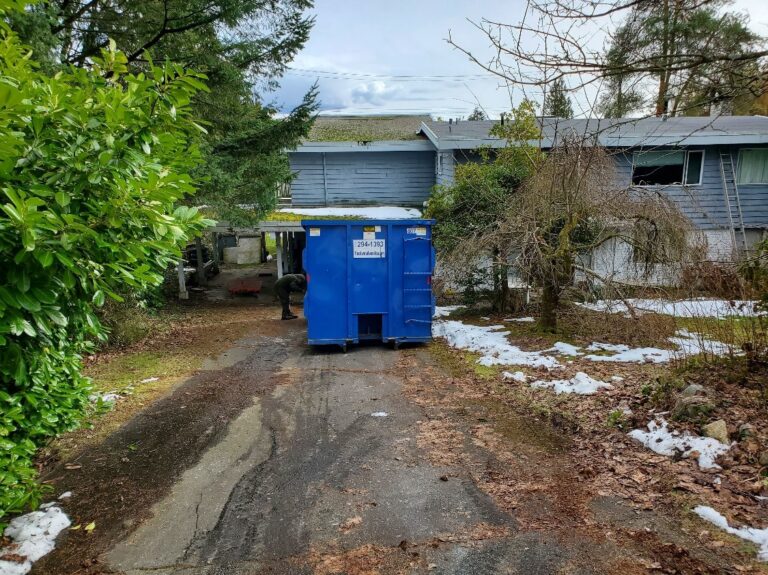
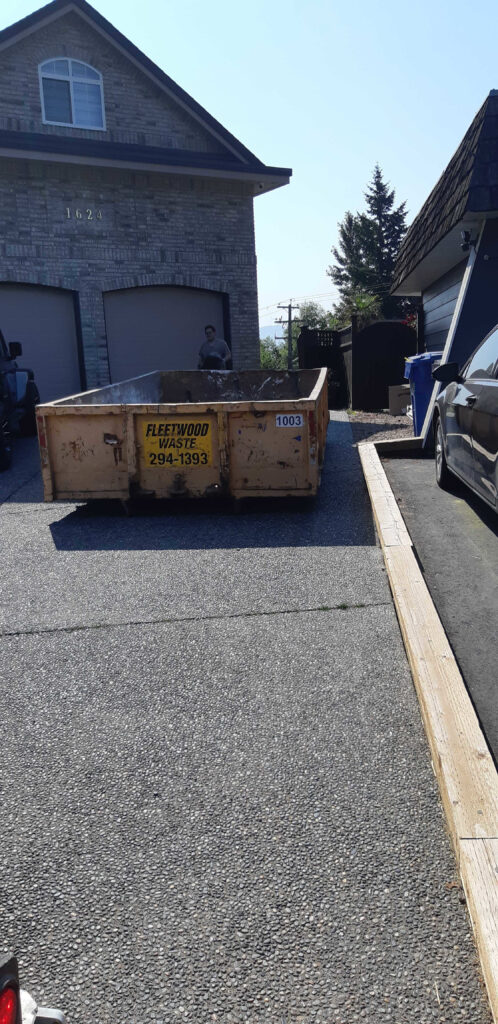
Dumpster rentals are a convenient solution for managing waste during home renovations, construction projects, or large cleanouts. But not everything can go into a dumpster. Knowing what is allowed and what isn’t will help you avoid extra fees, keep workers safe, and stay compliant with local regulations.
Fleetwood Waste Systems Ltd provides clear guidelines on what materials you can and cannot throw away in their dumpsters.
What Can Be Disposed of in a Dumpster?
Fleetwood Waste dumpsters can handle a wide range of items, making them versatile for different projects.
General Household Waste
-
Furniture: Sofas, chairs, tables, mattresses.
-
Keep hazardous waste, chemicals, batteries, appliances and electronics out of Fleetwood bins. Tires require advance review and a surcharge.
-
Appliances and electronics — keep out of Fleetwood rental bins; discuss an appropriate separate arrangement.
-
Clothing: Old clothes, shoes, and accessories.
Construction and Renovation Debris
-
Wood: Lumber, plywood, and other wood products.
-
Drywall: Sheetrock and gypsum board.
-
Concrete & Masonry: Concrete, bricks, and stones.
-
Metals: Steel, copper, aluminum.
-
Roofing Materials: Shingles, tiles, underlayment.
Yard Waste
-
Vegetation: Grass clippings, leaves, branches.
-
Soil & Dirt: Small amounts from landscaping.
-
Landscaping Debris: Bushes, stumps, garden trimmings.
Miscellaneous Junk
- Toys: Plastic and metal toys.
-
Books & Papers: Books, magazines, documents.
-
Non-Hazardous Debris: Items from decluttering projects.
What Cannot Be Disposed of in a Dumpster?
Certain items are not allowed due to environmental, safety, and regulatory reasons.
Hazardous Materials
-
Chemicals: Pesticides, herbicides, solvents.
-
Paint: Oil-based paints, stains, varnishes.
-
Asbestos: Tiles, insulation, other asbestos products.
-
Batteries: Car batteries, lithium-ion, rechargeable.
-
Flammable Items: Gasoline, propane tanks, kerosene.
Electronics & Large Appliances
-
Refrigerators, freezers, air conditioners with refrigerants.
-
Large e-waste items like TVs and monitors.
Medical Waste
-
Pharmaceuticals and expired medications.
-
Sharps: Needles, syringes, lancets.
-
Biohazard waste: Contaminated bandages, gloves.
Tires & Auto Parts
-
Tires from cars, trucks, or bikes.
-
Car parts: Engines, transmissions, and similar components.
Household Hazardous Waste
-
Cleaning products: Bleach, ammonia.
-
Mercury items: Thermometers, thermostats, fluorescent bulbs.
-
Pesticides and herbicides.
Why These Restrictions Exist
-
Environmental Protection: Prevents soil and water contamination.
-
Safety: Avoids risks of fire, explosions, or exposure to harmful waste.
-
Regulatory Compliance: Meets local and federal disposal laws.
Proper Disposal Alternatives
If an item cannot go into a dumpster, here are safe alternatives:
-
Recycling Centres: Electronics, metals, plastics.
-
Hazardous Waste Facilities: Paint, chemicals, batteries.
-
Donation Centres: Usable furniture, clothes, electronics.
-
Automotive Shops: Tires and car parts.
Frequently Asked Questions
Q1. What items are usually allowed in a dumpster rental?
Fleetwood mixed-waste bins accept suitable wood, furniture, flooring, asphalt shingles and renovation debris. Drywall requires a separate drywall-only bin; concrete, dirt and other heavy materials require a suitable separate container. Appliances, electronics, propane tanks, chemicals, hazardous waste and food waste are not permitted in mixed-waste bins. Review our materials policy before loading.
Q2. Why are hazardous materials not allowed in dumpsters?
Hazardous materials like chemicals, paints, and propane tanks are banned because they can cause fires, contaminate soil and water, or pose serious health risks. These items require special handling at hazardous waste facilities.
Q3. Can I throw electronics and appliances in a dumpster?
Fleetwood mixed-waste bins accept suitable wood, furniture, flooring, asphalt shingles and renovation debris. Drywall requires a separate drywall-only bin; concrete, dirt and other heavy materials require a suitable separate container. Appliances, electronics, propane tanks, chemicals, hazardous waste and food waste are not permitted in mixed-waste bins. Review our materials policy before loading.
Q4. What should I do with items that cannot go into a dumpster?
You can take hazardous waste to designated disposal facilities, recycle e-waste at local centres, donate usable items to charities, or recycle tires and car parts at auto shops. Many cities also host special collection events.
Q5. How can I avoid extra fees when renting a dumpster?
Stick to the list of allowed items, avoid overfilling the dumpster, and follow weight limits. Always confirm with your rental provider if you’re unsure about a specific item to prevent penalties or extra charges.
Contact Fleetwood Waste Systems Ltd
For guidance on what can and cannot be disposed of, or to schedule a dumpster rental, Contact Fleetwood Waste Systems Ltd or Call us at (604) 294-1393. Their team will ensure your disposal process is smooth, safe, and compliant.
Confirm your Fleetwood rental
Rock boxes used for dirt or concrete include three days. Mixed-waste bins include five days. Contact Fleetwood before the agreed pickup if you need an extension, and confirm the additional-day charge and revised collection date in your written quote.
Pricing depends on your delivery city, bin, material and load. Confirm the included weight, loading limits and any applicable charges before booking. Drywall requires a separate drywall-only bin; concrete and dirt require a suitable separate container.