Whether you’re tackling a home renovation, construction project, or a big cleanup, picking the right dumpster size is essential. The right dumpster helps you manage waste efficiently, avoid extra costs, and prevent delays. In this guide, we’ll explain different dumpster sizes, factors to consider, and tips to choose the perfect dumpster for your project.
Understanding Dumpster Sizes
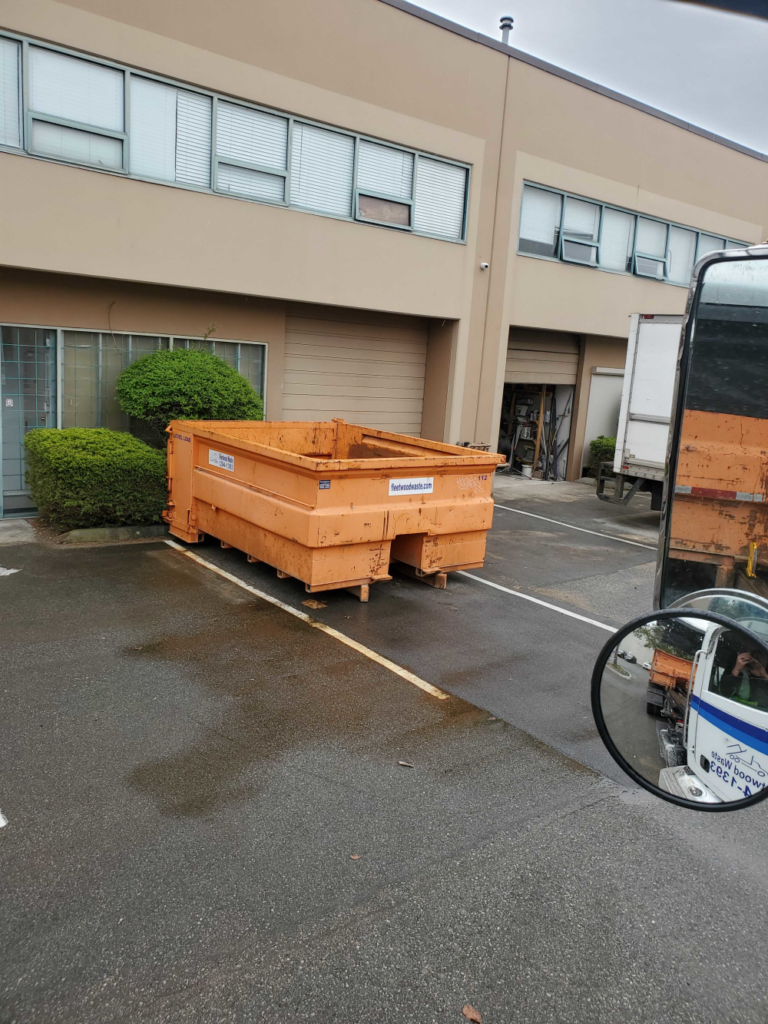
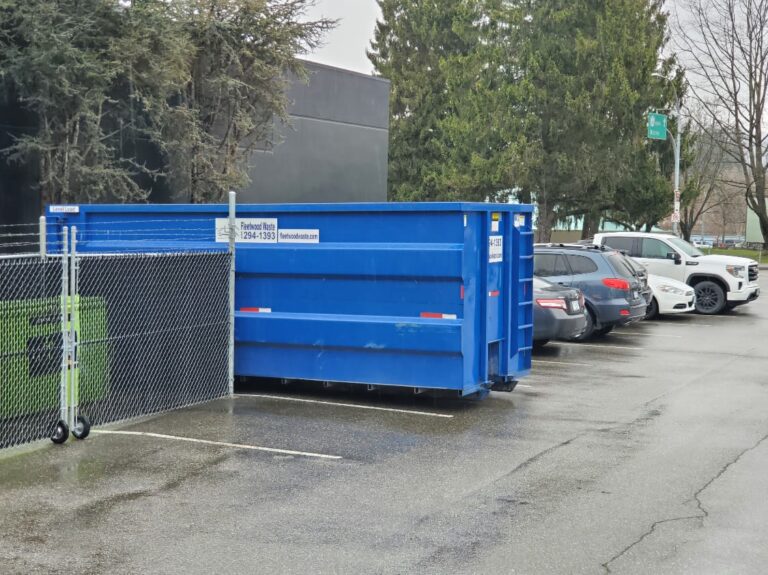
Dumpsters are measured in cubic yards, showing how much waste they can hold. Choosing the right size avoids overfilling and frequent pickups.
-
10-Yard Dumpster: Small cleanouts, minor renovations, or landscaping projects.
-
20-Yard Dumpster: Medium projects like kitchen or basement renovations.
-
30-Yard Dumpster: Large projects such as full-house cleanouts or moderate construction.
-
40-Yard Dumpster: Best for major construction or commercial cleanup.
Tip: Always slightly overestimate the size to prevent running out of space.
Factors to Consider When Choosing a Dumpster
-
Project Type: Waste type differs for renovations, construction, or yard cleanups. Knowing your project type helps choose the right dumpster.
-
Estimated Waste Volume: Calculate roughly how much debris you’ll produce. Include all materials like wood, drywall, concrete, or metal.
-
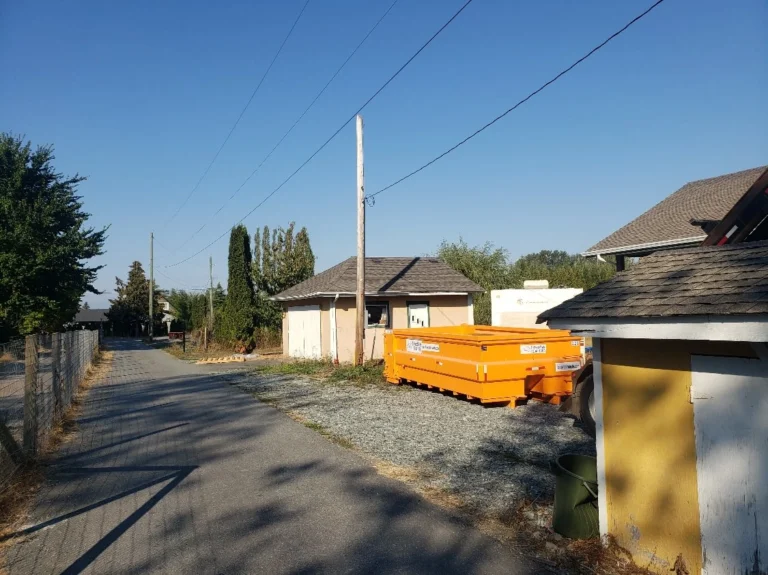
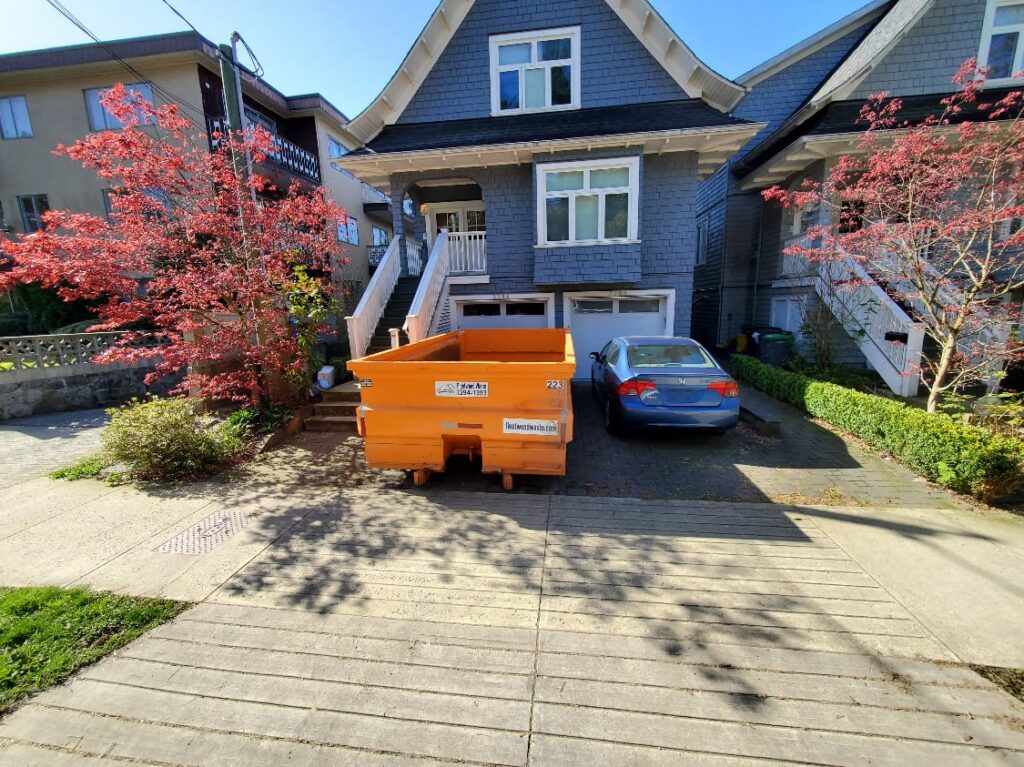
Space Availability: Check where the dumpster will go. Make sure it doesn’t block driveways, sidewalks, or utility areas.
-
Weight Restrictions: Heavy items (e.g., concrete, bricks, roofing materials) can exceed weight limits. Exceeding limits may cause extra fees.
-
Budget: Dumpster rental costs increase with size and weight. Pick a size that fits your budget while meeting your project needs.
-
Local Regulations: Some cities require permits to place dumpsters on streets or public property. Confirm local rules before renting.
-
Material Types: Bulky materials like furniture take more space than dense materials like concrete. Factor in your waste mix.
Tips for Making an Informed Decision
-
Consult Experts: Dumpster rental companies can guide you based on your project description.
-
Estimate Volume Carefully: Provide as much detail as possible about your waste.
-
Plan for Future Waste: If your project lasts several days, plan for accumulating debris.
-
Aim for Efficiency: Choose a size that minimizes downtime due to frequent emptying.
Frequently Asked Questions
What dumpster size do I need for a home renovation?
For small to medium home renovations, a 20-yard dumpster is usually sufficient. Larger projects, like full-house remodels, may require 30–40 yard dumpsters to handle all debris efficiently.
How do I estimate the amount of waste for my project?
Start by listing the types of materials you’ll dispose of, such as wood, drywall, or concrete. Estimate the volume of each material and compare it to dumpster sizes. When in doubt, slightly overestimate to avoid running out of space.
Can dumpsters hold heavy materials like concrete or roofing debris?
Yes, but heavy materials can exceed the weight limits of standard dumpsters. You may need a smaller dumpster for weight reasons, or pay extra fees for heavier loads. Always check with your rental company.
What factors should I consider when choosing a dumpster?
Consider project type, estimated waste volume, available space, weight restrictions, budget, local regulations, and the type of materials being disposed of. Planning ahead helps avoid extra costs and project delays.
How can I ensure efficient waste management for a long project?
For projects lasting several days, account for waste accumulation over time. Choose a dumpster size that reduces the need for multiple pickups, and consult your rental provider for guidance on the best option for ongoing debris.
Conclusion
Selecting the right dumpster size is key to smooth waste management. By considering project type, waste volume, space, weight, and budget, you can avoid unnecessary costs and delays. The right dumpster ensures your project stays on track, whether it’s a small home cleanout or a large construction job.