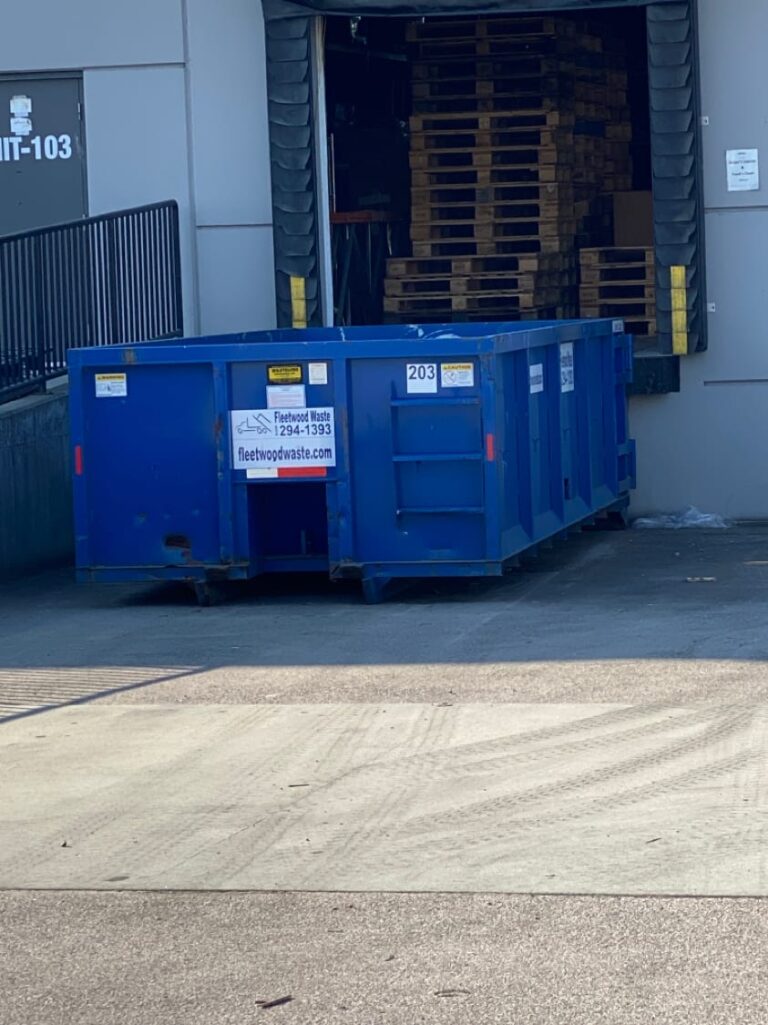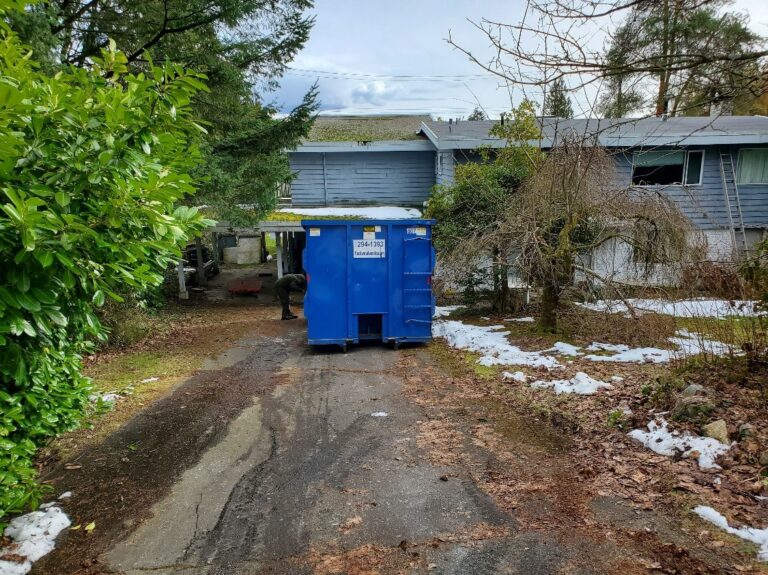
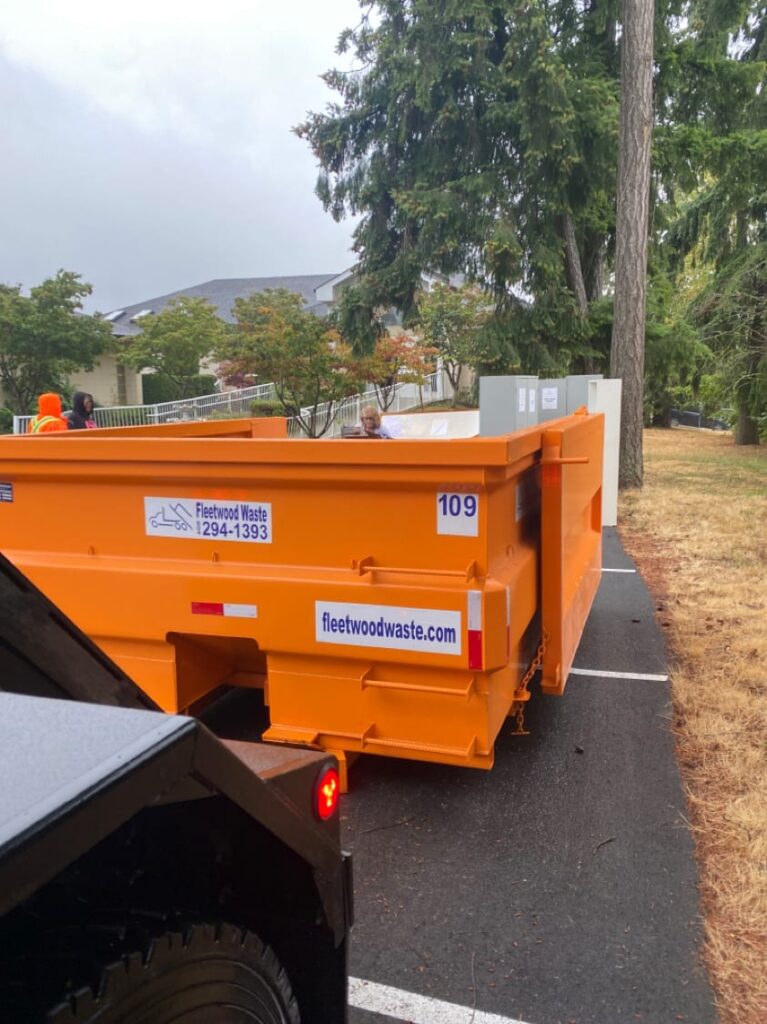
If you are cleaning your home, renovating a property, or managing a construction project, you will likely need a place to put waste. Two common options are bin rental and dumpster rental. Many people search online for “bin rental vs dumpster rental” because they want to know which one is right for their project.
What Is Bin Rental?
Bin rental usually refers to renting a waste bin for short-term or small projects. The word “bin” is commonly used in Canada and some other regions.
Common uses for bin rental
- Home cleanouts
- Garage or basement cleaning
- Small renovation projects
- Yard waste removal
- Roofing waste from a small house
Key features of bin rental
- Smaller size compared to dumpsters
- Easy to place on driveways or small spaces
- Often rented for a few days
- Lower cost than large dumpster rentals
Bin rental is best when you do not have a large amount of waste and want a simple, quick solution.
What Is Dumpster Rental?
Dumpster rental usually means renting a large roll-off container for bigger projects. The term “dumpster” is more commonly used in the United States.
Common uses for dumpster rental
- Construction and demolition projects
- Commercial cleanouts
- Large renovations
- Multi-unit residential projects
- Ongoing waste disposal for businesses
Key features of dumpster rental
- Large capacity (10, 20, 30, or 40 yards)
- Designed for heavy and bulky waste
- Longer rental periods available
- Higher weight limits
Dumpster rental is ideal for projects that create a large volume of waste over time.
Bin Rental vs Dumpster Rental: Key Differences
Here is a clear comparison to help you decide.
1. Size and Capacity
- Bin rental: Small to medium size, good for light waste
- Dumpster rental: Large containers handle heavy and bulky debris
If you expect a lot of waste, dumpster rental is the better choice.
2. Project Type
- Bin rental: Residential, short-term, and small projects
- Dumpster rental: Commercial, construction, and long-term projects
For home cleanups, bin rental usually works well. For construction, dumpster rental is better.
3. Cost
- Bin rental: Lower upfront cost
- Dumpster rental: Higher cost but better value for large jobs
Choosing the right size helps avoid overpaying.
4. Rental Duration
- Fleetwood mixed-waste bins include five days. Rock boxes used for dirt or concrete include three days. Confirm any extension, additional-day charge and revised pickup date in your written quote.
- Dumpster rental: Flexible and longer rental periods
If your project lasts weeks, dumpster rental is more suitable.
5. Weight Limits
- Bin rental: Lower weight allowance
- Dumpster rental: Higher weight capacity
Heavy materials like concrete, roofing shingles, or bricks usually require a dumpster rental.
Common Bin and Dumpster Sizes Explained
Typical bin rental sizes
- 3-yard bin
- 5-yard bin
- 10-yard bin
Best for household waste, yard debris, and light materials.
Typical dumpster rental sizes
- 10-yard dumpster
- 20-yard dumpster
- 30-yard dumpster
- 40-yard dumpster
Best for renovations, construction, and large cleanups.
Which One Should You Choose?
Use this simple guide:
Choose bin rental if:
- You have a small cleanup project
- Waste is light and limited
- You want a low-cost option
- Space is limited
Choose dumpster rental if:
- You have a large or long-term project
- Waste is heavy or bulky
- You are doing construction or renovation work
- You need higher weight limits
Bin Rental vs Dumpster Rental: Regional Language Difference
In many cases, bin rental and dumpster rental mean the same thing, but the wording changes by location.
- Canada: “Bin rental” is more common
- United States: “Dumpster rental” is more common
Always check the size, weight limit, and rental terms, not just the name.
What Can You Put in a Bin or Dumpster?
Most rental services allow:
- Household junk
- Wood and drywall
- Furniture
- Roofing materials
- Yard waste
Items often not allowed:
- Hazardous waste
- Paint and chemicals
- Batteries
- Asbestos
- Medical waste
Always confirm with your rental provider before booking.
Cost Factors You Should Know
The price of bin rental or dumpster rental depends on:
- Container size
- Rental duration
- Weight limit
- Type of waste
- Delivery location
Choosing the correct size helps avoid extra charges.
Environmental Impact and Waste Disposal
Professional bin and dumpster rental services:
- Sort recyclable materials
- Follow local waste rules
- Reduce landfill waste
- Dispose of debris responsibly
Using a licensed rental company helps protect the environment and ensures legal disposal.
Frequently Asked Questions
Is bin rental cheaper than dumpster rental?
Yes, bin rental is usually cheaper for small projects. Dumpster rental costs more but is better for large jobs.
Can I place a bin or dumpster on the street?
In many cities, you may need a permit. Always check local rules before placing a container on public property.
How long can I keep a rented bin or dumpster?
Bin rentals are usually short-term. Dumpster rentals often offer longer and flexible rental periods.
Are bin rental and dumpster rental the same?
They are similar services with different names. The main difference is size, usage, and regional wording.
Final Thoughts: Bin Rental vs Dumpster Rental
Choosing between bin rental and dumpster rental depends on your project size, waste type, and budget. Bin rental works best for small, short-term residential cleanups. Dumpster rental is the right choice for large, heavy, or long-term projects.
Understanding these differences helps you save money, avoid delays, and manage waste properly.
Planning a cleanup or construction project?
Contact a professional bin rental or dumpster rental service today to get the right size, fair pricing, and reliable waste removal for your needs.
Confirm your Fleetwood rental
Rock boxes used for dirt or concrete include three days. Mixed-waste bins include five days. Contact Fleetwood before the agreed pickup if you need an extension, and confirm the additional-day charge and revised collection date in your written quote.
Pricing depends on your delivery city, bin, material and load. Confirm the included weight, loading limits and any applicable charges before booking. Drywall requires a separate drywall-only bin; concrete and dirt require a suitable separate container.