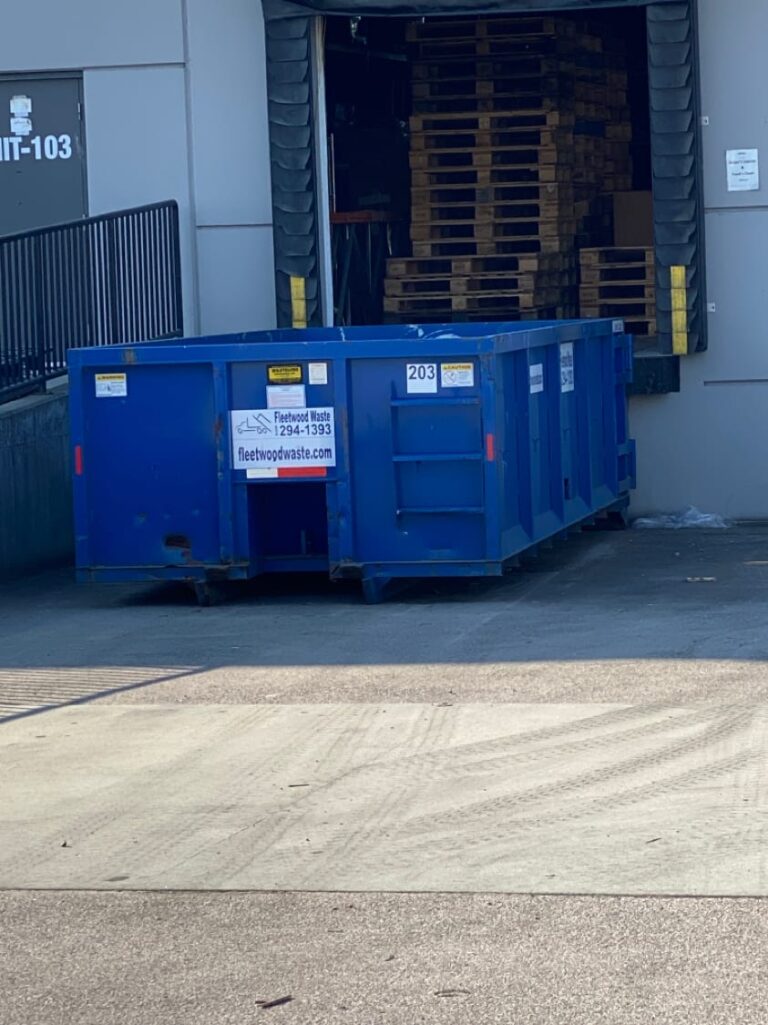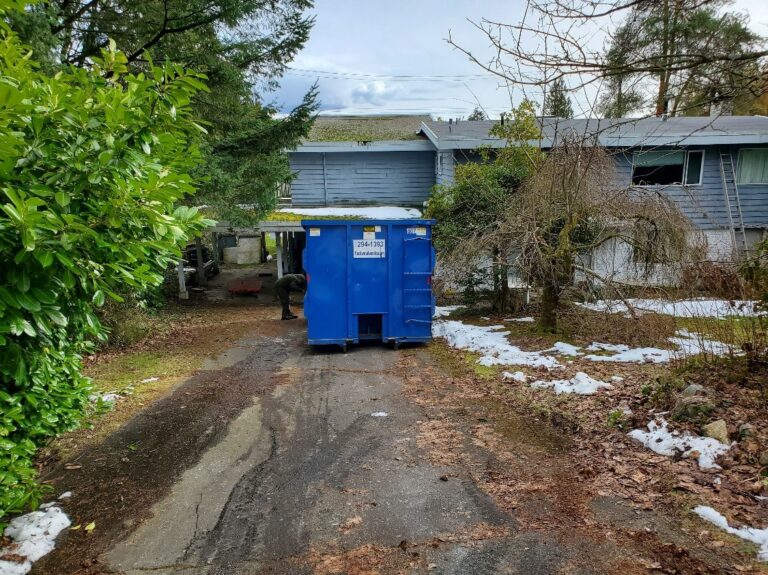
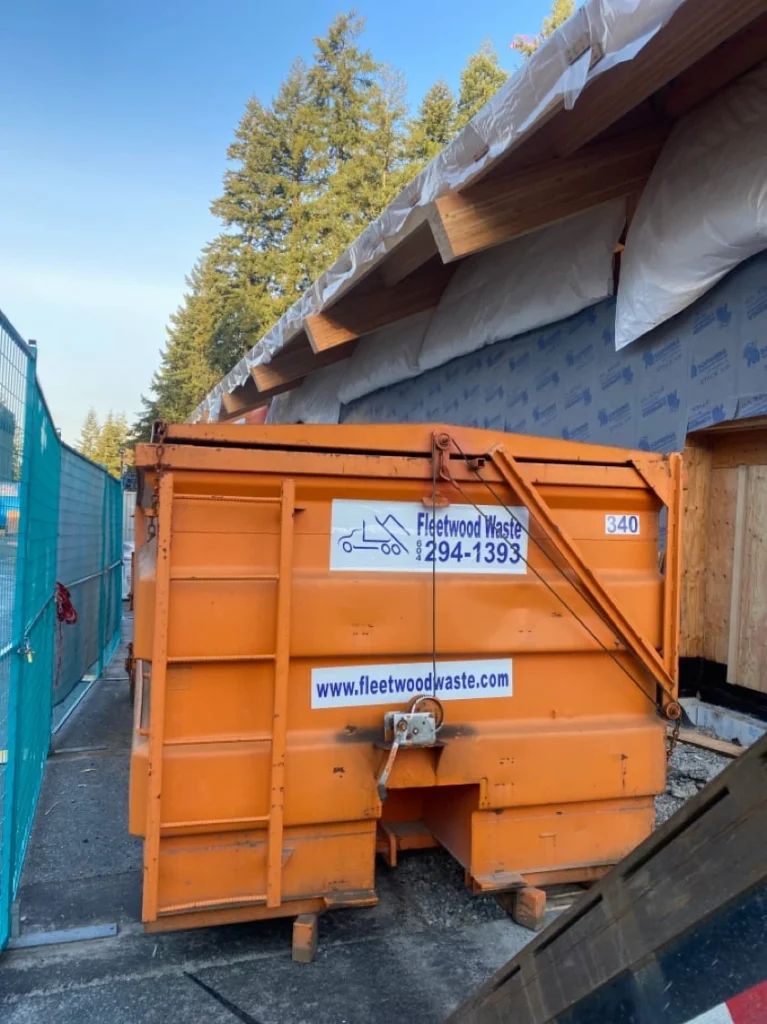
Finding a cheap dumpster rental is possible if you understand how pricing works and what rules you must follow. Many people overpay for dumpster rentals simply because they choose the wrong size, ignore local rules, or miss hidden fees.
Whether you are cleaning your home, remodeling, or working on a construction site, this article will help you make smart choices.
What Is Dumpster Rental and When Do You Need It?
A dumpster rental is a temporary waste container delivered to your location. You fill it with junk, and the rental company picks it up and disposes of the waste.
You may need a dumpster rental if you are:
- Cleaning out a house or garage
- Renovating a kitchen or bathroom
- Roofing or construction work
- Landscaping or yard cleanup
- Managing waste on a job site
Dumpster rentals are easier and cheaper than making many trips to the landfill.
How Dumpster Rental Pricing Works
Understanding pricing is the first step to finding a cheap dumpster rental.
Most dumpster rental prices include:
- Delivery and pickup
- Fleetwood mixed-waste bins include five days. Rock boxes used for dirt or concrete include three days. Confirm any extension, additional-day charge and revised pickup date in your written quote.
- A weight limit
- Disposal fees
Your final cost depends on:
- Dumpster size
- Type of waste
- Weight of debris
- Rental length
- Local disposal fees
Knowing these details helps you avoid surprise charges.
Choose the Right Dumpster Size to Save Money
Choosing the right size is the most important money-saving tip.
Common Dumpster Sizes
- 10-yard dumpster: Small cleanups, garage cleanouts
- 20-yard dumpster: Home renovations, roofing
- 30-yard dumpster: Large remodels, construction
- 40-yard dumpster: Commercial or major projects
Why Size Matters
- Too small → You pay extra for overflow or another dumpster
- Too big → You pay for space you do not need
Tip: Describe your project clearly to the rental company. They help you choose the right size and save money.
Understand Weight Limits to Avoid Extra Fees
Each dumpster has a weight limit. If you exceed it, you pay extra per ton.
Heavy items include:
- Concrete
- Dirt and soil
- Bricks
- Roofing shingles
If your project includes heavy debris:
- Ask for a higher weight limit
- Consider a smaller dumpster for heavy materials
This simple step can prevent unexpected charges.
What You Can and Cannot Put in a Dumpster
Ignoring disposal rules is a common mistake that increases costs.
Items Usually Allowed
- Household junk
- Furniture
- Wood and drywall
- Yard waste
Items Often Not Allowed
- Paint and chemicals
- Tires
- Batteries
- Electronics
- Asbestos materials
These items require special disposal and may result in extra fees or fines.
Always ask for a prohibited items list before renting.
Compare Local Dumpster Rental Companies
Prices vary by location and company. Always compare at least 2–3 local dumpster rental providers.
When comparing, ask:
- What is included in the price?
- What is the weight limit?
- Are there extra fees?
- How long is the rental period?
Local companies often offer better pricing than national brands.
Rent Only for the Time You Need
Keeping a dumpster longer than needed can increase costs.
To save money:
- Plan your project before delivery
- Load the dumpster quickly
- Schedule pickup as soon as you are done
Some companies charge daily fees for extended rentals.
Avoid Overfilling the Dumpster
Overfilling is not allowed and can cause:
- Safety issues
- Pickup delays
- Extra charges
Waste should not go above the fill line. If it does:
- You may need to remove items
- Or pay extra for special handling
Proper loading keeps costs low and avoids problems.
Place the Dumpster in the Right Location
Placing a dumpster incorrectly can lead to fines.
Driveway Placement
- Usually allowed
- No permit needed
Street Placement
- May require a city permit
- Permit fees add to your cost
If possible, place the dumpster on private property to save money.
How to Get a Cheap Dumpster Rental Without Cutting Corners
Here is a quick checklist to keep your dumpster rental affordable:
- Choose the right size
- Stay within weight limits
- Follow disposal rules
- Compare local prices
- Avoid overfilling
- Return the dumpster on time
These steps help you save money without breaking any rules.
Frequently Asked Questions
How much does a cheap dumpster rental cost?
Prices usually range according to city, materials and project requirements depending on size, location, and weight limits.
Is dumpster rental cheaper than junk removal?
Yes. Dumpster rental is often cheaper for large projects because you load it yourself and avoid labor costs.
Can I put furniture in a dumpster?
Yes, most furniture is allowed. Always confirm with the rental company.
What happens if I exceed the weight limit?
You pay an extra fee per additional ton. Ask about overage costs in advance.
Do I need a permit for a dumpster?
Only if it is placed on a public street, driveway placement usually does not require a permit.
Why Following Rules Actually Saves You Money
Some people try to save money by ignoring rules. This often backfires.
Breaking rules can lead to:
- Fines
- Extra disposal charges
- Delayed pickup
- Project delays
Following the rules is the cheapest and safest option.
Final Thoughts: Smart Planning Equals Cheap Dumpster Rental
A cheap dumpster rental is not about choosing the lowest price. It is about choosing the right option.
By planning, asking the right questions, and following disposal rules, you can:
- Avoid hidden fees
- Finish your project faster
- Stay within budget
Dumpster rental does not have to be confusing or expensive.
If you are planning a cleanup or construction project, contact a local dumpster rental provider today. Ask for clear pricing, weight limits, and size recommendations.
Getting the right dumpster the first time saves you money, time, and stress.
Confirm your Fleetwood rental
Rock boxes used for dirt or concrete include three days. Mixed-waste bins include five days. Contact Fleetwood before the agreed pickup if you need an extension, and confirm the additional-day charge and revised collection date in your written quote.
Pricing depends on your delivery city, bin, material and load. Confirm the included weight, loading limits and any applicable charges before booking. Drywall requires a separate drywall-only bin; concrete and dirt require a suitable separate container.