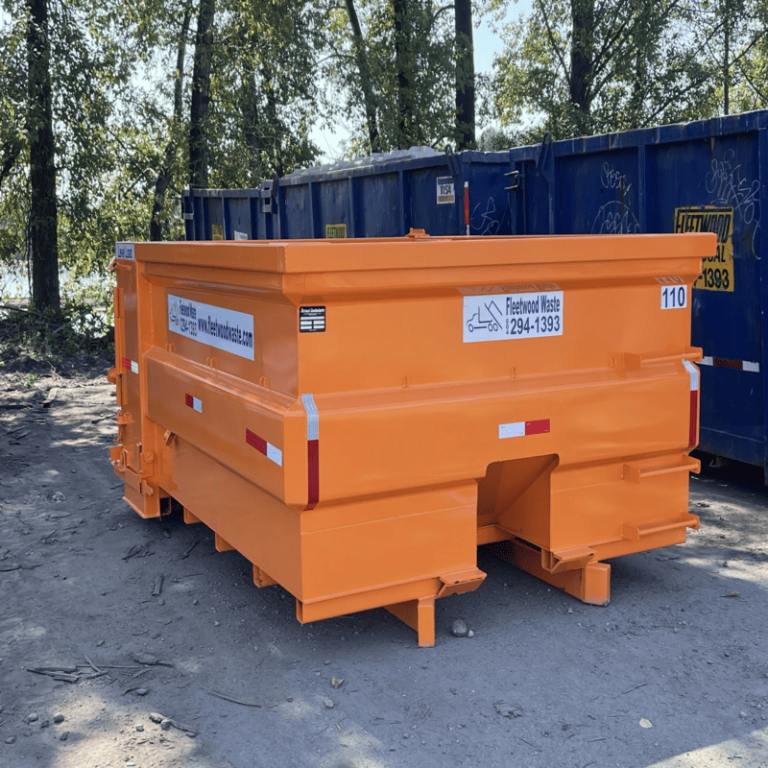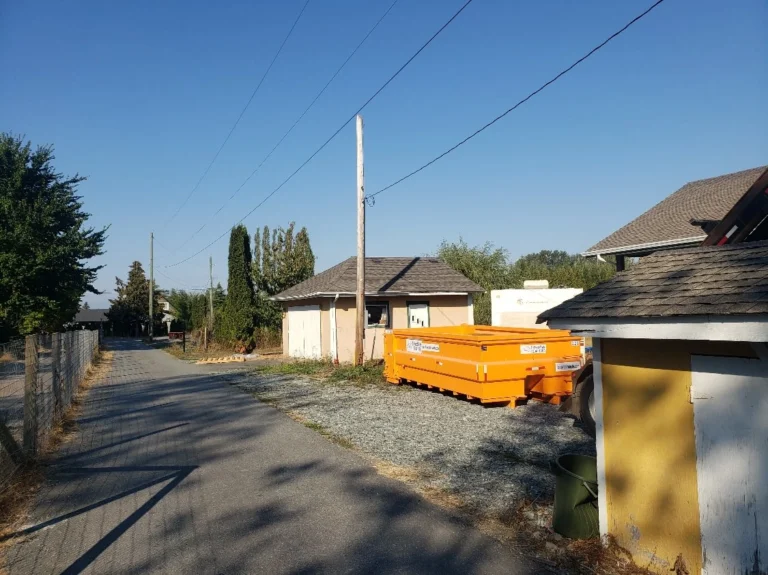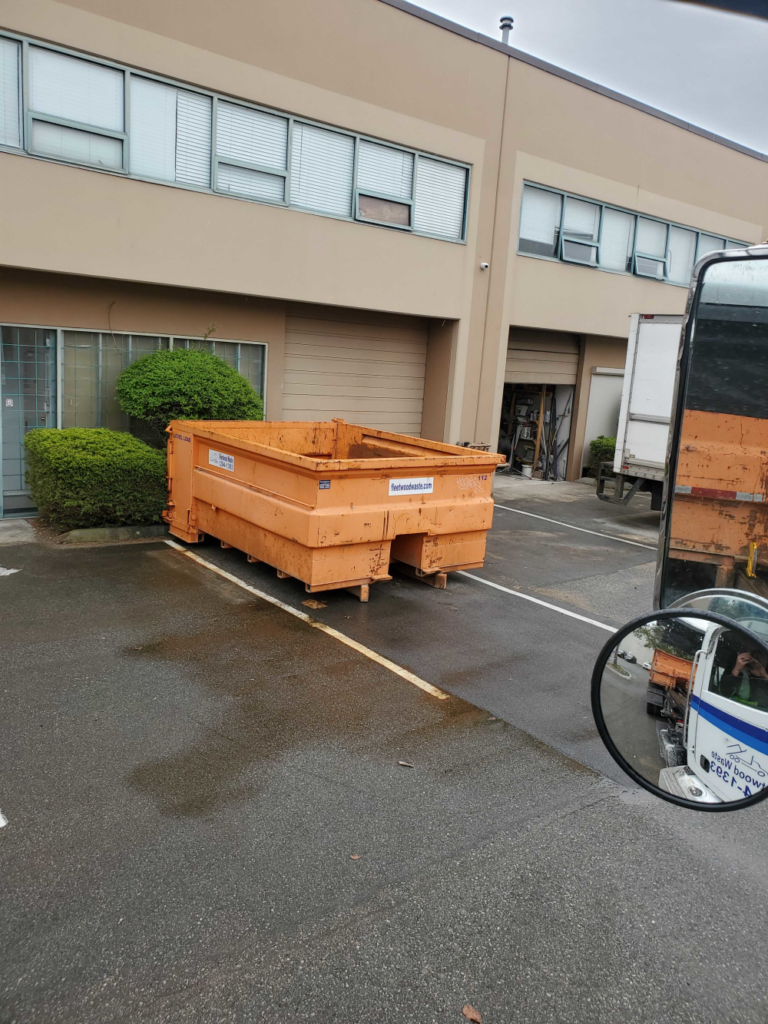
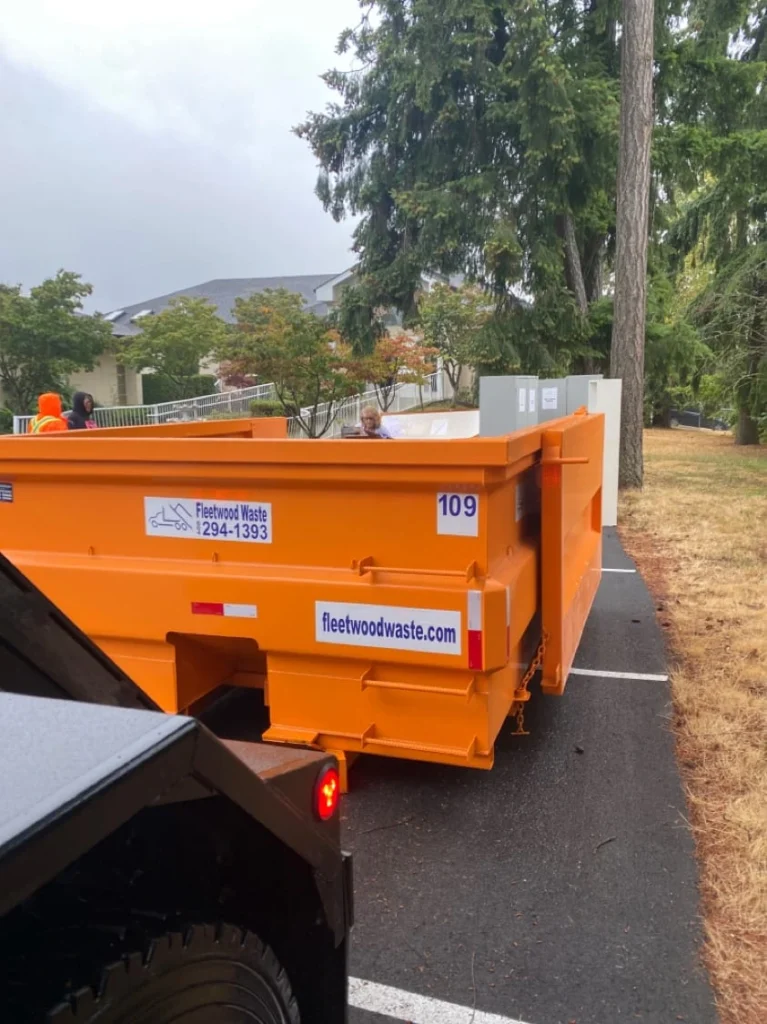
When you’re working on a construction project—whether it’s building a house, renovating a kitchen, or doing a big cleanout—you’ll need a dumpster or bin for waste. But how do you know which construction bin rental size is right for your job? With so many options available, it can be confusing. This guide breaks down the most common disposal bin rental sizes and helps you choose the perfect one for your project.
Why Do You Need a Construction Waste Bin?
Construction projects generate a lot of debris, from wood, drywall, and nails to concrete and even old appliances. Renting a construction bin makes your job site safer, cleaner, and more efficient. Instead of making multiple trips to the dump, you can toss everything in one bin and let the rental company handle removal.
How to Choose the Right Bin Size
The right dumpster size depends on your project type, the amount of waste, and available space. Choosing correctly saves you money and avoids the hassle of renting a second bin.
1. 10-Yard Bin
-
Capacity: 10 cubic yards (≈3 pickup truck loads)
-
Best for: small renovations, bathroom remodels, garage cleanouts, minor landscaping, small roofing jobs.
2. 20-Yard Bin
-
Capacity: 20 cubic yards (≈6–8 pickup truck loads)
-
Best for: medium renovations, deck removals, garage/basement cleanouts, roofing jobs, moderate landscaping.
3. 30-Yard Bin
-
Capacity: 30 cubic yards (≈9–12 pickup truck loads)
-
Best for: major home renovations, large construction projects, commercial cleanouts, siding or roofing replacements.
4. 40-Yard Bin
-
Capacity: 40 cubic yards (≈12–16 pickup truck loads)
-
Best for: full home demolitions, large commercial jobs, major cleanouts, big renovation projects.
Key Factors to Consider
-
Amount of Waste – Match bin size to project scale.
-
Project Type – Consider whether you’ll have bulky items or lighter debris.
-
Available Space – Larger bins need more placement room.
-
Rental Duration – Longer rentals may increase costs.
-
Budget – Bigger bins cost more, so choose wisely.
Tips to Save on Bin Rental Costs
-
Choose the right size to avoid paying for unused space.
-
Bundle multiple projects into one rental.
-
Avoid restricted materials to prevent extra fees.
-
Book early during busy seasons.
Frequently Asked Questions
1. What size construction bin do I need for a kitchen renovation?
For a typical kitchen remodel, a 20-yard dumpster is usually the best choice. It has enough space for cabinets, countertops, flooring, and light demolition debris without being oversized.
2. Can I put concrete, dirt, or bricks in a construction waste bin?
Yes, but heavy materials like concrete, dirt, and bricks usually require a dedicated clean-fill bin with specific weight limits. Always confirm with your rental company to avoid extra charges.
3. How do I know if I should rent a 10-yard or 20-yard dumpster?
If you’re working on small projects like bathroom remodels, garage cleanouts, or minor landscaping, a 10-yard bin works well. For larger renovations such as kitchen remodels or deck removal, a 20-yard bin is more practical.
4. Do I need a permit to place a construction dumpster on my property or street?
If the dumpster sits on your driveway or private property, you typically don’t need a permit. However, if it will be placed on a public street or sidewalk, most cities require a temporary permit. Your rental provider can guide you through the process.
5. How can I save money on a construction bin rental?
You can reduce costs by choosing the right size bin, avoiding prohibited materials, bundling waste from multiple projects into one rental, and booking in advance—especially during busy construction seasons.
Conclusion
Picking the right construction waste bin rental is all about balancing project size, type of debris, and budget. If you’re unsure, consult a bin rental company for expert guidance.
Ready to get started? Contact us today for affordable, reliable, and prompt construction bin rentals. We’ll help keep your project clean, safe, and on schedule.
Confirm your Fleetwood rental
Rock boxes used for dirt or concrete include three days. Mixed-waste bins include five days. Contact Fleetwood before the agreed pickup if you need an extension, and confirm the additional-day charge and revised collection date in your written quote.
Pricing depends on your delivery city, bin, material and load. Confirm the included weight, loading limits and any applicable charges before booking. Drywall requires a separate drywall-only bin; concrete and dirt require a suitable separate container.