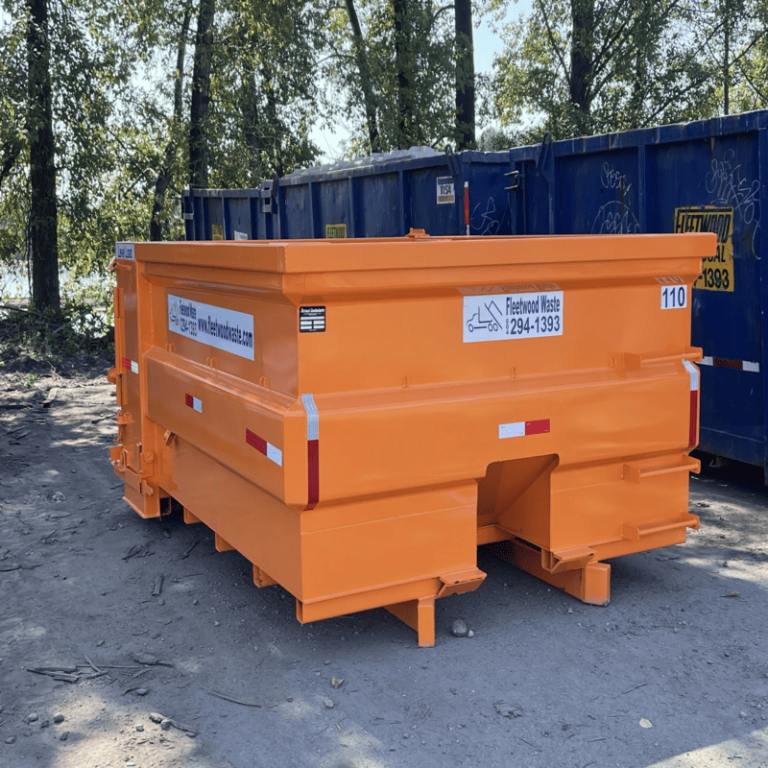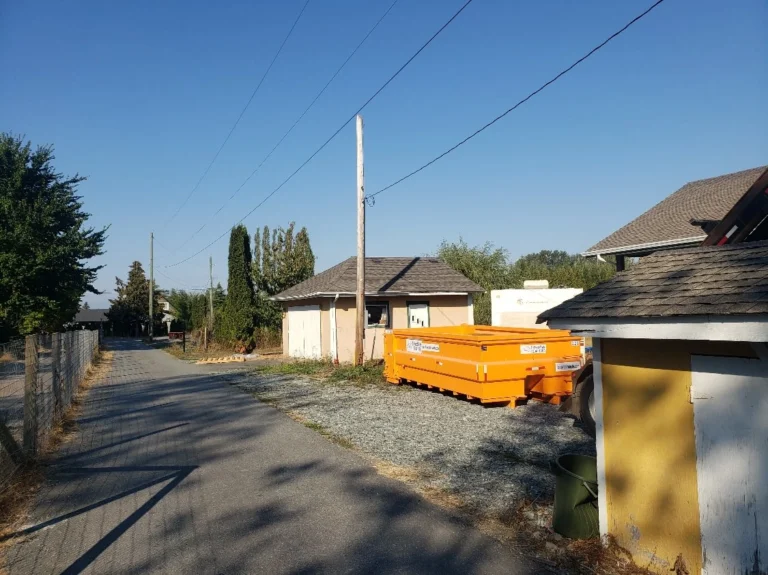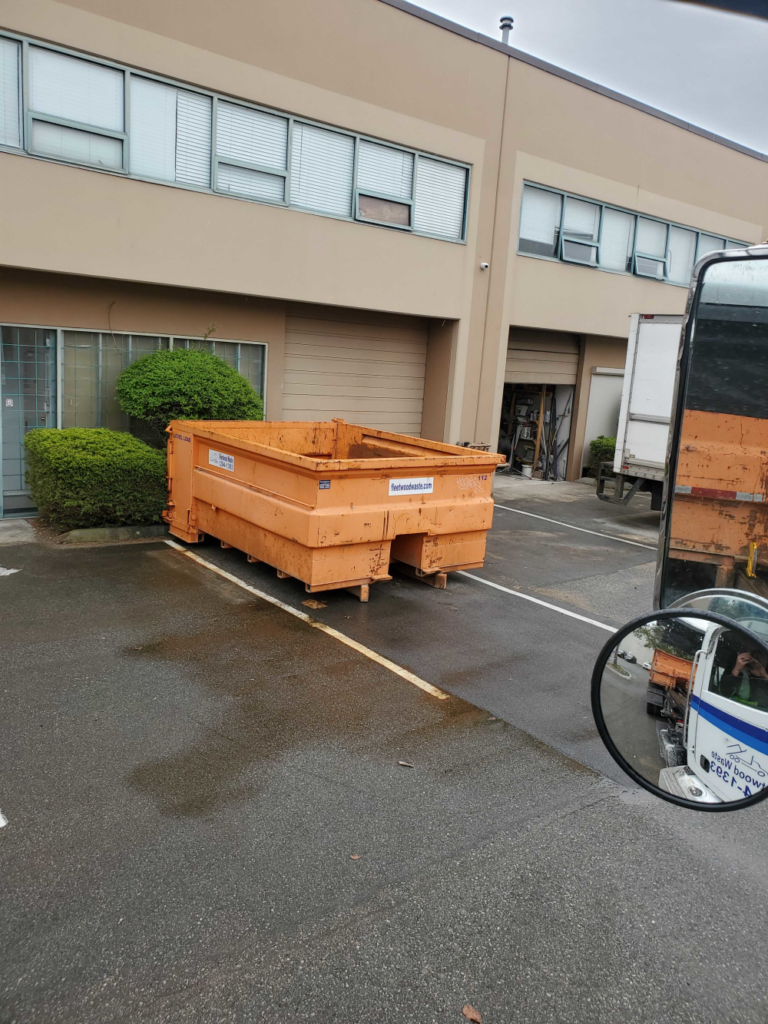
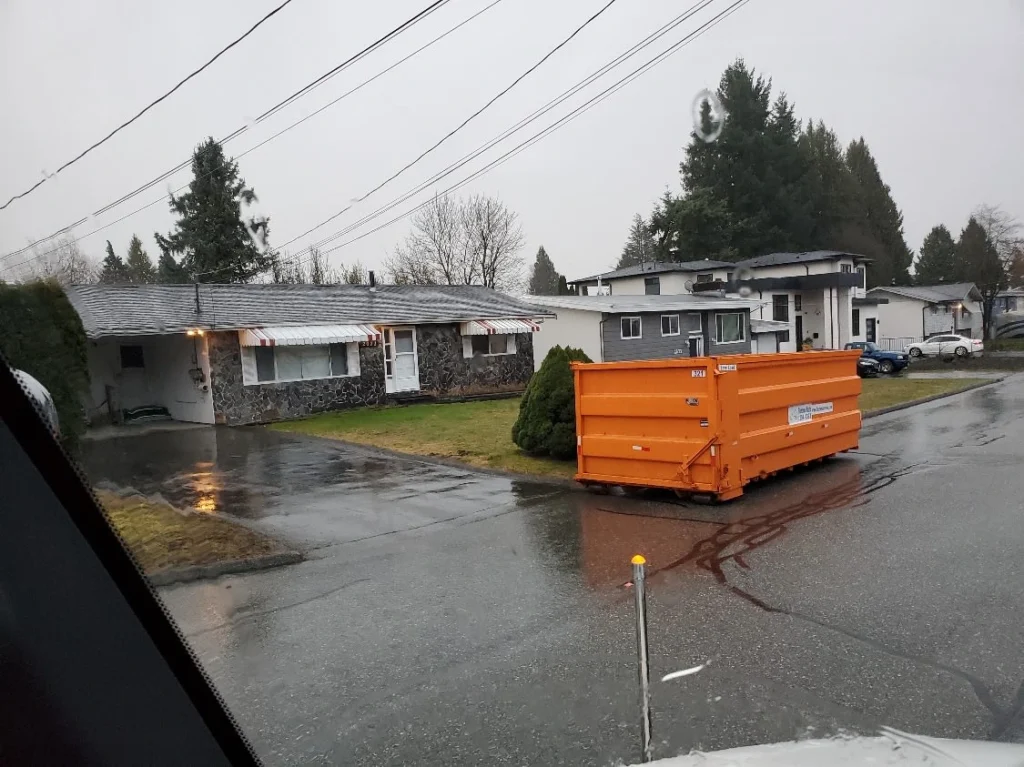
Choosing the right dumpster bin rental size can save you money, time, and stress. Pick a bin that’s too small, and you’ll need extra pickups. Choose one that’s too big, and you’ll pay for space you don’t use.
This guide explains dumpster dimensions in simple terms, so anyone can understand it—even if you’ve never rented a bin before. Whether you’re cleaning your home, remodeling, or managing a worksite.
Why Choosing the Right Dumpster Bin Rental Size Matters
People often think dumpster size is just about “big or small.” In reality, the right size depends on:
- Type of waste
- Amount of waste
- Space available at your site
- Budget
Using the correct bin size helps you:
- Avoid overfilling fees
- Prevent extra rental days
- Keep your site clean and safe
- Stay within local waste rules
How Dumpster Bin Rental Sizes Are Measured
Dumpsters are measured in cubic yards.
One cubic yard = about 3 ft x 3 ft x 3 ft.
Think of it like this:
- A standard pickup truck bed holds about 2–3 cubic yards
- So a 10-yard dumpster ≈ 3–4 pickup truck loads
This simple comparison helps most people estimate their needs.
Common Dumpster Sizes and Dimensions Explained
Below are the most common roll-off dumpster sizes used for residential and commercial projects.
10-Yard Dumpster (Small Projects)
Best for:
- Garage cleanouts
- Small bathroom remodels
- Yard waste and small debris
Typical Dimensions:
- Length: approximately 10 feet
- Width: approximately 8.5 feet
- Height: approximately 4 feet
Holds:
- 3–4 pickup truck loads
Good to know:
This is a great choice when space is limited. Many homeowners choose this size for weekend cleanups.
15-Yard Dumpster (Medium Cleanups)
Best for:
- Basement cleanouts
- Small kitchen renovations
- Roofing jobs (up to 20 squares)
Typical Dimensions:
A 15-yard dumpster is not in Fleetwood’s current six-bin range. Compare the available rock boxes and mixed-waste dumpsters before choosing.
Holds:
- 5–6 pickup truck loads
Why choose it:
If a 10-yard feels too tight but a 20-yard feels too big, this is a smart middle option.
20-Yard Dumpster (Most Popular Choice)
Best for:
- Home remodeling projects
- Flooring or carpet removal
- Estate cleanouts
Typical Dimensions:
- Length: approximately 18 feet
- Width: approximately 8.5 feet
- Height: approximately 4 feet
Holds:
- 6–8 pickup truck loads
Expert note:
This is the most rented dumpster size because it balances cost and capacity well.
30-Yard Dumpster (Large Projects)
Best for:
- Major home renovations
- New construction debris
- Office cleanouts
Typical Dimensions:
- Length: approximately 18 feet
- Width: approximately 8.5 feet
- Height: approximately 6 feet
Holds:
- 9–12 pickup truck loads
Important:
Make sure you have enough vertical clearance. These bins are taller.
40-Yard Dumpster (Heavy-Duty & Commercial Use)
Best for:
- Demolition projects
- Large construction sites
- Commercial renovations
Typical Dimensions:
- Length: approximately 20 feet
- Width: approximately 8.5 feet
- Height: approximately 7.5 feet
Holds:
- 12–16 pickup truck loads
Not ideal for:
Small residential areas or short driveways.
Dumpster Size Comparison Table (Quick View)
| Dumpster Size | Pickup Loads | Best Use |
| 10 Yard | 3–4 | Small cleanouts |
| 15 Yard | 5–6 | Medium projects |
| 20 Yard | 6–8 | Remodeling |
| 30 Yard | 9–12 | Large renovations |
| 40 Yard | 12–16 | Demolition |
How to Choose the Right Dumpster Size (Step-by-Step)
Step 1: List Your Waste Type
Different materials take different space:
- Furniture and mattresses = bulky
- Dirt and concrete = heavy
- Renovation debris = mixed
Step 2: Estimate Volume, Not Weight
Most dumpsters fill up by space before weight limits.
Step 3: Check Placement Space
Measure:
- Driveway length
- Gate width
- Overhead clearance (wires, trees)
Step 4: When in Doubt, Size Up
A slightly bigger bin costs less than ordering a second one.
Weight Limits: What People Often Miss
Every dumpster size comes with a maximum weight limit.
Overloading can lead to extra fees.
Examples:
- Included weight and loading limits are confirmed in your written quote.
- Included weight and loading limits are confirmed in your written quote.
- Included weight and loading limits are confirmed in your written quote.
Heavy materials include:
- Concrete
- Bricks
- Dirt
- Asphalt
Always ask your provider about weight limits before renting.
What You Can and Cannot Put in a Dumpster
Allowed Items (Usually):
- Furniture
- Construction wood
- Drywall
- Household junk
Restricted Items:
- Paint and chemicals
- Car batteries
- Tires
- Hazardous waste
Rules vary by location. Always confirm with your dumpster rental company.
Frequently Asked Questions
What size dumpster do I need for home renovation?
Most home renovations use a 20-yard dumpster. It fits remodeling debris without taking too much space.
Is a 10-yard dumpster enough for a garage cleanout?
Yes, for a standard garage cleanout, a 10-yard dumpster usually works well.
Can I overload my dumpster above the rim?
No. Overfilling is unsafe and often results in pickup refusal or extra charges.
How much space do I need for dumpster delivery?
You’ll need:
- Length: Dumpster length + 5–10 extra feet
- Width: At least 10 feet
- Measure the proposed placement area and identify overhead obstacles. Confirm the required truck access, unloading space and clearance with Fleetwood before delivery.
What happens if I choose the wrong dumpster size?
You may need:
- An extra haul (more cost)
- A second dumpster
This is why proper size selection matters.
Expert Tips for First-Time Dumpster Renters
- Ask for size recommendations
- Send photos of your project if possible
- Know local permit rules
- Don’t guess—estimate carefully
These tips come from common rental mistakes seen by waste management professionals.
Final Thoughts: Choose Smart, Save More
Choosing the right dumpster size doesn’t have to be confusing. When you understand dimensions, volume, and project needs, the decision becomes simple.
The right bin:
- Saves you money
- Keeps your project on schedule
- Avoids stress and delays
Not sure which dumpster size is right for your project?
Talk to a dumpster rental expert today and get a size recommendation based on your exact needs. Choosing the right bin now can save you time, money, and hassle later.
Confirm your Fleetwood rental
Rock boxes used for dirt or concrete include three days. Mixed-waste bins include five days. Contact Fleetwood before the agreed pickup if you need an extension, and confirm the additional-day charge and revised collection date in your written quote.
Pricing depends on your delivery city, bin, material and load. Confirm the included weight, loading limits and any applicable charges before booking. Drywall requires a separate drywall-only bin; concrete and dirt require a suitable separate container.