When you rent a construction bin, one of the first questions you may ask is:
“What can I put inside a construction bin rental?”
What Is a Construction Bin Rental?
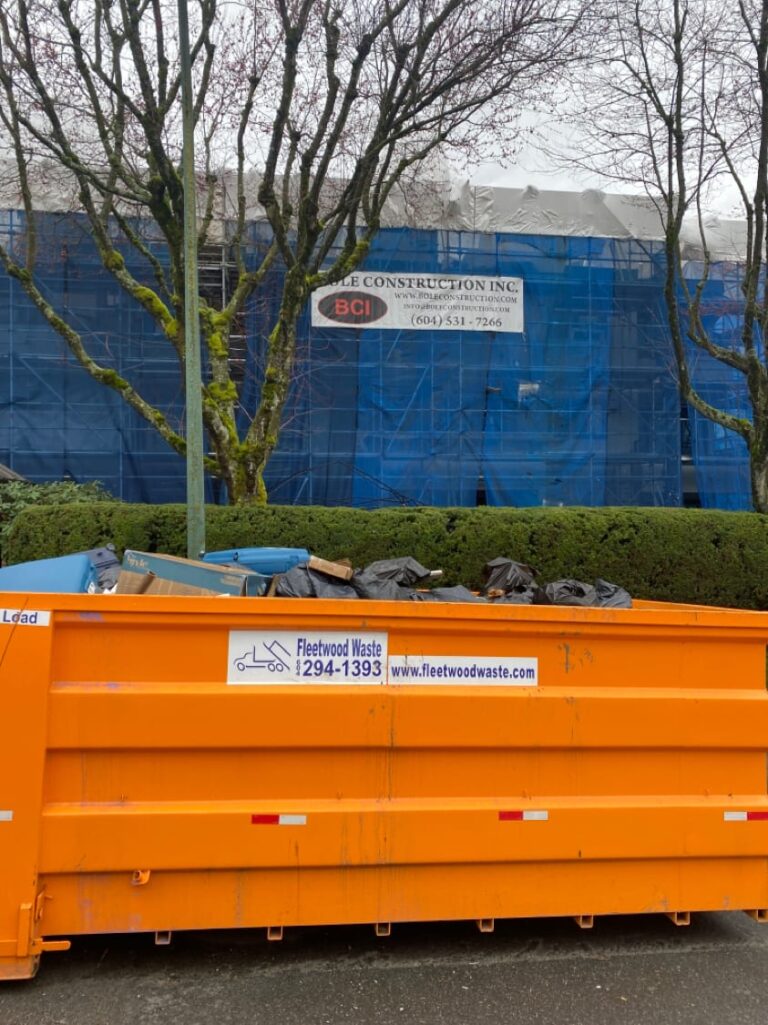
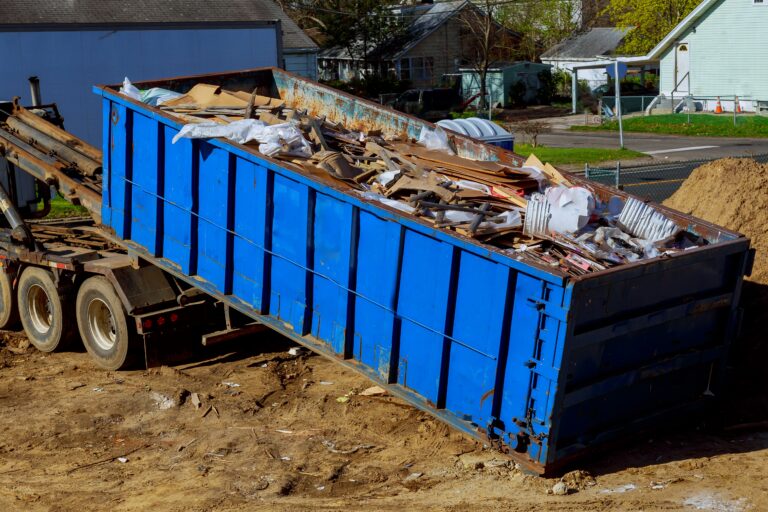
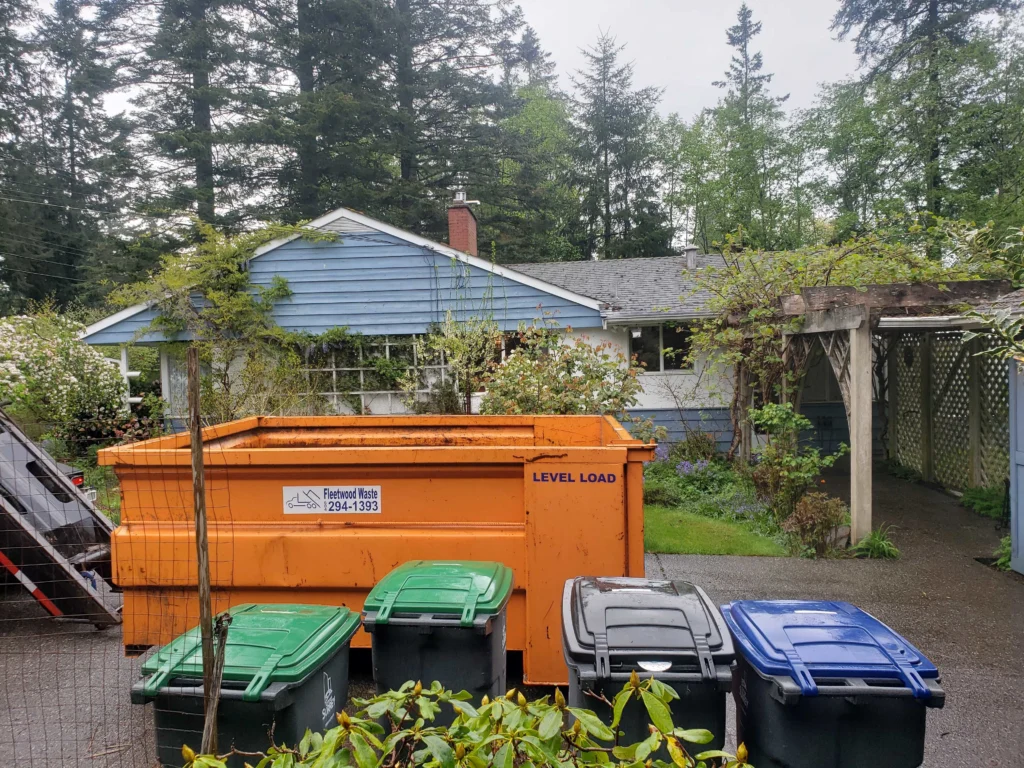
A construction bin rental is a large waste container placed at a job site. It is used to collect debris created during:
- Home renovations
- New construction projects
- Demolition work
- Roofing jobs
- Commercial build-outs
Construction bins are also called roll-off bins or dumpsters. They come in different sizes, such as 10-yard, 20-yard, 30-yard, and 40-yard bins.
The purpose of a construction bin is to safely collect and remove heavy construction waste in one place.
Why Knowing What You Can Put Inside Matters
Knowing what materials are allowed in a construction bin is important because:
- Some items are illegal to dump
- Some materials need special disposal
- Wrong items can cause extra fees
- Unsafe waste can harm workers and the environment
Following the rules helps you avoid delays, fines, and added costs.
What You CAN Put Inside a Construction Bin Rental
Below is a detailed list of commonly accepted construction waste materials.
1. Wood and Lumber Waste
You can put most wood materials into a construction bin, including:
- Scrap lumber
- Wooden boards
- Plywood
- Pallets (broken or cut)
- Framing wood
- Fence panels
Tip: Remove nails when possible to improve safety and recycling.
2. Drywall and Gypsum
Drywall is one of the most common construction wastes.
Allowed drywall materials include:
- Drywall sheets
- Gypsum board
- Plasterboard
- Sheetrock
Drywall is often recycled, so keep it clean and free from other waste if possible.
3. Concrete, Bricks, and Masonry
Many bin providers accept heavy materials such as:
- Concrete chunks
- Bricks
- Cement blocks
- Asphalt
- Stone
Important:
Heavy materials usually require special bins or weight limits. Always confirm before loading.
4. Roofing Materials
Roofing waste is allowed in most construction bin rentals.
This includes:
- Asphalt shingles
- Roofing felt
- Underlayment
- Wood shakes
- Roofing nails
Roofing jobs often need 20-yard or 30-yard bins due to weight.
5. Metal and Scrap Materials
Accepted metal items include:
- Steel studs
- Aluminum siding
- Copper pipes
- Nails and screws
- Metal framing
Some companies recycle metal separately, which can lower disposal costs.
6. Flooring Materials
You can dispose of most flooring materials, such as:
- Tiles and ceramic flooring
- Vinyl planks
- Laminate flooring
- Hardwood pieces
- Carpet and padding
Cut large pieces into smaller sections for easier loading.
7. Glass
Construction-related glass is usually allowed, including:
- Window glass
- Glass panels
- Glass doors
Safety note: Wrap glass or place it carefully to avoid injuries.
8. General Construction Debris
Other accepted materials include:
- Insulation (fiberglass, foam boards)
- Plastic sheeting
- Packaging materials
- Cardboard
- Job site cleanup waste
Keep food waste and household garbage out unless approved.
What You CANNOT Put Inside a Construction Bin
Some materials are not allowed due to safety, environmental, or legal reasons.
1. Hazardous Materials
Never place these items in a construction bin:
- Paint (liquid paint)
- Chemicals and solvents
- Pesticides
- Asbestos
- Contaminated soil
These items require certified hazardous waste disposal.
2. Batteries and Electronics
Not allowed items include:
- Car batteries
- Lithium batteries
- Power tool batteries
- TVs and monitors
- Computers and printers
These items contain harmful metals and must be recycled properly.
3. Tires and Automotive Waste
Most bin providers do not allow:
- Car tires
- Truck tires
- Motor oil
- Oil filters
Tires need special recycling facilities.
4. Appliances
Large appliances are often restricted, such as:
- Refrigerators
- Freezers
- Air conditioners
- Washing machines
These may contain refrigerants and require special handling.
5. Household and Organic Waste
Construction bins are not garbage bins. Avoid:
- Food waste
- Yard waste (unless approved)
- Mattresses
- Furniture
Ask for a mixed-waste bin if you have both construction and household waste.
How to Load a Construction Bin Properly
Correct loading helps avoid extra fees and safety risks.
Best Practices:
- Load heavy items first at the bottom
- Distribute weight evenly
- Do not overfill above the bin walls
- Break down large items
- Keep prohibited items out
An overloaded bin may not be picked up.
Choosing the Right Construction Bin Size
Picking the right size saves time and money.
Common Sizes:
- 10-yard bin: Small renovations, bathroom remodels
- 20-yard bin: Roofing jobs, medium renovations
- 30-yard bin: Full home renovations
- 40-yard bin: Large construction or demolition projects
When in doubt, choose a slightly larger bin.
Frequently Asked Questions
Can I mix different construction materials in one bin?
Yes, most construction bin rentals allow mixed materials unless it is a clean-load bin.
Can I put concrete and wood together?
Sometimes. Heavy materials may need a separate bin due to weight limits.
What happens if I put banned items in the bin?
You may face extra charges, delays, or refusal of pickup.
Do I need a permit for a construction bin?
If the bin is placed on a public road, a permit may be required. Private property usually does not need one.
How long can I keep a construction bin?
Fleetwood mixed-waste bins include five days. Rock boxes used for dirt or concrete include three days. Confirm any extension, additional-day charge and revised pickup date in your written quote.
Expert Tips to Avoid Extra Costs
- Ask for a clear list of allowed items before renting
- Tell the provider about heavy materials in advance
- Choose the correct bin size
- Keep hazardous waste separate
- Follow local disposal rules
These steps protect your budget and your project timeline.
Final Thoughts
A construction bin rental makes cleanup easy, safe, and organized. Knowing what you can and cannot put inside helps you avoid problems and keep your project running smoothly.
Whether you are working on a small renovation or a large construction site, using the bin correctly saves time, money, and effort.
Planning a renovation or construction project?
Book the right construction bin rental today.
Confirm your Fleetwood rental
Rock boxes used for dirt or concrete include three days. Mixed-waste bins include five days. Contact Fleetwood before the agreed pickup if you need an extension, and confirm the additional-day charge and revised collection date in your written quote.
Pricing depends on your delivery city, bin, material and load. Confirm the included weight, loading limits and any applicable charges before booking. Drywall requires a separate drywall-only bin; concrete and dirt require a suitable separate container.