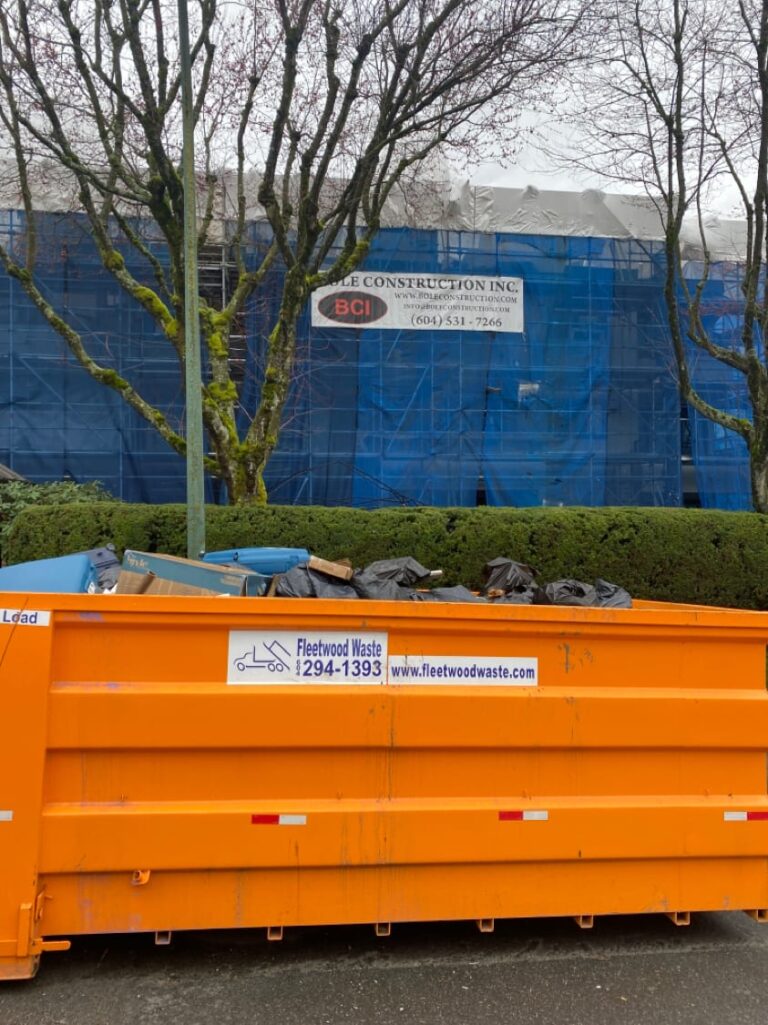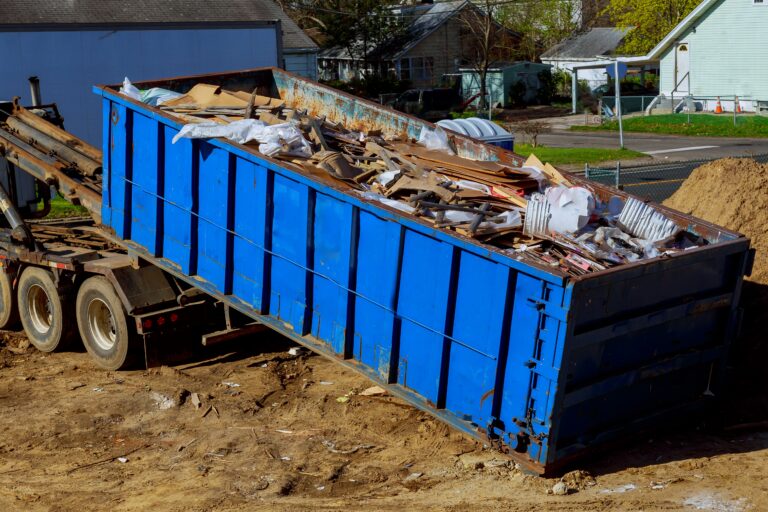
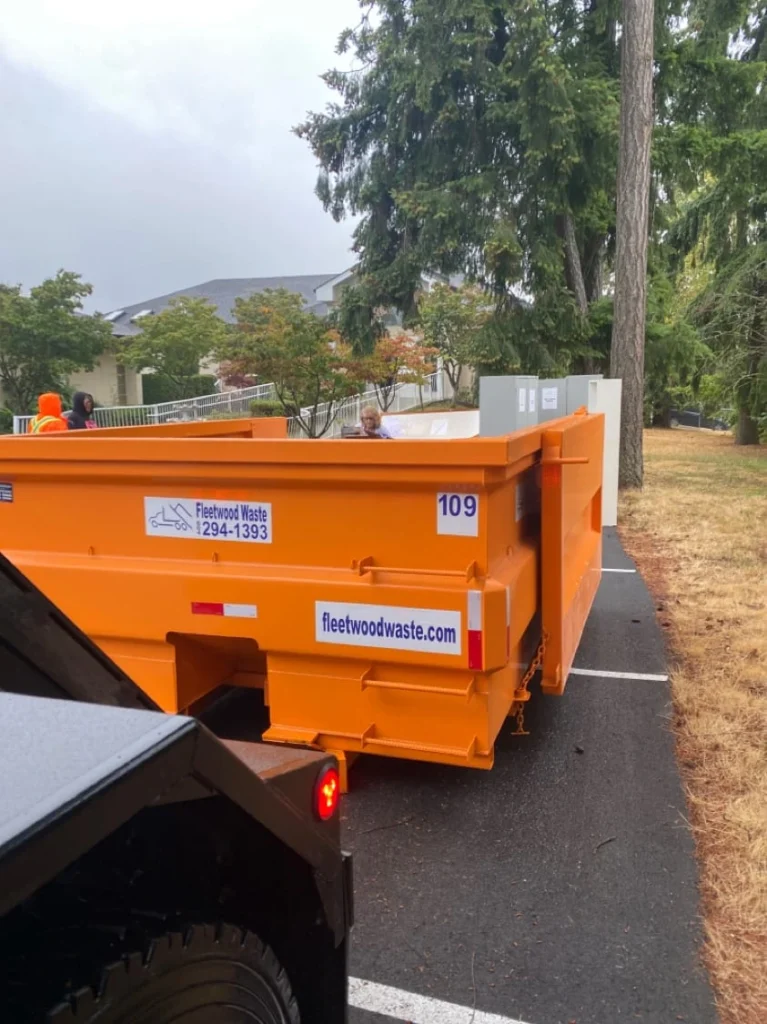
If you’re planning a construction project, renovation, or major cleanup, renting a construction waste bin can make disposal easier and more efficient. But do you know what you can and can’t throw into a disposal bin rental? Not following the rules can lead to extra charges or even rejection of your waste.
In this guide, we’ll explain what materials are allowed in a garbage bin rental and what items you need to dispose of separately. Whether you’re looking for bin rental in Vancouver or anywhere else, these tips will help you stay compliant and avoid unexpected fees.
What You Can Throw in a Construction Waste Bin?
Construction bins are designed to handle a variety of materials. Here’s a list of what is generally accepted:
1. General Construction Debris
You can dispose of most non-hazardous construction materials, including:
- Drywall
- Plaster
- Flooring (tiles, hardwood, laminate, vinyl)
- Roofing materials (shingles, metal sheets, tar paper)
- Bricks and stones
- Glass (non-toxic, like windows and mirrors)
2. Wood and Lumber
Most types of wood can be placed in a dumpster rental, such as:
- Untreated wood
- Plywood
- MDF (medium-density fiberboard)
- Wooden pallets
3. Concrete and Asphalt
If your bin rental provider allows it, you can dispose of:
- Concrete blocks
- Broken asphalt
- Cement pieces
- Cinder blocks
4. Metal Scraps
Construction sites often have metal waste that can be tossed in a waste management service bin, including:
- Aluminum
- Steel
- Iron
- Copper pipes
- Nails and screws
5. Yard Waste and Soil
For landscaping and construction projects, bins can be used for:
- Soil (depending on local regulations)
- Leaves and branches
- Tree stumps (if cut into smaller pieces)
6. Non-Hazardous Household Items
If your project includes a home renovation, you can dispose of:
- Old furniture
- Cabinets
- Doors and windows
What You Can’t Throw in a Construction Waste Bin
While bin rental in Vancouver and other areas allows for many materials, certain items are strictly prohibited. These include hazardous, flammable, or regulated materials.
1. Hazardous Waste
These items require special disposal methods and cannot go into a construction bin rental:
- Paints, solvents, and stains
- Batteries (car batteries, rechargeable batteries)
- Asbestos-containing materials
- Fluorescent light bulbs
- Pesticides and herbicides
2. Electronics and Appliances
Most cities have special recycling programs for electronics. Do not place these in a dumpster:
- TVs and computer monitors
- Refrigerators and AC units (contain Freon)
- Washing machines and dryers
- Microwaves and small kitchen appliances
3. Tires and Auto Parts
Due to environmental regulations, most waste management services do not accept:
- Car and truck tires
- Engine oil and transmission fluid
- Gasoline and diesel
4. Medical and Biohazard Waste
Items from hospitals, clinics, or home healthcare must be disposed of through specialized services, including:
- Needles and syringes
- Medications and prescription drugs
- Blood-soaked materials
5. Flammable or Explosive Materials
To prevent accidents, never throw these items into a garbage bin rental:
- Propane tanks
- Fireworks
- Gasoline and motor oil
- Lighter fluid
- Aerosol cans
Tips for Proper Construction Waste Disposal
To make sure your disposal bin rental experience is smooth, follow these best practices:
1. Choose the Right Bin Size
Bin rental in Vancouver and other areas come in different sizes. Pick the one that fits your project:
- 10-yard bin: Small home projects
- 20-yard bin: Medium renovations
- 30-yard bin: Large construction work
- 40-yard bin: Major demolition projects
2. Sort Your Waste
Keep different types of waste separated to avoid contamination and additional fees. For example, place concrete and wood in different bins if required by your provider.
3. Don’t Overfill the Bin
If waste sticks out over the top of the bin, the provider may refuse to pick it up. Stay within the bin’s fill line.
4. Ask About Special Disposal Needs
If you’re unsure about an item, contact your waste management service for guidance. Some companies offer separate bins for hazardous waste or electronic disposal.
Where to Rent a Construction Waste Bin?
If you’re searching for garbage bin rental or construction bin rental, many providers in Vancouver and nearby areas offer flexible rental options. Look for a company that provides:
- Transparent pricing (no hidden fees)
- On-time delivery and pickup
- Various bin sizes
- Eco-friendly disposal methods
Final Thoughts
Renting a construction waste bin is a convenient way to handle debris from your project. By knowing what you can and can’t throw away, you avoid extra costs and help the environment. Before renting a disposal bin rental, check with your local provider to ensure compliance with their guidelines.
Need a Bin Rental? Get Started Today!
Looking for a reliable bin rental in Vancouver? Contact us today to get a quote and book the perfect dumpster rental for your needs!
Confirm your Fleetwood rental
Rock boxes used for dirt or concrete include three days. Mixed-waste bins include five days. Contact Fleetwood before the agreed pickup if you need an extension, and confirm the additional-day charge and revised collection date in your written quote.
Pricing depends on your delivery city, bin, material and load. Confirm the included weight, loading limits and any applicable charges before booking. Drywall requires a separate drywall-only bin; concrete and dirt require a suitable separate container.