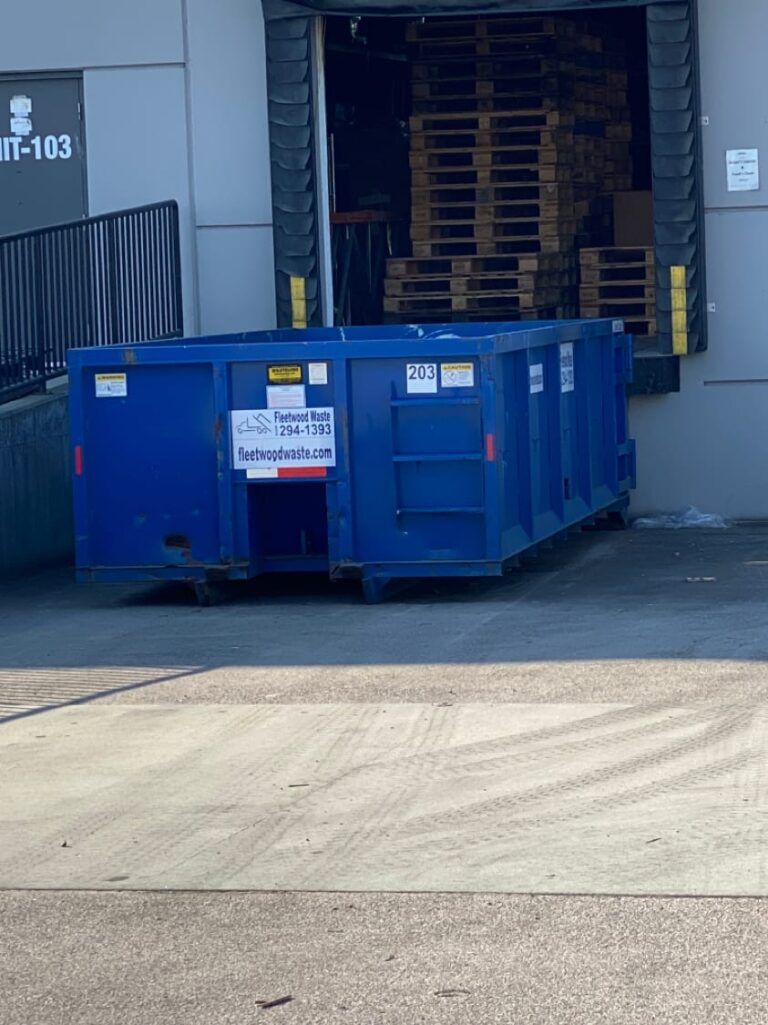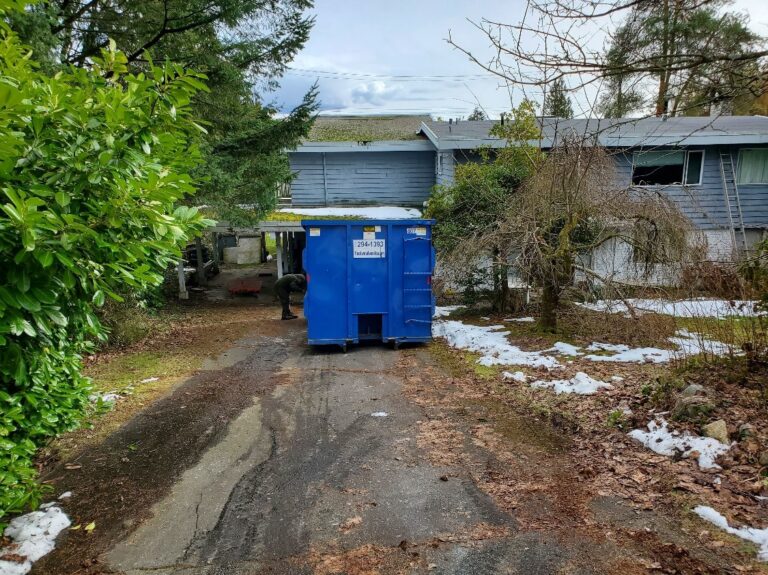
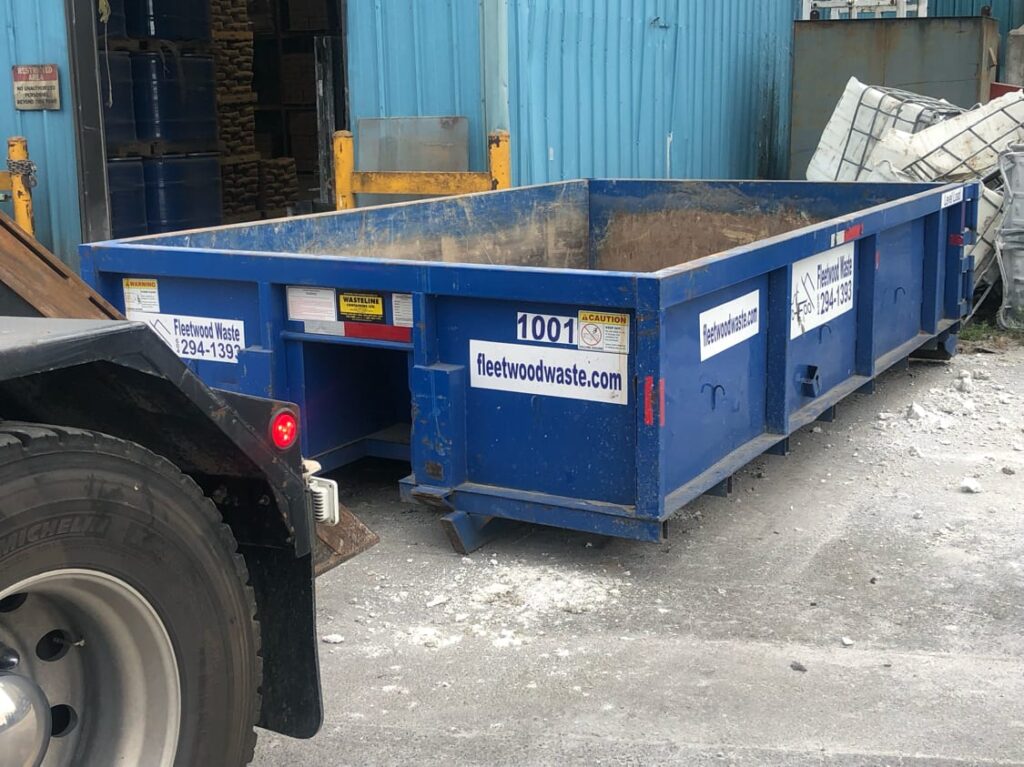
Renting a dumpster may feel confusing at first, especially if you have never done it before. Whether you are cleaning your home, renovating, or managing construction waste, knowing how dumpster rental works can save you time, money, and stress.
This guide explains everything step by step so you can rent a dumpster with confidence.
Why Rent a Dumpster?
A dumpster rental is one of the easiest ways to handle large amounts of waste. It keeps your space clean and avoids multiple trips to the landfill.
Common reasons to rent a dumpster include:
Home Renovations
Projects like kitchen or bathroom remodelling create debris such as drywall, tiles, and old fixtures.
Decluttering
Cleaning garages, basements, or storage units often produces more trash than regular bins can hold.
Yard Waste Removal
Landscaping work leaves behind branches, soil, leaves, and green waste.
Construction Projects
Builders and contractors use dumpsters for wood, metal, concrete, and insulation.
No matter the project size, a dumpster makes waste removal faster and safer.
How Does Dumpster Rental Work?
The dumpster rental process is simple when broken into steps:
1. Estimate Your Waste
Think about how much waste you will generate and what type it is.
2. Choose the Right Dumpster Size
Picking the right size prevents overpaying or running out of space.
3. Select a Reliable Rental Company
Look for clear pricing, good reviews, and dependable service.
4. Check Permit Requirements
If the dumpster will be placed on a public street, your city may require a permit.
5. Schedule Delivery
Choose a delivery date and drop-off location that works for your project.
6. Load the Dumpster Properly
Fill it evenly and do not include restricted items.
7. Schedule Pickup
Once full or when your project ends, the company will haul it away.
Common Dumpster Sizes and Their Uses
Choosing the right dumpster size helps control costs and avoid delays.
-
10-Yard Dumpster
Best for small cleanouts, yard waste, and minor renovations. -
20-Yard Dumpster
Ideal for medium home remodels and roofing projects. -
30-Yard Dumpster
Good for large cleanouts, home additions, or construction jobs. -
40-Yard Dumpster
Designed for commercial projects and major demolition work.
If you are unsure, most rental companies can recommend the right size.
Items You Cannot Put in a Dumpster
For safety and environmental reasons, some items are not allowed.
Common prohibited items include:
-
Hazardous materials such as paint, chemicals, and batteries
-
Appliances and electronics — keep out of Fleetwood rental bins; discuss an appropriate separate arrangement.
-
Tires and automotive fluids
-
Medical waste
-
Asbestos
Your dumpster provider will explain how to dispose of these items correctly.
How to Save Money on Dumpster Rentals
Dumpster rentals can be affordable if planned properly.
-
Choose the correct size to avoid paying extra
-
Compare quotes from multiple companies
-
Do not overfill or exceed weight limits
-
Rent only for the days you need
-
Ask about discounts or special pricing
Proper planning can significantly reduce costs.
Benefits of Renting a Dumpster
Renting a dumpster offers several advantages:
-
One container for all waste
-
Fewer trips to the landfill
-
Cleaner and more organized work areas
-
Safer environments with less debris
-
Environmentally responsible disposal and recycling
It is one of the most efficient waste management solutions available.
How to Choose the Right Dumpster Rental Company
Not all providers offer the same level of service. Look for:
-
Clear and transparent pricing
-
Flexible delivery and pickup schedules
-
Positive customer reviews
-
Multiple dumpster size options
-
Responsive customer support
A reliable company makes the entire process stress-free.
Frequently Asked Questions
1. How much does dumpster rental cost?
Costs depend on dumpster size, rental time, location, and waste type. Most rentals include delivery, pickup, and disposal.
2. What dumpster size do I need?
Small cleanups need a 10-yard dumpster, home renovations use 20-yard dumpsters, and large projects need 30–40 yards.
3. How long can I keep a dumpster?
Most rentals last 5 days. Extra days usually cost more.
4. What items are not allowed in a dumpster?
Hazardous waste, electronics, tires, medical waste, and asbestos are not allowed.
5. Do I need a permit for a dumpster?
No permit is needed on private property. Street placement may require a city permit.
Final Thoughts
Dumpster rental does not have to be complicated. When you understand your waste needs, select the right dumpster size, and work with a trusted provider, cleanup becomes quick and simple.
Whether it is a home project or a construction site, dumpster rental is the easiest way to manage waste responsibly.
Need a Dumpster? Get a Free Quote Today
Looking for affordable and reliable dumpster rental service?
Contact us today for expert guidance and fast delivery.
Confirm your Fleetwood rental
Rock boxes used for dirt or concrete include three days. Mixed-waste bins include five days. Contact Fleetwood before the agreed pickup if you need an extension, and confirm the additional-day charge and revised collection date in your written quote.
Pricing depends on your delivery city, bin, material and load. Confirm the included weight, loading limits and any applicable charges before booking. Drywall requires a separate drywall-only bin; concrete and dirt require a suitable separate container.