Renting a dumpster is one of the easiest ways to get rid of a large amount of junk, construction debris, or yard waste. But if you’ve never done it before, you probably have questions. What size do I need? How much will it cost? What can I throw inside?
This guide answers the most common dumpster rental questions in clear, simple language. We’ll also share tips to avoid hidden fees, choose the right bin, and make your rental experience smooth.
What is a Dumpster Rental?
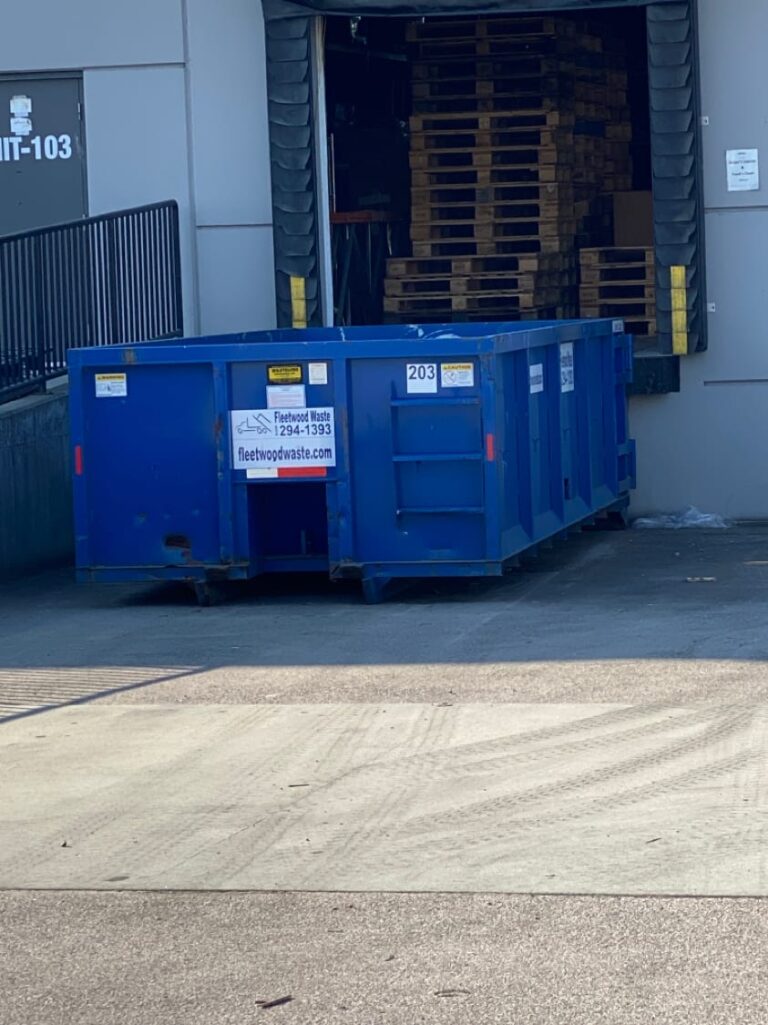
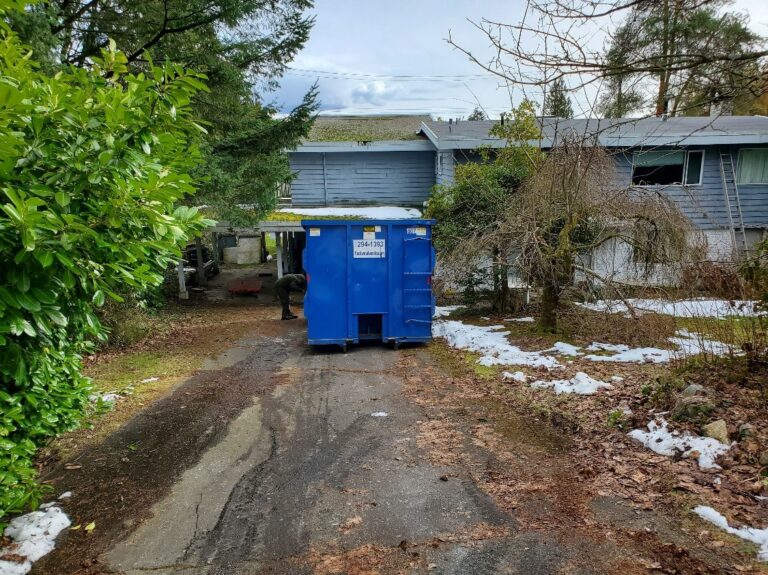
A dumpster rental (also called a roll-off container or trash bin rental) is a service where a company delivers a large waste container to your home or job site. You fill it with junk, debris, or construction waste, and the company picks it up when you’re finished.
Dumpster rentals are commonly used for:
- Home cleanouts and moving prep
- Yard waste, tree removal, or landscaping
- Remodeling projects like kitchens or bathrooms
- Roofing and siding replacement
- Construction and demolition jobs
In short, it’s a temporary waste solution that saves you multiple trips to the landfill.
What Dumpster Sizes Are Available?
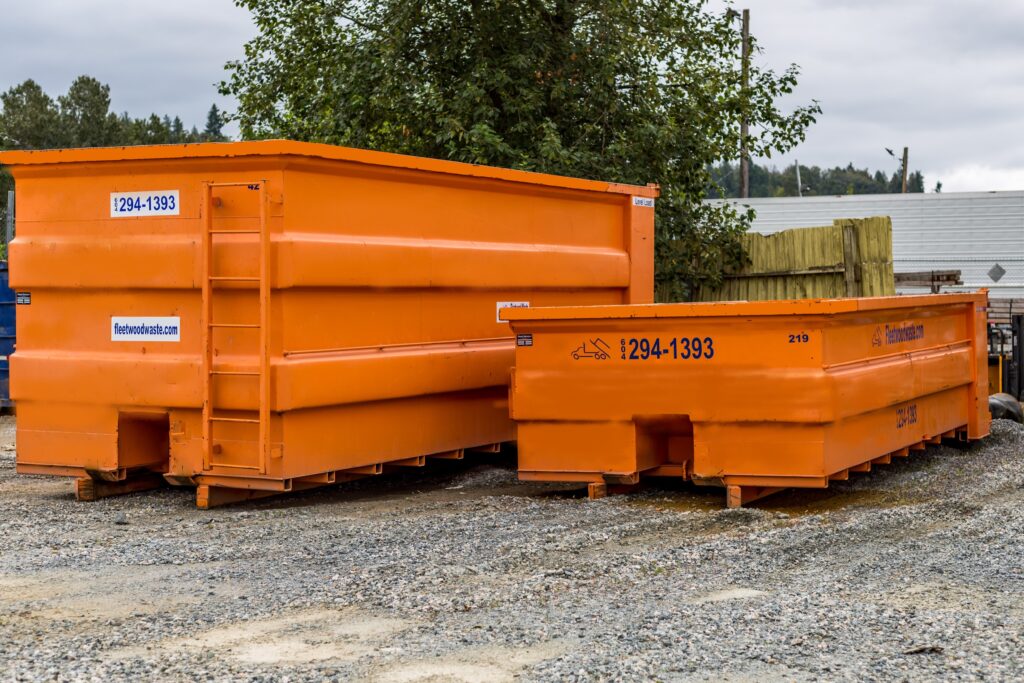
Dumpsters come in different sizes, usually measured in cubic yards. Choosing the right one depends on your project:
- 10-yard dumpster – Perfect for small cleanouts, like a garage or basement.
- 20-yard dumpster – Great for mid-sized projects, such as kitchen renovations or furniture disposal.
- 30-yard dumpster – Commonly used for major remodeling or large home cleanouts.
- 40-yard dumpster – Best for large construction, demolition, or commercial projects.
Tip: If you’re unsure, go one size bigger. Renting too small often leads to extra costs for a second dumpster.
How Much Does a Dumpster Rental Cost?
The price of a dumpster rental depends on:
- Dumpster size – Bigger bins cost more.
- Fleetwood mixed-waste bins include five days. Rock boxes used for dirt or concrete include three days. Confirm any extension, additional-day charge and revised pickup date in your written quote.
- Type of waste – Heavy loads like concrete, bricks, or roofing shingles may carry higher fees.
- Location – Disposal fees vary by city or county.
Average Dumpster Rental Costs (North America):
- 10-yard — View city pricing or request a written quote for your bin, material and delivery address.
- 20-yard — View city pricing or request a written quote for your bin, material and delivery address.
- 30-yard — View city pricing or request a written quote for your bin, material and delivery address.
- 40-yard — View city pricing or request a written quote for your bin, material and delivery address.
Pro Tip: Ask for an all-inclusive quote that covers delivery, pickup, landfill fees, and taxes. That way you avoid surprise charges.
What Can You Put in a Dumpster?
Most general junk and construction debris is fine.
Allowed Items:
- Furniture, mattresses, household junk
- Wood, drywall, and flooring
- Roofing shingles
- Yard debris like branches, dirt, and grass
- Small appliances (without freon)
Not Allowed:
- Hazardous waste (paint, chemicals, asbestos)
- Tires and car batteries
- Refrigerators with freon
- Medical or biohazard waste
How-To Tip: Before loading, double-check your provider’s list of restricted items. Throwing in banned materials may cause extra disposal fees.
Do I Need a Permit for a Dumpster?
A permit is only required if the dumpster sits on public property (street, sidewalk, alley).
- Private driveway or yard? No permit needed.
- Public space? Call your city or county office for approval.
Your dumpster rental company can often help with the permit application if needed.
How Long Can I Keep the Dumpster?
Fleetwood mixed-waste bins include five days. Rock boxes used for dirt or concrete include three days. Confirm any extension, additional-day charge and revised pickup date in your written quote.
How-To Tip: Plan your project timeline before scheduling delivery. This way, you’ll maximize use of the bin without paying extra for idle days.
How Do I Avoid Extra Fees?
Hidden fees are the number one concern for people renting dumpsters. Here’s how to avoid them:
- Stay within weight limits – Each container has a set maximum load.
- Do not overfill – Waste must stay below the rim.
- Follow disposal rules – No hazardous or restricted items.
- Return on time – Avoid late return penalties.
Always ask for a clear breakdown of costs before booking.
How Do I Choose the Right Dumpster Rental Company?
Not all providers are equal. To find a reliable company, look for:
- Transparent pricing with no hidden costs
- Positive customer reviews online
- Flexible rental periods
- Fast delivery and pickup options
How-To Tip: Call at least two or three companies in your area to compare quotes and services.
Dumpster Rental vs. Junk Removal: Which is Better?
- Dumpster rental: You load the bin yourself over several days. Best for ongoing projects or renovations.
- Junk removal service: A crew comes to haul away items in one visit. Best for single cleanouts.
If you’re working on a remodeling or construction job, a dumpster rental is usually more affordable. If you just need to clear out a garage in a day, junk removal may be easier.
Frequently Asked Questions
Q: How do I know what size dumpster to rent?
Estimate your waste volume and always round up. A 20-yard dumpster is the most common choice for homeowners.
Q: Can I mix household junk with construction debris?
Yes, in most cases. But heavy materials like concrete may need a special container.
Q: Can a dumpster damage my driveway?
It can if placed directly on asphalt or concrete. Most companies recommend wooden planks under the bin for protection.
Q: Do dumpster rentals include labor for loading?
No. You load the dumpster yourself. If you want help, hire a junk removal crew.
Final Thoughts
A dumpster rental is a simple, cost-effective way to manage waste during home cleanouts, remodeling projects, or construction jobs. By knowing what size you need, what you can load, and how to avoid hidden fees, you’ll save time, money, and stress.
Planning a project soon? Don’t wait until waste piles up. Contact a trusted local dumpster rental provider, request a clear upfront quote, and choose the right container for your needs. With the right planning, your project cleanup will be quick, easy, and hassle-free.
Confirm your Fleetwood rental
Rock boxes used for dirt or concrete include three days. Mixed-waste bins include five days. Contact Fleetwood before the agreed pickup if you need an extension, and confirm the additional-day charge and revised collection date in your written quote.
Pricing depends on your delivery city, bin, material and load. Confirm the included weight, loading limits and any applicable charges before booking. Drywall requires a separate drywall-only bin; concrete and dirt require a suitable separate container.