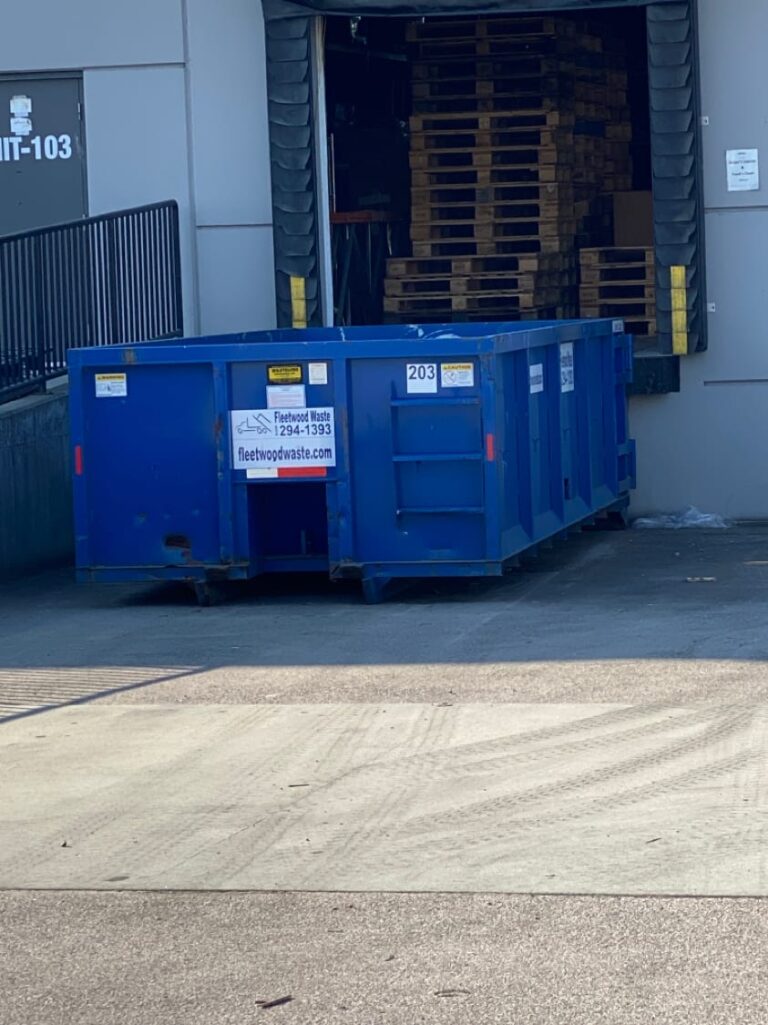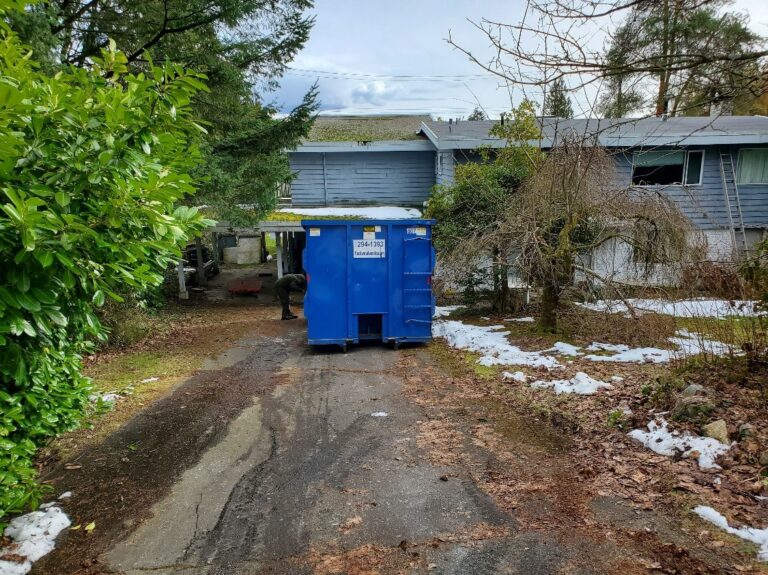
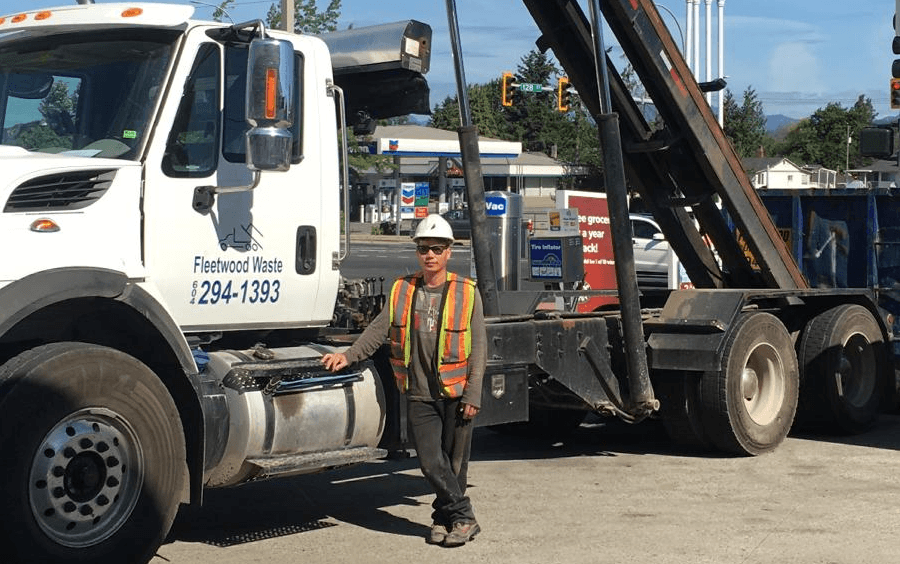
Working with a roll-off dumpster may look simple. You collect waste, toss it in, and repeat. But many injuries happen each year because people underestimate the risks. Roll-off bins are large, heavy, and often used in busy areas like construction sites, back alleys, or renovation zones.
Following a few basic safety rules can greatly reduce the risk of injury and keep your project running smoothly.
Below are five practical and easy-to-follow roll-off dumpster safety tips.
1) Always Wear Proper Safety Gear
Wearing the right safety gear is one of the most important steps when working around a roll-off bin. In many job sites, it is not just recommended—it is required.
Even if the items you are throwing away seem harmless, accidents can happen. Materials can shift, break, or bounce back unexpectedly.
Recommended safety gear includes:
-
Gloves to protect your hands
-
Steel-toed boots to protect your feet
-
Safety glasses or face shields
-
Hard hats on construction sites
If you are handling heavy or bulky materials, never work alone. Ask for help. While roll-off bins often have side doors for easier loading, injuries can still occur if proper precautions are not taken.
2) Wear Comfortable but Durable Clothing
If you are loading a roll-off dumpster by hand, what you wear matters more than you may think.
Your clothing should be:
-
Comfortable and breathable so you do not overheat
-
Durable enough to resist tears and punctures
Roll-off dumpsters are commonly placed in rough environments. You may encounter:
-
Sharp nails
-
Broken glass
-
Metal scraps
-
Wood splinters
Wearing thick pants, long sleeves, and sturdy fabrics can protect your skin and prevent minor injuries that can slow down your work.
3) Fill the Roll-Off Dumpster Evenly
Loading the dumpster evenly is critical for safety and compliance.
Uneven loads can cause:
-
Items to shift suddenly
-
Heavy materials to fall
-
Risk of injury if someone is inside or nearby
Always place heavier items at the bottom and spread them across the bin instead of piling them on one side.
Even loading is also important for pickup. Roll-off dumpsters must be balanced to be safely transported. If the bin is overloaded or uneven, the driver may refuse pickup until it is corrected, which can lead to delays or extra fees.
4) Never Try to Move a Roll-Off Bin Yourself
Roll-off dumpsters are extremely heavy. Many can weigh several tons when empty—and far more when full.
Never attempt to:
-
Push the bin
-
Drag the bin
-
Lift or reposition it with makeshift tools
Moving a roll-off dumpster without proper equipment is dangerous and can cause serious injury or property damage.
If the bin needs to be moved, always contact your dumpster rental provider. They have the right trucks, tools, and training to move it safely.
5) Know Which Materials Are Not Allowed
Not everything can go into a roll-off dumpster. Some materials are prohibited because they are dangerous or hazardous.
Common prohibited items include:
-
Chemicals and solvents
-
Paints and oils
-
Batteries
-
Medical or biohazard waste
-
Asbestos-containing materials
Placing banned items in a dumpster can:
-
Put waste facility workers at risk
-
Harm the environment
-
Result in fines or extra charges
Before you start loading, ask your dumpster rental provider for a clear list of allowed and prohibited materials.
Frequently Asked Questions
1) What safety risks come with roll-off dumpsters?
The main risks are falling debris, sharp materials, uneven loads, and heavy items shifting. Most injuries happen when safety rules are ignored.
2) Is safety gear required when using a roll-off dumpster?
Yes. Gloves, steel-toed boots, and eye protection help prevent cuts, crushed feet, and eye injuries.
3) Why should a roll-off dumpster be loaded evenly?
Even loading prevents materials from shifting and allows safe pickup. Uneven bins may delay collection and cause safety hazards.
4) Can I move a roll-off dumpster myself?
No. Roll-off dumpsters are extremely heavy and should only be moved by the rental company using proper equipment.
5) What items are not allowed in roll-off dumpsters?
Hazardous materials like chemicals, batteries, paint, and medical waste are prohibited to protect workers and the environment.
Final Thoughts on Dumpster Safety
These five safety tips are simple, but they make a big difference. Wearing the right gear, loading properly, and following rules can help prevent injuries and delays.
If you are ever unsure about safe use, it is better to ask questions than take risks.
Protecting your driveway during a bin rental
Tell the rental team what surface the bin will sit on before delivery. Ask about suitable placement and any surface protection needed for that location. Clear the agreed area and keep vehicles out of the delivery route. Bin placement cannot guarantee against surface damage; discuss existing cracks, soft ground and access concerns with the team before booking.
Planning safe bin placement
Arrange an accessible, level placement area with the delivery team before the truck arrives. Keep the route clear and discuss overhead obstructions, narrow entrances and pedestrian access. If the bin would occupy a street or other public area, confirm the applicable city permissions before delivery. See the bin rental permit guide for questions to ask.
Confirming loading instructions
Confirm accepted materials and the loading limits for your specific bin before starting. Keep materials within the agreed fill line and weight limit, and leave prohibited items out. Ask the rental team how to handle heavy, awkward or uncertain materials rather than attempting an unsafe lift. Keep the collection route accessible and report any concern before pickup.
If an item ends up in the bin by mistake
Do not climb into a loaded bin or move it yourself to retrieve an item. Keep others away and contact the rental team promptly, before collection where possible. Explain what was lost and ask whether a safe retrieval can be arranged. Never enter someone else’s bin without authorization.
Confirm your Fleetwood rental
Rock boxes used for dirt or concrete include three days. Mixed-waste bins include five days. Contact Fleetwood before the agreed pickup if you need an extension, and confirm the additional-day charge and revised collection date in your written quote.
Pricing depends on your delivery city, bin, material and load. Confirm the included weight, loading limits and any applicable charges before booking. Drywall requires a separate drywall-only bin; concrete and dirt require a suitable separate container.