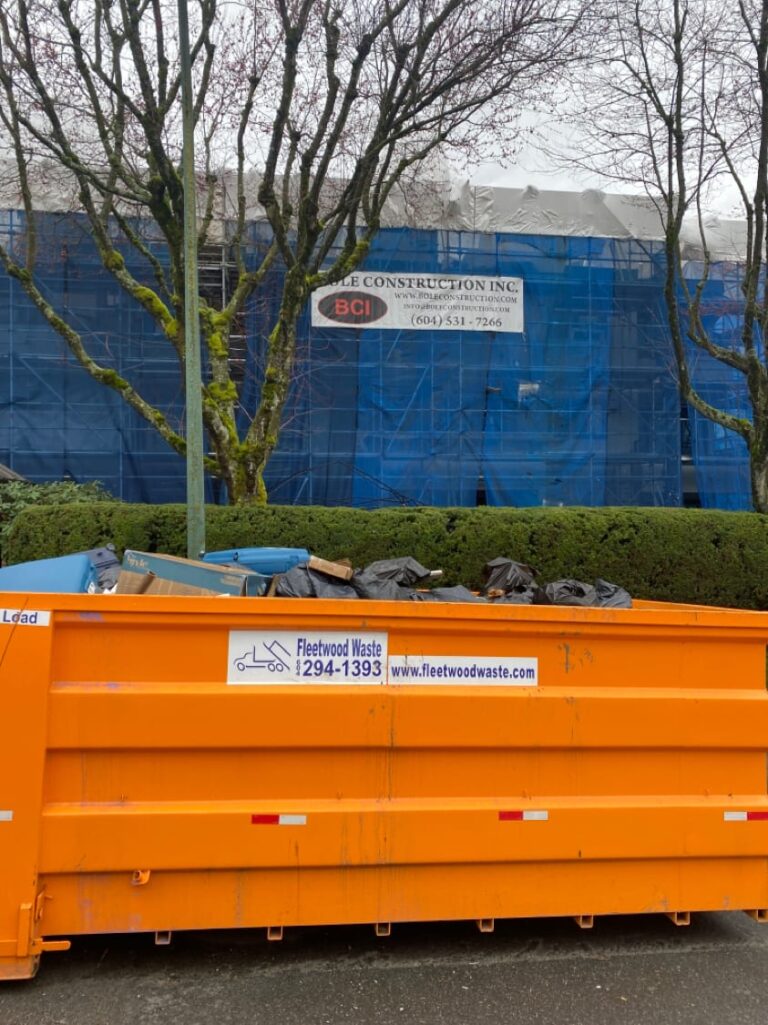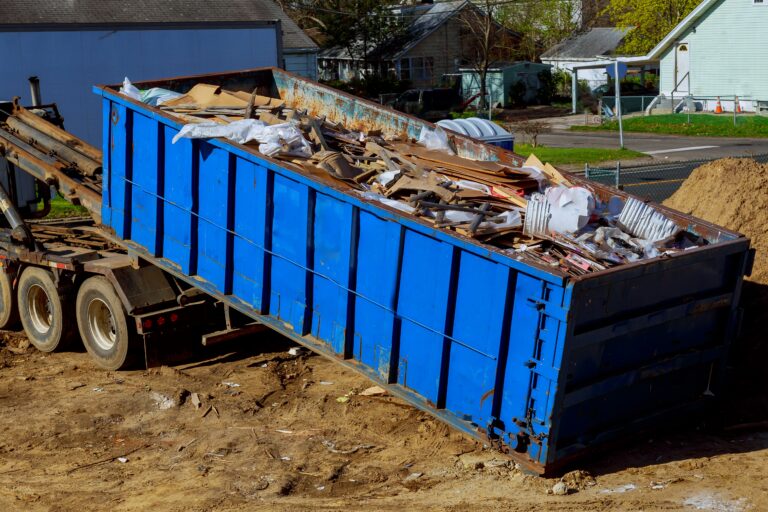
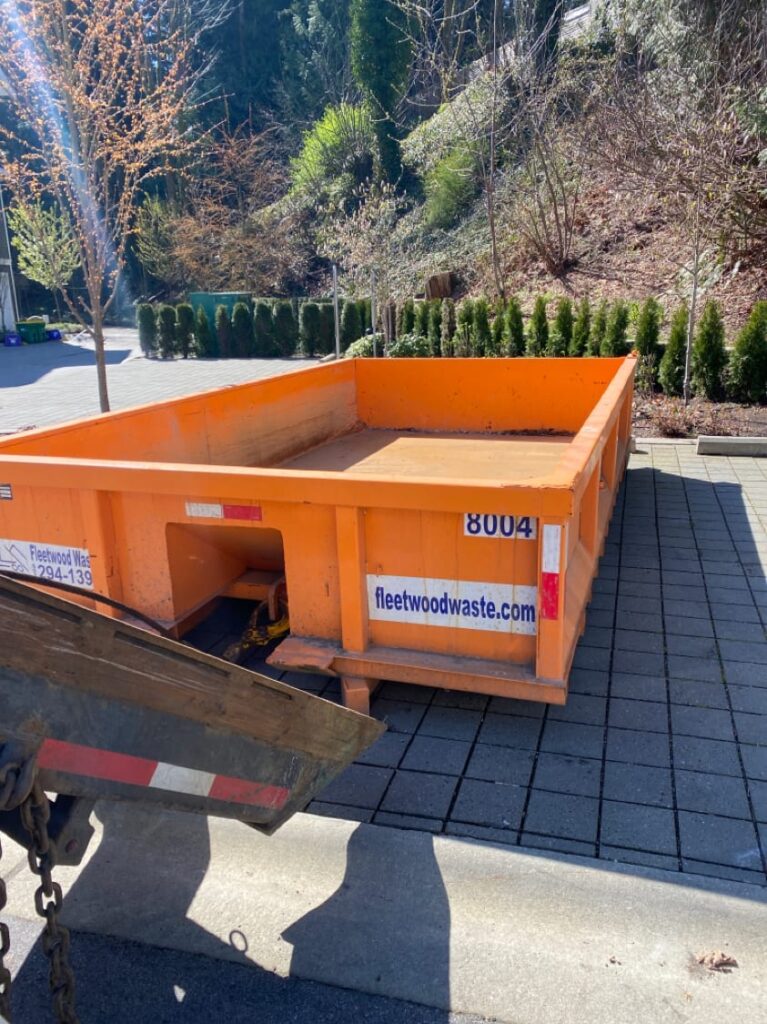
If you’ve ever renovated a kitchen, built a deck, or managed a construction site, you already know how quickly the mess adds up. Broken tiles, old drywall, wood scraps, and piles of concrete can take over your space before the project even finishes.
Figuring out how to dispose of construction waste safely and affordably isn’t just about tidying up — it’s about protecting the environment, avoiding fines, and keeping your project on track.
In this easy, step-by-step guide, we’ll walk you through the right way to handle construction waste disposal — whether you’re a homeowner tackling a small renovation or a contractor managing multiple job sites.
Step 1: Know What Counts as Construction Waste
Before you start hauling debris, take a moment to understand what you’re actually dealing with. Construction waste isn’t just “junk” — it’s a mix of materials that each need different handling.
Here are some examples:
- Concrete and bricks: From old foundations or driveways
- Wood and lumber: Leftover framing, pallets, or damaged boards
- Drywall and plaster: From wall demolitions
- Metals: Wires, pipes, or roofing sheets
- Glass: Windows or mirrors
- Plastics: Pipes, wrapping, or insulation
- Hazardous materials: Paints, solvents, and treated wood
Sorting these materials early makes it easier to recycle, reuse, or dispose of them correctly — and it usually lowers your disposal costs too.
Step 2: Sort and Separate Everything
Think of sorting as step one in good construction waste management. It takes a bit of effort upfront, but it saves headaches (and money) later.
Here’s a simple system:
- Set up different bins or piles for wood, concrete, metal, drywall, and mixed trash.
- Use clear labels so everyone on-site knows where things go.
- Keep hazardous materials separate — they can’t go into regular dumpsters.
- Try to keep recyclables dry and clean for easier processing.
If you’re running a larger site, consider designating one team member to oversee waste sorting. You’ll be surprised how much cleaner and more organized your workspace feels.
Step 3: Reuse and Recycle What You Can
One person’s junk can truly become another’s treasure. Instead of throwing everything away, see what can be reused or recycled.
- Concrete can be crushed and reused as gravel.
- Wood can become mulch or compost.
- Metal can be melted down for new products.
- Drywall can be recycled into fresh gypsum boards.
And if some materials are still in good shape — like doors, windows, or tiles — donate them to a reuse center or charity. Many local organizations, like Habitat for Humanity’s ReStore, will happily accept leftover building materials.
This kind of eco-friendly construction waste disposal not only keeps items out of landfills but also helps your community.
Step 4: Rent a Dumpster That Fits Your Project
For most projects, especially larger ones, a dumpster rental for construction waste is the easiest and most cost-effective solution.
Here’s a quick guide to help you choose:
| Dumpster Size | Ideal For | Example Project |
| 10-yard | Small home cleanups | Bathroom or small room remodel |
| 20-yard | Mid-size projects | Kitchen renovation, flooring |
| 30-yard | Large jobs | Roofing, home additions |
| 40-yard | Big commercial sites | Full demolitions |
When renting a dumpster:
- Ask what materials are accepted.
- Don’t overfill — bins have weight limits.
- Keep recyclables and hazardous waste separate.
- Look for a provider that promotes construction waste recycling and follows local disposal rules.
A reliable local company will handle pickup, sorting, and recycling for you, saving you both time and effort.
Step 5: Handle Hazardous Waste Carefully
Not everything can go into your regular dumpster. Items like paint, solvents, or asbestos need to be handled separately and safely.
Improper disposal can cause pollution and even lead to fines, so it’s worth doing this step correctly.
Check with your city or municipality for hazardous waste drop-off programs. Many communities host free collection days or have special recycling depots for these materials.
A good rule of thumb: If you’re unsure, don’t dump it. Ask your local waste authority first.
Step 6: Work With a Licensed Waste Disposal Company
If you’re managing a large construction site, it’s smart to hire professionals for building waste removal. A licensed company ensures everything is disposed of according to regulations — no shortcuts or surprises.
Here’s what to look for when choosing one:
- A valid waste carrier license
- Transparent, upfront pricing
- Clear recycling practices
- Good local reviews or testimonials
Working with a professional doesn’t just make your project easier — it also shows clients and regulators that you take construction waste management seriously.
Step 7: Keep Records for Accountability
For commercial projects, keeping records of what you recycled or disposed of is often a legal requirement. Even for homeowners, keeping disposal receipts can be helpful.
You might need:
- Dumpster or landfill receipts
- Recycling certificates
- Hazardous material documentation
These records prove your compliance with local waste laws and show that your project was completed responsibly.
Step 8: Plan Better for the Next Project
Once your project is done, take a few minutes to review what worked and what didn’t. Did you rent the right bin size? Were materials properly sorted? Could you have recycled more?
Each project teaches you something new. By improving your waste management plan next time, you’ll save time, money, and reduce your environmental footprint.
That’s what sustainable construction waste management is all about — progress, not perfection.
Frequently Asked Questions
What’s the best way to dispose of construction waste?
The best way is to sort your materials, recycle where possible, and use a licensed waste removal or dumpster service for what’s left.
Can I put construction waste in my household bin?
No, household bins aren’t made for heavy or hazardous materials. Always use a proper construction dumpster rental or local disposal facility.
How much does a construction waste dumpster cost?
View city pricing or request a written quote for your bin, material and delivery address.
What materials can be recycled from construction debris?
Concrete, wood, metal, glass, and drywall can all be recycled — just keep them clean and sorted.
Is recycling construction waste really worth it?
Yes. Recycling reduces landfill use, lowers your disposal costs, and supports a cleaner environment.
Conclusion
Proper construction waste disposal isn’t just about cleaning up — it’s about doing things responsibly. Sorting your materials, renting the right dumpster, and recycling what you can will make your project smoother, safer, and more sustainable.
Whether you’re a contractor or a DIY renovator, taking these simple steps shows that you care about your work, your community, and the planet.
If you’re planning a project in Vancouver, Surrey, Burnaby, or nearby areas, and need help managing your debris, reach out to a trusted construction waste disposal and dumpster rental company in your area. They’ll help you pick the right bin, manage your waste efficiently, and ensure everything is handled responsibly.
Need help managing your construction waste?
Contact your local dumpster rental experts today for a quick quote. Get the right bin for your project, handle your waste responsibly, and keep your site clean — the right way.
Confirm your Fleetwood rental
Rock boxes used for dirt or concrete include three days. Mixed-waste bins include five days. Contact Fleetwood before the agreed pickup if you need an extension, and confirm the additional-day charge and revised collection date in your written quote.
Pricing depends on your delivery city, bin, material and load. Confirm the included weight, loading limits and any applicable charges before booking. Drywall requires a separate drywall-only bin; concrete and dirt require a suitable separate container.