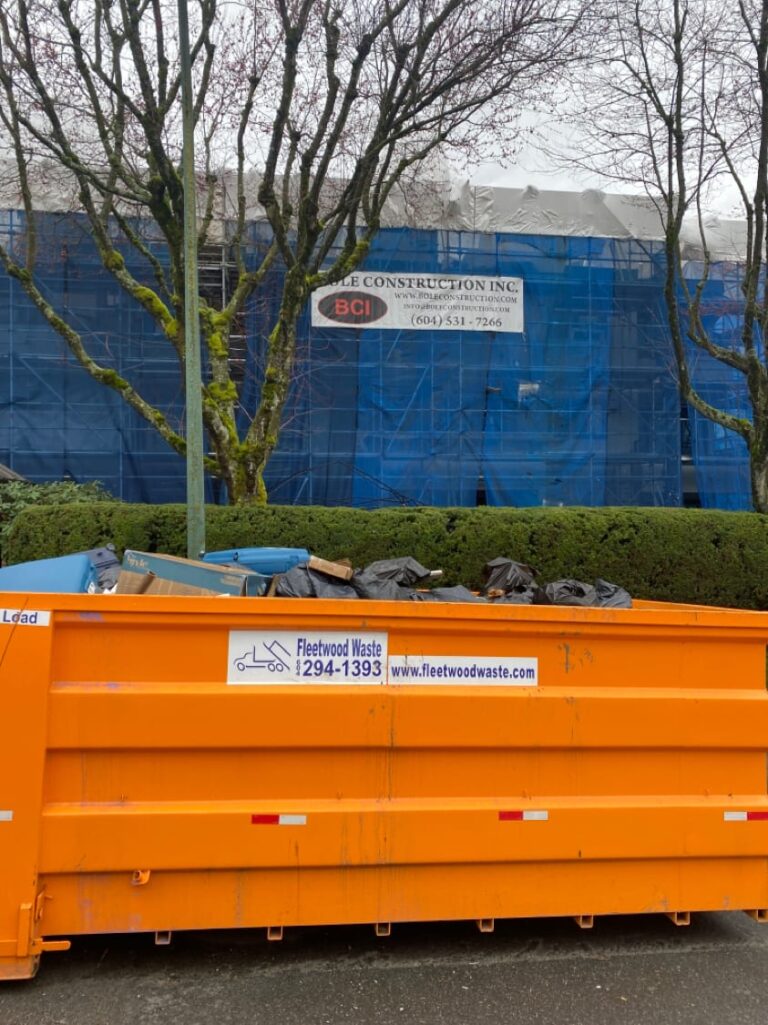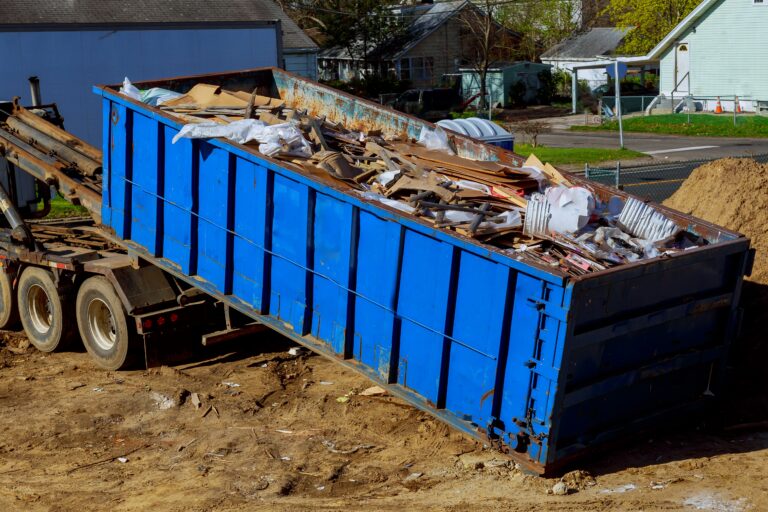
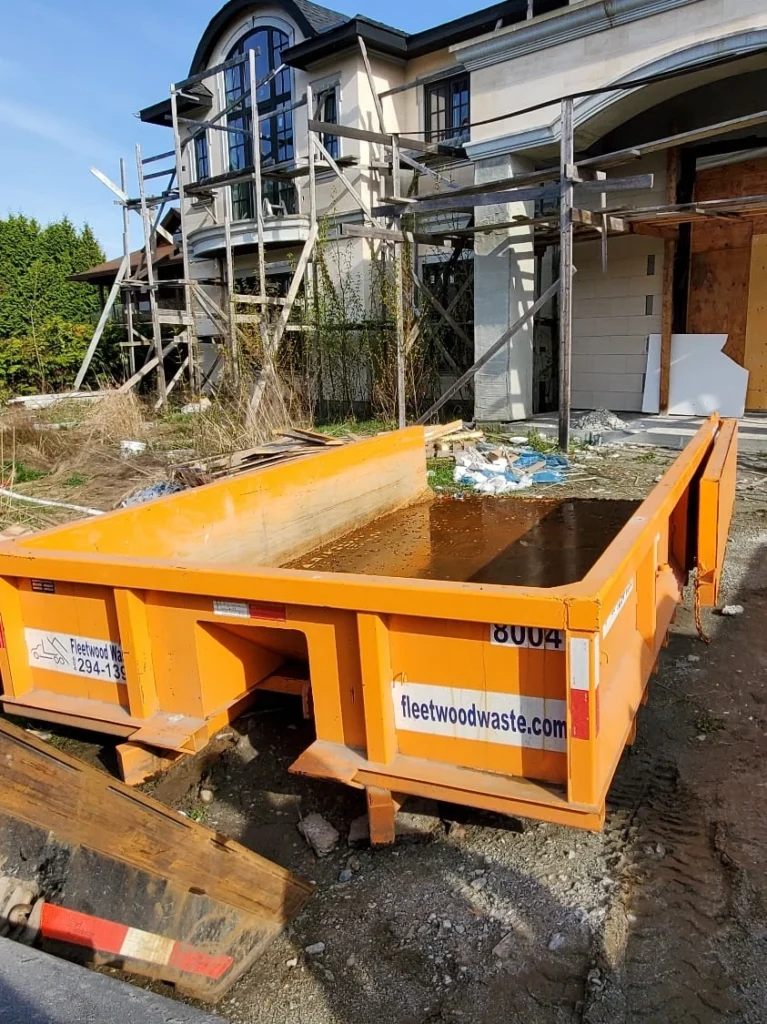
Construction projects—big or small—create a lot of waste. Old drywall, wood, concrete, metal, tiles, and packaging can pile up fast. If this waste is not handled the right way, it can harm the environment, cause safety issues, and even lead to fines. This guide explains how to dispose of construction waste the right way.
What Is Construction Waste?
Construction waste is any material left over after building, renovating, or demolishing a structure.
Common types include:
- Concrete, bricks, and asphalt
- Wood, plywood, and pallets
- Drywall and insulation
- Metals like steel and aluminum
- Tiles, roofing shingles, and glass
- Packaging materials (plastic wrap, cardboard)
Some materials are recyclable, while others must go to approved disposal sites.
Why Proper Construction Waste Disposal Matters
Disposing of construction waste the right way is important for several reasons:
1. Protects the Environment
Improper dumping can pollute land, water, and air. Recycling reduces landfill use and saves natural resources.
2. Keeps Your Site Safe
Waste piles increase the risk of injuries, fires, and accidents on construction sites.
3. Follows Local Laws
Many cities have strict rules about how construction debris must be disposed of. Fines can be expensive.
4. Improves Your Professional Image
Clean, well-managed sites build trust with clients and inspectors.
Step-by-Step: How to Dispose of Construction Waste the Right Way
Step 1: Identify the Type of Waste
Before disposal, separate materials into categories:
- Recyclable (metal, clean wood, concrete)
- Non-recyclable (mixed debris)
- Hazardous (paint, asbestos, chemicals)
This step helps reduce costs and improve recycling rates.
Step 2: Separate and Sort Waste on Site
Sorting waste at the source makes disposal easier and cheaper.
Best practice:
- Use separate piles or bins for wood, metal, and mixed waste
- Keep hazardous waste away from general debris
- Label bins clearly
Many recycling centres accept sorted materials at lower fees.
Step 3: Use a Construction Bin Rental
For most projects, Construction Bin Rental is the easiest and most reliable solution.
What Is a Construction Bin Rental?
A construction bin (also called a dumpster or roll-off bin) is delivered to your site. You fill it with waste, and the provider picks it up and disposes of the contents properly.
Benefits of Construction Bin Rental:
- Keeps the site clean and organized
- Saves time and labour
- Handles large volumes of debris
- Ensures legal disposal
- Available in multiple sizes (10-yard, 20-yard, 40-yard)
This option is ideal for renovations, roofing projects, new builds, and demolitions.
Step 4: Recycle Whenever Possible
Many construction materials can be recycled:
- Concrete & bricks: crushed and reused as base material
- Metal: melted and reused
- Clean wood: reused or processed into mulch
- Cardboard: recycled at paper facilities
Recycling lowers landfill use and often reduces disposal costs.
Step 5: Handle Hazardous Waste Carefully
Some construction waste needs special handling:
- Paints and solvents
- Asbestos-containing materials
- Adhesives and sealants
- Treated wood
- Chemical containers
These items must never go into regular bins. Contact licensed hazardous waste facilities for safe disposal.
Step 6: Follow Local Disposal Rules
Every city has different waste disposal regulations. These rules may include:
- Permit requirements for bins
- Weight limits
- Restrictions on certain materials
- Approved landfill or recycling locations
Working with a professional bin rental company helps ensure compliance.
Choosing the Right Construction Bin Size
Choosing the right bin size prevents overfilling and extra fees.
General guide:
- 10-yard bin: small renovations, garage cleanouts
- 20-yard bin: kitchen remodels, roofing projects
- 30-yard bin: large renovations, commercial work
- 40-yard bin: demolition and major construction
If unsure, ask your bin rental provider for guidance.
Common Mistakes to Avoid
Avoid these common errors:
- Mixing hazardous waste with general debris
- Overfilling bins beyond the fill line
- Dumping waste illegally
- Choosing the wrong bin size
- Ignoring recycling options
These mistakes can lead to fines, delays, and safety risks.
Environmental Benefits of Proper Construction Waste Disposal
Doing it right helps everyone:
- Less waste in landfills
- Lower carbon footprint
- Better use of recycled materials
- Cleaner communities
- Support for sustainable construction practices
Many clients now prefer contractors who follow eco-friendly methods.
Frequently Asked Questions
What is the best way to dispose of construction waste?
The best method is Construction Bin Rental, combined with sorting and recycling materials whenever possible.
Can construction waste go in regular trash bins?
No. Construction debris is usually too heavy and bulky for household bins and is often not allowed.
Is construction waste recyclable?
Yes. Materials like metal, concrete, wood, and cardboard can often be recycled.
What happens if I dispose of waste illegally?
Illegal dumping can lead to heavy fines, project delays, and legal trouble.
How long can I keep a construction bin?
Fleetwood’s 10-, 20-, 30- and 40-yard mixed-waste bins include five days. The 8- and 10-yard rock boxes used for dirt or concrete include three days. Confirm any extension charges and revised pickup arrangements with the team.
Best Practices for Contractors and Homeowners
- Plan waste disposal before starting the project
- Use labelled bins
- Train workers on waste separation
- Choose licensed disposal partners
- Track waste reduction efforts
These steps improve efficiency and compliance.
Final Thoughts: Dispose Smart, Build Responsibly
Proper construction waste disposal is not just about cleanup—it is about responsibility. By sorting waste, recycling materials, and using Construction Bin Rental, you protect the environment, follow the law, and keep your project running smoothly.
Whether you are a homeowner or a professional contractor, the right waste management plan saves time, money, and stress.
Planning a renovation or construction project?
Choose a reliable Construction Bin Rental service to keep your site clean, safe, and compliant.
Contact a professional bin rental provider today to get the right bin size, fair pricing, and responsible waste disposal for your project.
Confirm your Fleetwood rental
Rock boxes used for dirt or concrete include three days. Mixed-waste bins include five days. Contact Fleetwood before the agreed pickup if you need an extension, and confirm the additional-day charge and revised collection date in your written quote.
Pricing depends on your delivery city, bin, material and load. Confirm the included weight, loading limits and any applicable charges before booking. Drywall requires a separate drywall-only bin; concrete and dirt require a suitable separate container.