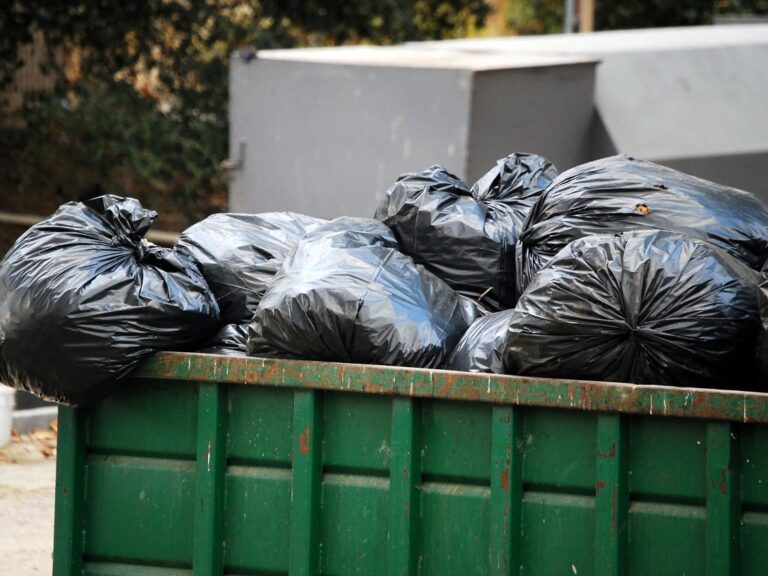
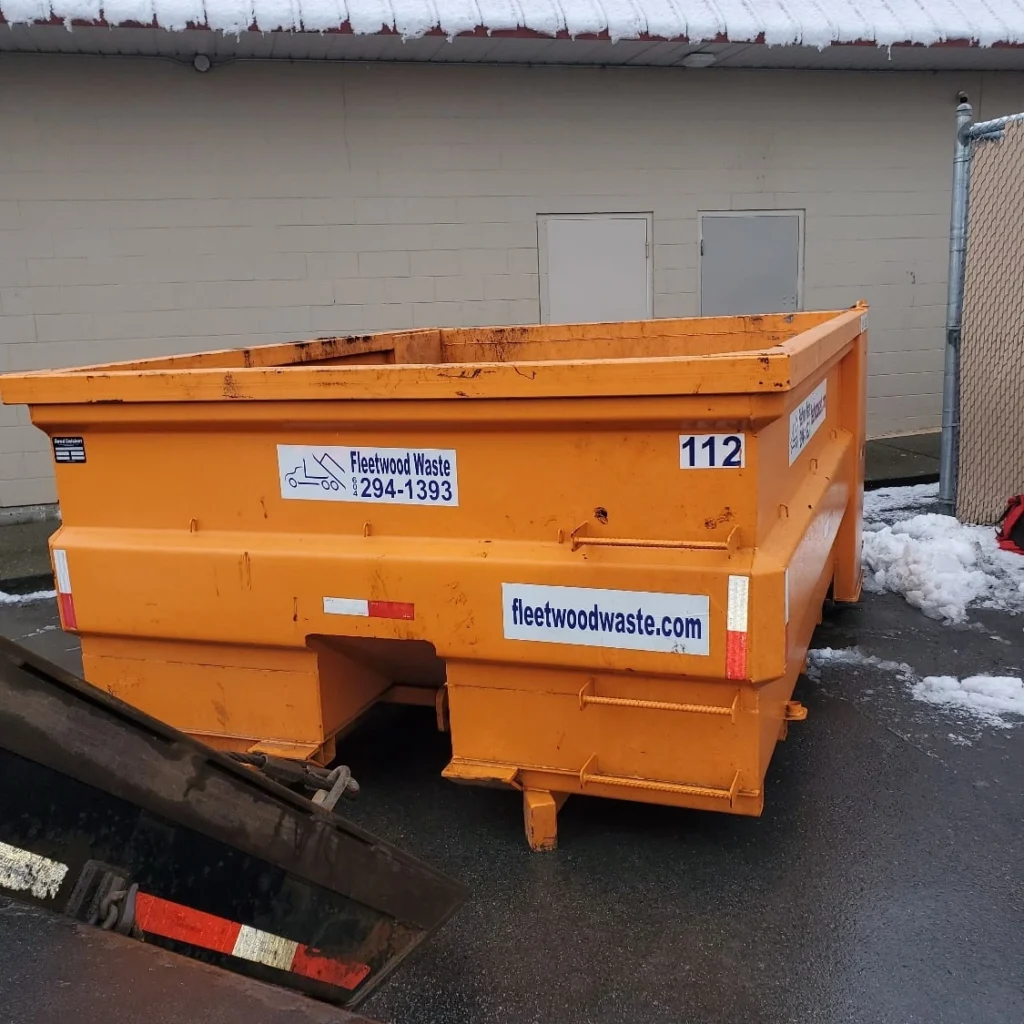
Fleetwood mixed-waste bins can take approved wood, cabinets, flooring, furniture and suitable renovation debris. Keep drywall in a separate drywall-only bin and use an appropriate rock box for approved dirt or concrete. Hazardous waste, chemicals, batteries, appliances, electronics and food waste must stay out of mixed-waste bins. See Bin rentals.
Why Renovation Waste Is a Big Deal?
Renovation Means Big Mess
Even small home makeovers can produce a shocking amount of waste. Just replacing kitchen cabinets? You’ll be surprised by the stack of debris in your driveway.
Why You Can’t Just Toss It All in the Trash?
Regular trash bins can’t handle construction debris. Most cities have rules about what you can dump, and materials like drywall, concrete, and wood need proper disposal. Ignoring that could lead to fines—or worse, a visit from bylaw officers.
Know Your Renovation Waste
Common Types of Renovation Waste
Let’s break it down. Not all waste is created equal, and knowing what you’ve got makes bin rental way easier.
Wood and Lumber
Old studs, flooring, or cabinets. Often recyclable or reusable.
Drywall and Plaster
Bulky and dusty. Needs a sturdy bin to contain the mess.
Concrete and Bricks
Super heavy. You’ll need a specialized bin for this.
Tiles and Flooring
Can be sharp or fragile. Load with care.
Metals and Pipes
Often recyclable. Keep these separate if possible.
Insulation, Wires, and Roofing Waste
Usually landfill-bound, unless properly sorted.
What’s Hazardous and What’s Not
Some materials—like asbestos, old paint, or chemicals—are considered hazardous waste and can’t go in regular bins. Always check with your bin rental provider about what’s safe to toss.
Why Bin Rentals Make Life So Much Easier
Ditch the Dump Runs
Imagine loading up your car with dirty debris, driving to the landfill, waiting in line, and doing it again the next day. Sounds awful, right? A bin rental means no dump runs—they drop it off and pick it up.
Keep Your Site Clean and Safe
Scattered nails, splintered wood, and broken tiles? That’s a recipe for injury. Having a central bin keeps your reno area clean and safe.
Sort, Load, Done!
Throw in your waste as you go. No need to stockpile or worry about overflow. Just rent the right size, and you’re golden.
Choosing the Right Bin for Your Project
What Bin Sizes Are Available?
Most providers offer:
- 10-yard bins (for small cleanups)
- 20-yard bins (perfect for kitchen or bathroom renos)
- 30-yard bins (for full-house projects)
- 40-yard bins (for big commercial jobs)
How to Pick the Right Size
Ask yourself:
- How big is the project?
- How much waste do I expect?
- Can I break down materials to save space?
Pro tip: It’s better to go slightly bigger than too small.
What If You Pick the Wrong One?
If your bin’s too small, you’ll either need a second one or pay for overflow. If it’s too big, you might overpay. Many providers help you estimate—just ask!
Types of Bins You Can Rent
Roll-Off Bins
These are the most common. They roll off the back of a truck and sit in your driveway or yard.
Walk-In Bins
Easier for heavy or bulky items. Just walk in with a wheelbarrow and dump.
Covered Bins
Great for long projects or bad weather. Keeps rain, snow, and critters out.
Specialized Bins
For concrete, roofing, or yard waste. Designed to handle specific materials safely and efficiently.
Renting a Bin – Step-by-Step Process
Step 1 – Estimate Your Waste
Look at your renovation plans. How much are you demolishing?
Step 2 – Choose Your Bin Type and Size
Talk to a provider or use their size estimator tool online.
Step 3 – Book It Online or Call
Most companies offer easy online booking. You choose your dates, bin size, and location.
Step 4 – Delivery and Placement
They’ll drop it where you want—just make sure there’s space.
Step 5 – Load It Up and Call for Pickup
Once your job’s done, schedule a pickup. Done and dusted!
What You Can and Can’t Throw in the Bin
Allowed Items
- Wood
- Drywall — separate drywall-only bin; keep out of mixed-waste loads.
- Metal
- Tile
- Insulation
- Cabinets
- Flooring
Restricted or Hazardous Waste
- Paints and solvents
- Asbestos
- Batteries
- Electronics — keep out of Fleetwood rental bins.
- Propane tanks
Tips for Sorting Smartly
Use a label system or colour code for recyclable vs. trash items. Some folks even rent two bins—one for recycling, one for general waste.
How Much Does a Bin Rental Cost?
Factors That Affect Price
- Bin size
- Weight of waste
- Rental duration
- Location (delivery fees)
Hidden Fees to Watch Out For
- Overfilling penalties
- Extra days
- Unauthorized items
Tips to Save Money
- Don’t overfill
- Pick the right bin size
- Schedule pickups on time
- Ask about bundle deals
Where to Place Your Bin for Maximum Convenience?
Driveway? Curb? Front Yard?
Your driveway is best—but make sure it’s clear. If space is tight, curb placement may work, but…
Watch Out for City Permits
In Vancouver and many cities, you may need a permit to place a bin on public property (like the street or sidewalk). Check first!
Renovation Waste Disposal Tips for Homeowners
Don’t Overload the Bin
Going above the bin’s rim can lead to extra fees or safety issues.
Break Things Down to Save Space
A sledgehammer is your best friend. Smaller pieces = more room.
Load Heavy Items First
Start with concrete or tile at the bottom. Lighter items go on top for safer transport.
Eco-Friendly Renovation Waste Solutions
Reuse or Donate What You Can
Cabinets, doors, or fixtures in good shape? Donate to places like Habitat for Humanity.
Recycle Wood, Metal, and Drywall
Don’t let everything go to the landfill. Many items can be recycled locally.
Keep Landfills Lighter
Less waste in landfills = a better planet. Plus, some recycling options are free!
Local Bin Rental Services in Vancouver Area
Looking for help in the Lower Mainland? Here are some cities with great bin rental providers:
Vancouver
Wide range of sizes and fast pickup options.
Surrey
Many eco-friendly options available.
Langley
Perfect for suburban homes and contractors.
Burnaby
Competitive pricing and same-day delivery.
North Vancouver
Great for homeowners with limited space.
Mistakes to Avoid When Renting a Bin
Picking the Wrong Size
Going too small usually costs more later.
Ignoring Weight Limits
Bins have limits. Exceeding them can lead to extra fees.
Tossing in the Wrong Stuff
Keep hazardous waste, chemicals, batteries, appliances and electronics out of Fleetwood bins. Tires require advance review and a surcharge.
Final Tips for Stress-Free Renovation Waste Removal
Plan Ahead
Book your bin before the demo starts.
Ask the Right Questions
Like: “What’s the weight limit?” “Are there overage charges?” “Do I need a permit?”
Use Labels and Signs for Sorting
Make it easy for everyone on-site to toss things in the right bin.
FAQs
1. How long can I keep a rental bin?
Fleetwood’s 10-, 20-, 30- and 40-yard mixed-waste bins include five days. The 8- and 10-yard rock boxes used for dirt or concrete include three days. Confirm any extension charges and revised pickup arrangements with the team.
2. Can I mix renovation and household waste in one bin?
Yes, but it depends on the provider. Check first—some prefer sorted waste.
3. What happens if my bin is too full?
You may face extra charges or need a second bin. Avoid overfilling past the rim.
4. Do I need a permit for my dumpster bin?
If the bin sits on a public road or sidewalk, yes. Always check with your city.
5. What if I finish early or need more time?
Most providers are flexible—just call them to arrange early pickup or extend the rental.
Conclusion
Home renovations are exciting—but the waste? Not so much. Luckily, bin rentals make cleanup simple, safe, and stress-free. Whether you’re remodelling a bathroom or redoing an entire house, renting the right bin means you focus on the fun part—and leave the junk behind.
Remember, size matters, safety counts, and eco-friendly options help everyone. So grab that bin, toss in the debris, and watch your dream space come to life—mess-free.
Call Us Now or Request A Free Quote!
Confirm your Fleetwood rental
Rock boxes used for dirt or concrete include three days. Mixed-waste bins include five days. Contact Fleetwood before the agreed pickup if you need an extension, and confirm the additional-day charge and revised collection date in your written quote.
Pricing depends on your delivery city, bin, material and load. Confirm the included weight, loading limits and any applicable charges before booking. Drywall requires a separate drywall-only bin; concrete and dirt require a suitable separate container.