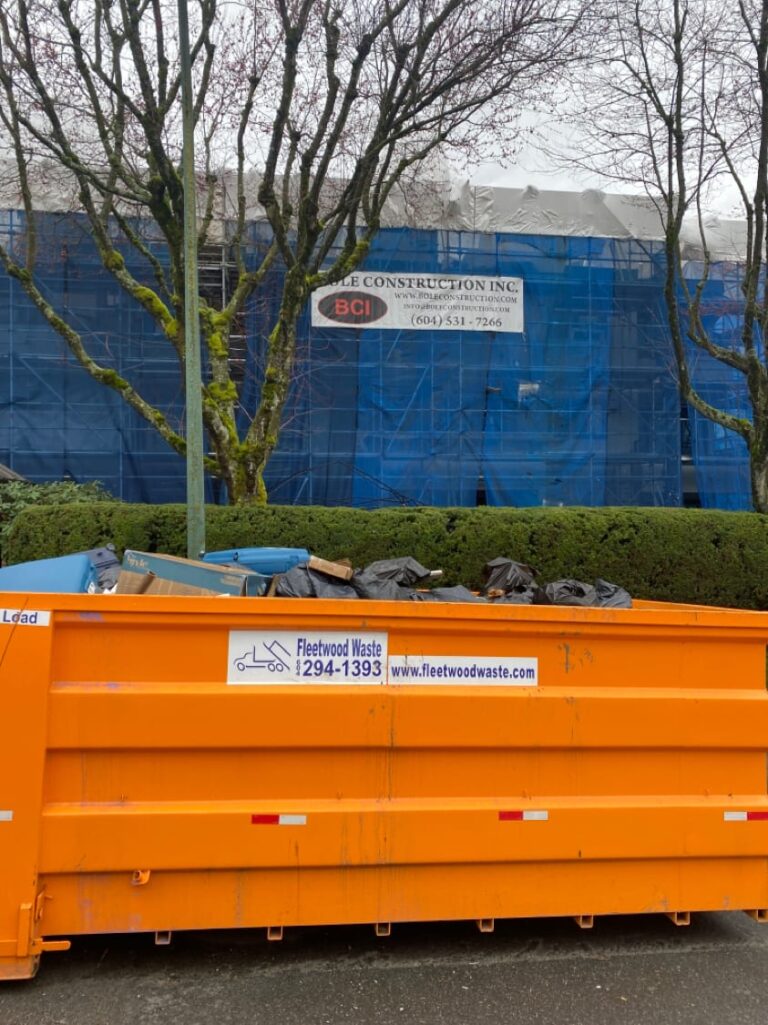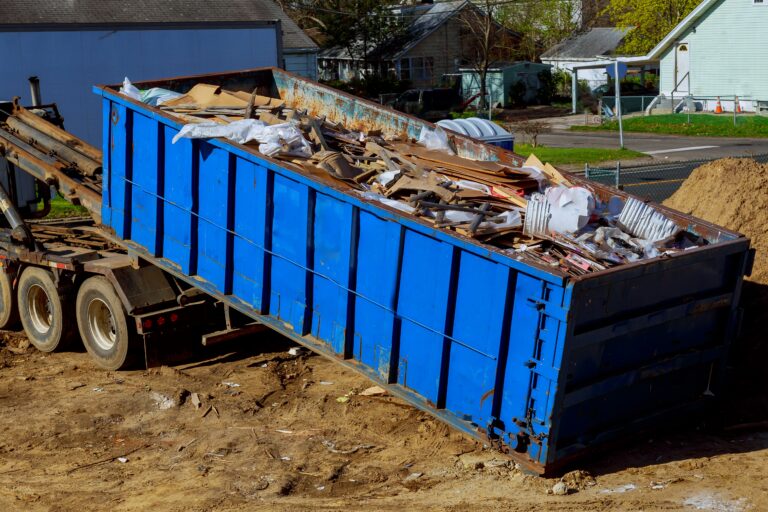
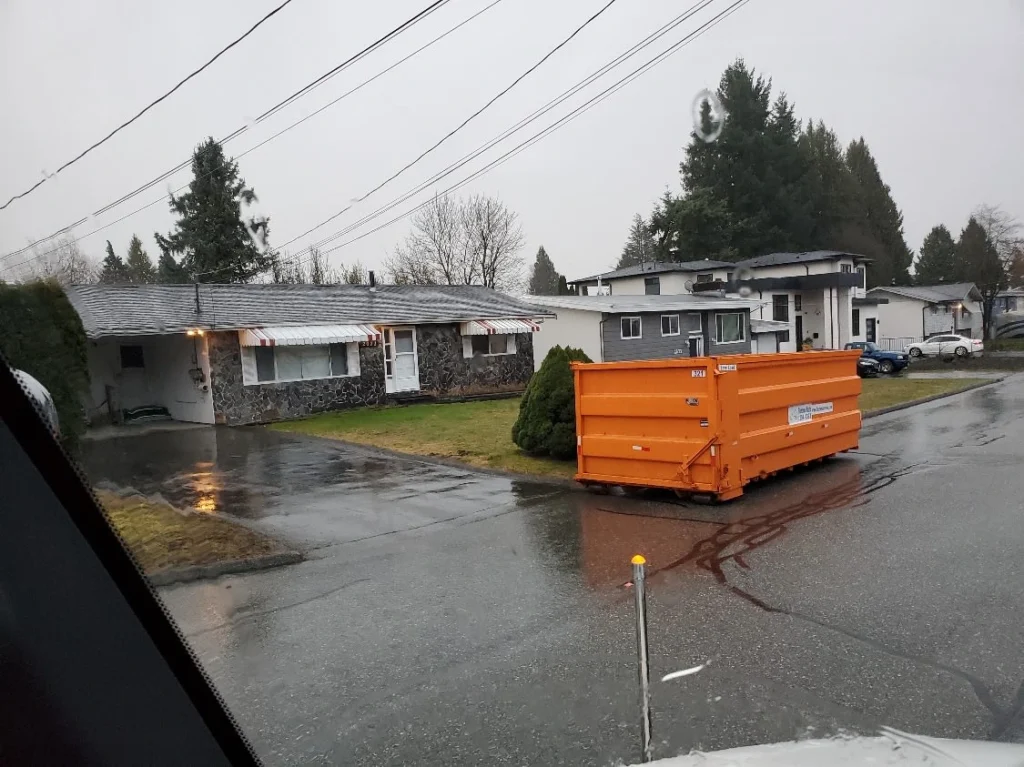
Renting a construction dumpster in Vancouver or Surrey is a smart way to keep your job site clean and safe. But if you’re not careful, you could waste space, pay extra fees, or throw away materials that could be reused or recycled. With the right approach, you can reduce waste, save money, and make your project more eco-friendly.
This guide shares practical tips on how to get the most from your construction bin rental while keeping costs and waste under control.
1. Choose the Right Dumpster Size
One of the most common mistakes people make is picking the wrong size dumpster.
-
Too big? You pay for unused space.
-
Too small? You may need to rent another one.
General size guide:
-
10-Yard Bin – Small home renovations or landscaping.
-
20-Yard Bin – Kitchen remodels and medium projects.
-
30-Yard Bin – Major renovations or larger construction.
-
40-Yard Bin – Large construction and demolition jobs.
Picking the right size disposal bin rental will help you avoid unnecessary costs.
2. Sort Your Waste Before Dumping
Don’t just toss everything into your dumpster. Many materials can be recycled or reused.
Sorting tips:
-
Recycle: Wood, concrete, metal, and cardboard.
-
Donate: Doors, cabinets, and fixtures in good shape.
-
Dispose safely: Hazardous waste like paint or chemicals should go to approved facilities.
Ask your bin rental provider if they offer recycling options—it can save you time and money.
3. Break Down Large Items
Large objects take up too much space. Breaking them down helps you fit more into the dumpster.
Smart space-saving tips:
-
Cut drywall and wood into smaller pieces.
-
Flatten cardboard.
-
Stack items neatly.
This simple step helps you reduce the number of dumpster loads needed.
4. Avoid Dumping Restricted Items
Most garbage bin rental companies have rules. Ignoring them can mean fines or extra fees.
Common restricted items:
-
Hazardous chemicals
-
Paints and solvents
-
Batteries and electronics
-
Tires and appliances
Always confirm with your rental company before tossing questionable materials.
5. Plan for Reuse and Recycling
A lot of construction materials don’t belong in the landfill.
Examples:
-
Wood – Can be used for furniture or mulch.
-
Metal – Can be sold as scrap.
-
Concrete/Bricks – Can be crushed and reused.
If you don’t need them, donate or drop them off at a recycling center.
6. Load the Dumpster Efficiently
How you load your dumpster makes a big difference.
Best practices:
-
Put heavy materials at the bottom.
-
Fill gaps with smaller items.
-
Avoid random tossing.
A well-packed dumpster reduces the risk of needing another rental.
7. Schedule Your Dumpster Rental Wisely
Timing matters. Renting too early or too late can cause problems.
Tips for scheduling:
-
Match rental dates to your project timeline.
-
Avoid long-term rentals that add extra costs.
-
Choose companies with flexible rental options.
8. Work with a Reliable Dumpster Rental Company
Not all bin rental providers are the same. A good company helps you save money and stay eco-friendly.
What to look for:
-
Transparent pricing (no hidden fees).
-
Multiple bin sizes.
-
Recycling services.
-
Flexible rental terms.
A trusted company makes waste management easier for your project.
Frequently Asked Questions
Q1. How do I choose the right dumpster size for my construction project in Vancouver or Surrey?
The right dumpster size depends on your project. A 10-yard bin is good for small home cleanups, a 20-yard works for kitchen remodels, a 30-yard is best for large renovations, and a 40-yard is for big demolition jobs. Choosing the right size helps you save money and avoid renting more than you need.
Q2. What items should not go into a construction dumpster rental?
Restricted items usually include hazardous chemicals, paint, batteries, tires, and electronics. These need special disposal and cannot go into regular dumpsters. Always ask your rental company for a full list before loading your bin.
Q3. Can I recycle or reuse materials instead of dumping them?
Yes. Many materials from construction sites can be recycled or reused. Wood can be turned into mulch or furniture, metal can be sold as scrap, and concrete or bricks can be crushed for landscaping. Donating reusable items like cabinets or doors is another great option.
Q4. How can I maximize space in my dumpster rental?
To save space, break down large items like drywall and wood, flatten cardboard boxes, and place heavy items at the bottom. Fill empty gaps with smaller materials. This helps you fit more into your bin and reduce the number of rentals.
Q5. When is the best time to schedule a dumpster rental for a construction project?
The best time is when your project generates the most debris. Renting too early can lead to unnecessary fees, while renting too late can cause piles of waste on-site. Plan your rental dates around your project schedule and ask your provider about flexible options.
Conclusion
Reducing waste with a construction dumpster in Vancouver or Surrey isn’t just good for the planet—it’s also good for your wallet. By choosing the right bin size, sorting materials, and loading efficiently, you can cut costs and keep your project running smoothly.
Looking for a construction bin rental in Vancouver or Surrey? Contact us today for affordable, eco-friendly bin rental services. Get a free quote now!