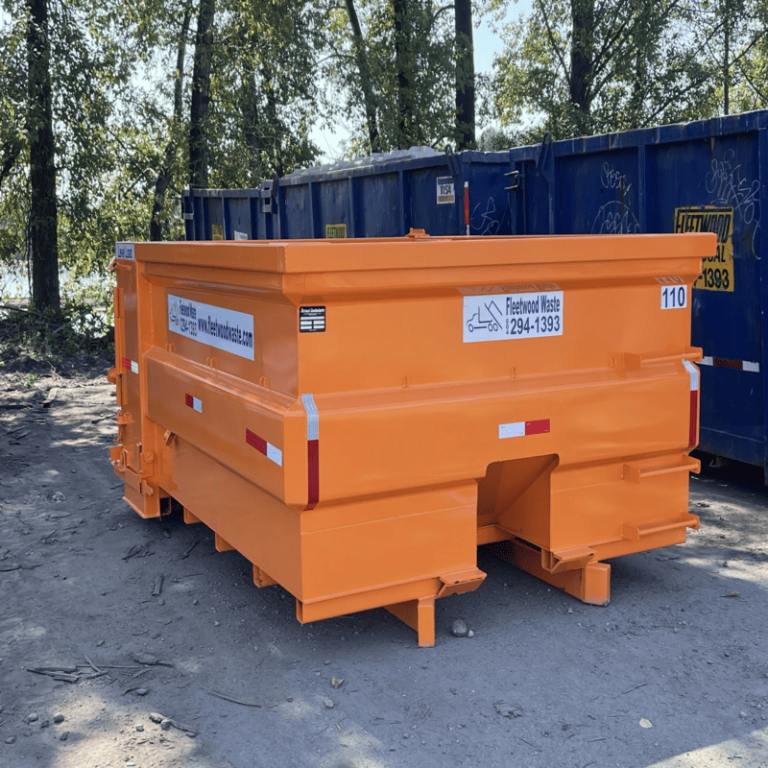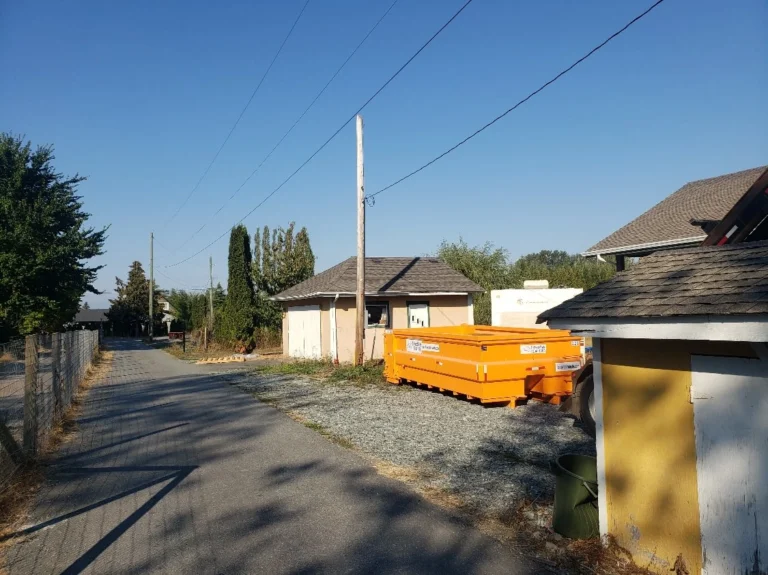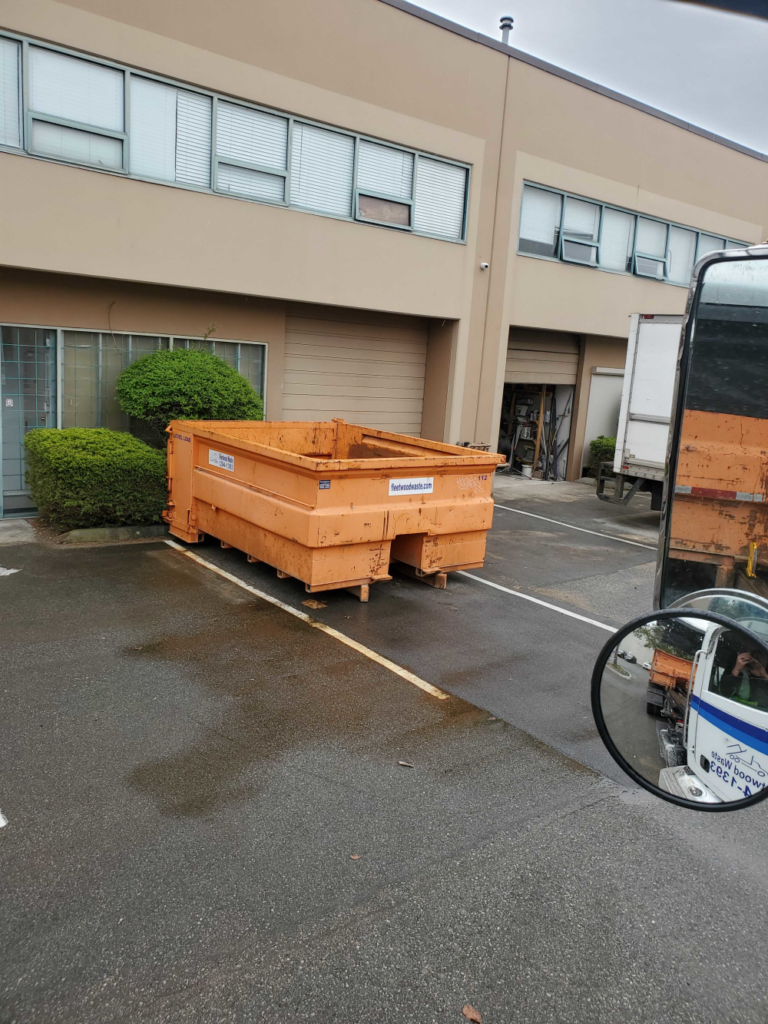
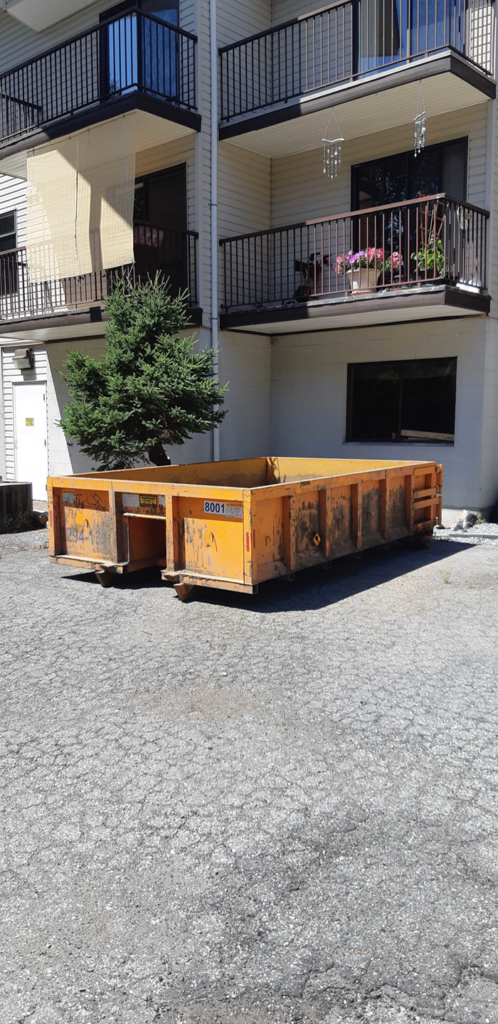
Mini Bin Magic: When a Small 3-Yard or 8-Yard Dumpster is All You Need
If you’re planning a small clean-up, home project, or light renovation, you may be wondering: Do I really need a big dumpster?
A 3-yard or 8-yard dumpster—often called a mini bin—can handle more than people expect. These small dumpsters are affordable, easy to place, and perfect for everyday projects. This guide explains when a small dumpster is enough, what fits inside, how to choose the right size, and how to save money.
What Is a Mini Dumpster?
A mini dumpster is a small waste container used for light cleanup jobs. The most common sizes are:
- 3-yard dumpster
- 8-yard dumpster
They are smaller than standard roll-off dumpsters and are often used for short projects, small spaces, or limited waste.
3-Yard Dumpster: Best for Very Small Projects
A 3-yard dumpster holds about 3 cubic yards of waste. That equals roughly 9 large trash bags.
Dimensions (approx.)
- 6 ft long × 4 ft wide × 4 ft high
What a 3-yard dumpster is good for:
- Small garage or shed cleanouts
- Yard debris (leaves, branches)
- Office trash cleanup
- One room decluttering
- Small bathroom refresh (no heavy debris)
What usually fits:
- Old boxes and packaging
- Light furniture
- Drywall scraps
- Small appliances (check rules)
Best choice if you want the cheapest dumpster for a short job.
8-Yard Dumpster: Small but Powerful
An 8-yard dumpster holds about 8 cubic yards of waste. That’s similar to 24 trash bags.
Dimensions (approx.)
- 6–7 ft long × 6 ft wide × 5–6 ft high
What an 8-yard dumpster is good for:
- Full garage cleanouts
- Small kitchen or bathroom remodels
- Flooring removal (carpet, vinyl)
- Yard cleanups with branches and soil
- Small roofing jobs
What usually fits:
- Old cabinets
- Carpet and padding
- Fence panels
- Furniture
- Construction debris (light to medium)
Ideal balance of size and value for homeowners.
When a Small Dumpster Is All You Need
A mini bin is perfect if:
- Your project lasts 1–3 days
- Waste comes from 1–3 rooms
- You have limited driveway space
- You want a lower rental cost
- You don’t want permits or street placement
Common use cases:
- Home decluttering
- Estate cleanouts (small homes)
- Minor renovations
- Office cleanups
- Landscaping projects
If your project does not involve heavy materials like concrete or large roofing loads, a small dumpster usually works.
3-Yard vs 8-Yard Dumpster: Quick Comparison
| Feature | 3-Yard Dumpster | 8-Yard Dumpster |
| Best for | Very small jobs | Small to medium jobs |
| Bag capacity | ~9 bags | ~24 bags |
| Space needed | Very small | Small |
| Cost | Lowest | Moderate |
| Flexibility | Limited | More versatile |
Tip: If you’re unsure, choose the 8-yard dumpster. It reduces the risk of overfilling.
What You Can and Cannot Put in a Mini Dumpster
Allowed items:
- Household junk
- Furniture
- Yard waste
- Wood and drywall
- Clothing and boxes
Not allowed (varies by provider):
- Paint and chemicals
- Batteries
- Tires
- Asbestos
- Hazardous waste
Always ask your dumpster rental company for a restricted item list.
How to Choose the Right Mini Dumpster Size
Ask yourself these questions:
- How many rooms am I cleaning?
One room = 3-yard
Multiple rooms = 8-yard - What materials am I throwing away?
Light items = 3-yard
Mixed or bulky items = 8-yard - How much space do I have?
Tight space = 3-yard
Driveway or yard = 8-yard - Do I want to avoid a second haul?
If yes, go with 8-yard.
Cost Breakdown: Small Dumpster Rental
Prices vary by location, but typical costs are:
- 3-yard dumpster rental: Lower cost, best for tight budgets
- 8-yard dumpster rental: Slightly higher, but better value per yard
Most rentals include:
- Delivery
- Pickup
- Disposal
- Short rental period (3–7 days)
A small dumpster can save money compared to junk removal services, especially if you want time to sort items.
Environmental Benefits of Small Dumpsters
Using the right-sized dumpster helps:
- Reduce landfill waste
- Improve sorting and recycling
- Lower fuel use from extra trips
- Encourage responsible disposal
Many providers sort materials after pickup to recycle wood, metal, and cardboard.
Common Mistakes to Avoid
- Overfilling above the rim
- Guessing weight limits
- Putting banned items inside
- Choosing the smallest size just to save money
Overfilled dumpsters may lead to extra fees or pickup delays.
Frequently Asked Questions
Is a 3-yard dumpster enough for a garage cleanout?
Yes, if the garage is small and has mostly light items. Otherwise, choose an 8-yard dumpster.
Can a small dumpster handle renovation waste?
Yes. An 8-yard dumpster works well for light renovations like cabinets, flooring, and drywall.
Do I need a permit for a mini dumpster?
Usually no if it’s on private property like a driveway. Street placement may need a permit.
How long can I keep a mini dumpster?
Most rentals include 3–7 days. Extensions are usually available.
What if I choose the wrong size?
Many companies allow size upgrades, but it’s cheaper to choose correctly from the start.
Who Should Rent a Mini Dumpster?
Mini dumpsters are perfect for:
- Homeowners
- Renters
- Small contractors
- Property managers
- Office managers
If your project is simple, short, and local, small dumpsters deliver big value.
Final Thoughts: Small Bin, Big Impact
You don’t always need a large dumpster to get big results. A 3-yard or 8-yard dumpster is often all you need to clean, renovate, or declutter efficiently.
Choosing the right mini bin:
- Saves money
- Saves space
- Makes cleanup stress-free
Planning a clean-up or small renovation?
Talk to a local dumpster rental expert today and ask whether a 3-yard or 8-yard dumpster is right for your project. Getting the right size upfront can save you time, money, and hassle.