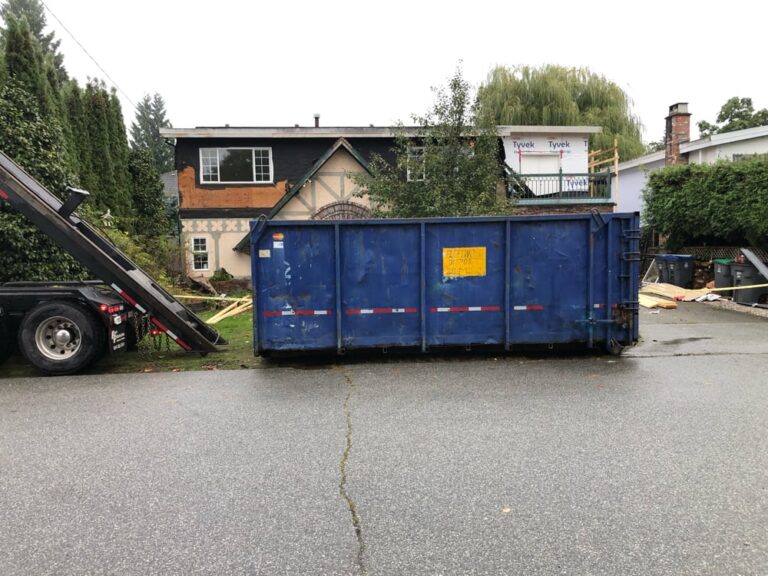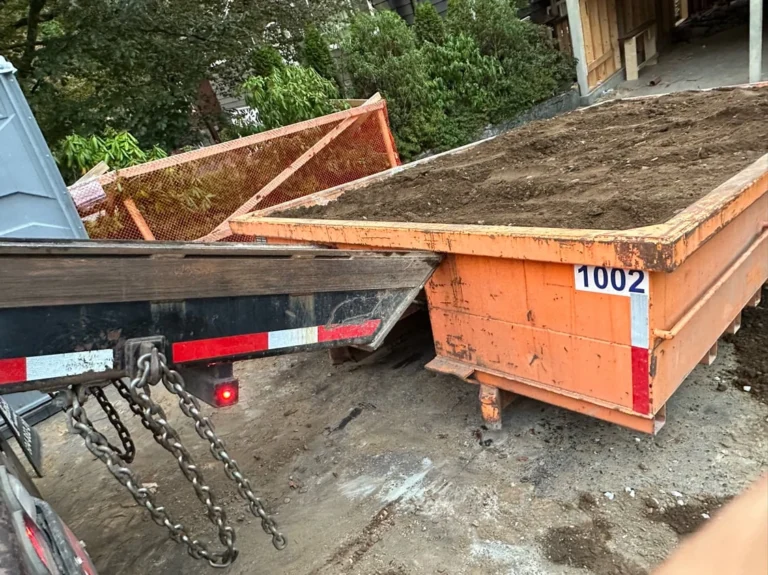
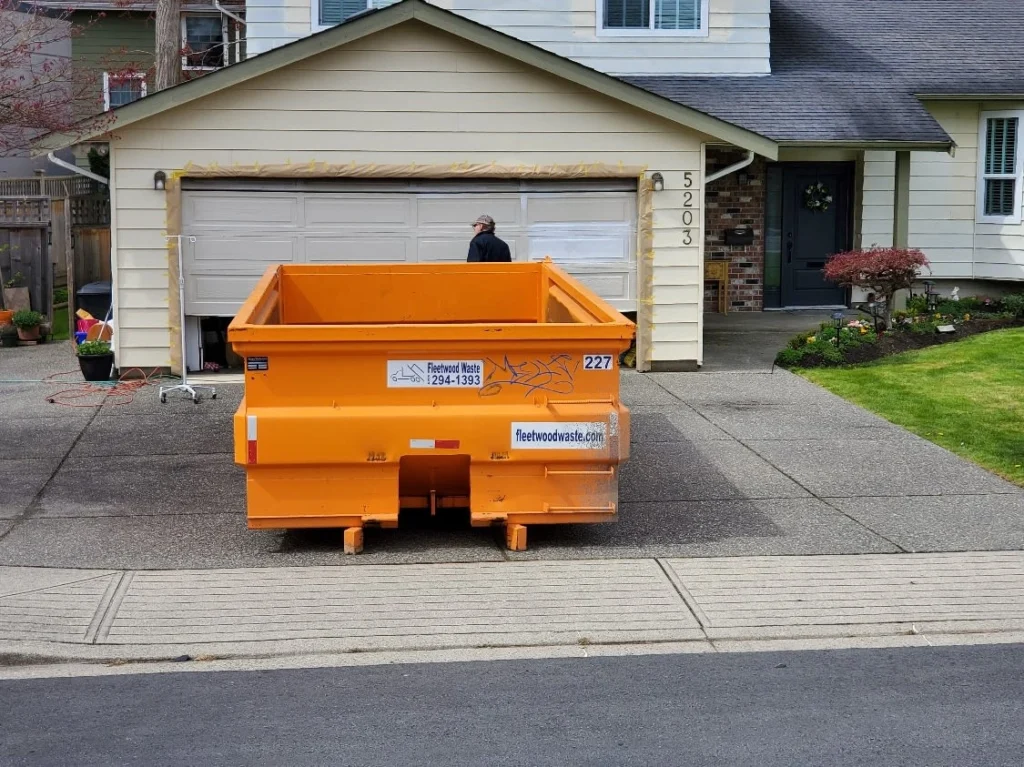
Choosing the right dumpster rental can feel confusing, especially if this is your first time renting a bin. Many people search online for answers like “residential vs commercial bin rental,” “which dumpster rental do I need,” or “bin rental for home renovation vs business.”
What Is a Dumpster Rental?
A dumpster rental is a service where a company delivers a large waste bin to your location, lets you fill it with debris, and then picks it up for disposal. These bins are often called:
- Dumpsters
- Roll-off bins
- Waste containers
Dumpster rentals are used for:
- Home cleanouts
- Renovations
- Construction projects
- Business waste management
The key difference is how the bin is used—for a home or for a business.
What Is a Residential Bin Rental?
A residential bin rental is designed for homeowners and personal projects. These bins are usually smaller and placed on driveways or residential streets.
Common Residential Dumpster Rental Uses
You may need a residential dumpster rental if you are doing:
- Home renovation or remodelling
- Garage or basement cleanout
- Roof replacement
- Yard cleanup or landscaping
- Moving out or downsizing
Residential dumpster rentals focus on short-term use and lighter waste loads.
What Is a Commercial Bin Rental?
A commercial bin rental is meant for businesses, contractors, and large-scale projects. These bins are larger, heavier, and often used for ongoing waste removal.
Common Commercial Dumpster Rental Uses
Commercial dumpster rentals are ideal for:
- Construction and demolition sites
- Office renovations
- Retail or restaurant waste
- Apartment buildings and property management
- Industrial and warehouse cleanup
Commercial dumpster rental services often include longer rental periods, scheduled pickups, and higher weight limits.
Key Differences Between Residential and Commercial Dumpster Rentals
Understanding the differences helps you avoid overpaying or choosing the wrong bin size.
1. Size and Capacity
Residential Dumpster Rental
- For smaller approved mixed-waste cleanouts or renovations, compare Fleetwood’s 10-yard dumpster. Its approximate dimensions are 10 feet long, 8.5 feet wide and 4 feet high. For dense dirt or concrete, discuss an 8- or 10-yard rock box instead of a mixed-waste dumpster.
- Best for household waste
- Fits easily in driveways
Commercial Dumpster Rental
- Larger sizes (20-yard, 30-yard, 40-yard)
- Handles heavy construction debris
- Designed for job sites and businesses
2. Type of Waste Allowed
Residential Bins
- Furniture
- Household junk
- Yard waste
- Drywall, wood, and small renovation debris
Commercial Bins
- Concrete and asphalt
- Metal and roofing materials
- Large volumes of mixed waste
- Packaging and industrial debris
Some materials may require special handling, so always ask your dumpster rental provider.
3. Rental Duration
Residential Dumpster Rental
- Short-term (5 days is common)
- Ideal for one-time projects
Commercial Dumpster Rental
- Long-term or recurring rentals
- Flexible pickup schedules
- Monthly or ongoing service options
4. Cost Structure
Residential Dumpster Rental Cost
- Flat-rate pricing
- Includes delivery, pickup, and disposal
- Lower overall cost
Commercial Dumpster Rental Cost
- Based on bin size, weight, and duration
- May include recurring service fees
- Higher cost due to volume and frequency
5. Placement and Permits
Residential Bins
- Placed on private driveways
- Street placement may need a city permit
Commercial Bins
- Placed on job sites or commercial property
- Often requires permits and safety planning
How to Choose the Right Dumpster Rental for Your Project
If you are unsure which dumpster rental you need, ask yourself these questions:
1. Is the project for a home or a business?
- Home project → Residential dumpster rental
- Business or construction → Commercial dumpster rental
2. How much waste will you generate?
- Small to medium load → Residential bin
- Large or heavy debris → Commercial bin
3. How long will you need the bin?
- A few days → Residential
- Weeks or ongoing → Commercial
4. What type of waste are you disposing of?
- Household items → Residential
- Construction or industrial waste → Commercial
Answering these questions makes the choice clear.
Dumpster Rental Size Guide
Here is a quick breakdown to help you visualize bin sizes:
Residential Dumpster Sizes
- For smaller approved mixed-waste cleanouts or renovations, compare Fleetwood’s 10-yard dumpster. Its approximate dimensions are 10 feet long, 8.5 feet wide and 4 feet high. For dense dirt or concrete, discuss an 8- or 10-yard rock box instead of a mixed-waste dumpster.
- 10-yard bin: Bathroom or kitchen renovation
- For smaller approved mixed-waste cleanouts or renovations, compare Fleetwood’s 10-yard dumpster. Its approximate dimensions are 10 feet long, 8.5 feet wide and 4 feet high. For dense dirt or concrete, discuss an 8- or 10-yard rock box instead of a mixed-waste dumpster.
Commercial Dumpster Sizes
- 20-yard bin: Roofing jobs or medium construction
- 30-yard bin: Large renovations or demolition
- 40-yard bin: Major construction or industrial projects
Choosing the right size helps you avoid extra fees and overflow problems.
Benefits of Choosing the Right Dumpster Rental
When you select the correct dumpster rental, you get:
- Better cost control
- Faster project completion
- Safer work environment
- Fewer pickup delays
- Proper waste disposal
Using the wrong type of bin can lead to extra charges, permit issues, or project delays.
Residential vs Commercial Dumpster Rental: Quick Comparison Table
| Feature | Residential Bin Rental | Commercial Bin Rental |
| Best For | Homeowners | Businesses & contractors |
| Bin Size | Small to medium | Medium to large |
| Rental Time | Short-term | Long-term or ongoing |
| Waste Type | Household & light debris | Construction & heavy waste |
| Cost | Lower, flat rate | Higher, usage-based |
Frequently Asked Questions
What is the most common dumpster rental for home use?
A 10-yard dumpster rental is the most popular choice for home renovations and cleanouts.
Can I use a residential dumpster rental for construction waste?
Small renovation waste is fine, but large construction projects usually require a commercial dumpster rental.
Do I need a permit for a dumpster rental?
If the bin is placed on a public street, a permit is often required. Driveway placement usually does not need one.
How long can I keep a dumpster rental?
Fleetwood’s 10-, 20-, 30- and 40-yard mixed-waste bins include five days. The 8- and 10-yard rock boxes used for dirt or concrete include three days. Confirm any extension charges and revised pickup arrangements with the team.
What items are not allowed in dumpster rentals?
Most dumpster rental companies restrict:
- Hazardous chemicals
- Paint and solvents
- Tires — review the quantity and surcharge with Fleetwood before loading.
- Batteries
- Electronics — keep out of Fleetwood rental bins.
Always confirm with your provider.
Final Thoughts: Which Dumpster Rental Is Right for You?
The choice between residential vs commercial bin rental depends on project size, waste type, and duration.
- Choose a residential dumpster rental for home cleanouts and small renovations.
- Choose a commercial dumpster rental for construction, business, or ongoing waste needs.
Making the right choice saves time, money, and stress.
Need help choosing the right dumpster rental for your project?
Contact a trusted local dumpster rental provider today to get expert advice, clear pricing, and the perfect bin size for your needs.
Confirm your Fleetwood rental
Rock boxes used for dirt or concrete include three days. Mixed-waste bins include five days. Contact Fleetwood before the agreed pickup if you need an extension, and confirm the additional-day charge and revised collection date in your written quote.
Pricing depends on your delivery city, bin, material and load. Confirm the included weight, loading limits and any applicable charges before booking. Drywall requires a separate drywall-only bin; concrete and dirt require a suitable separate container.