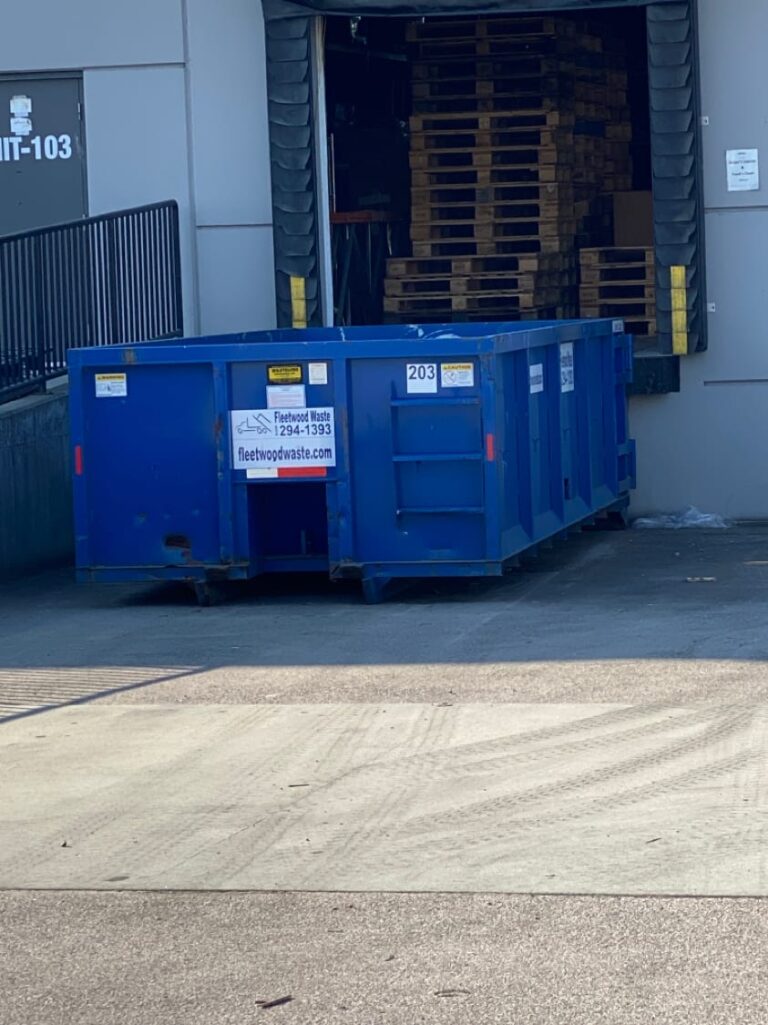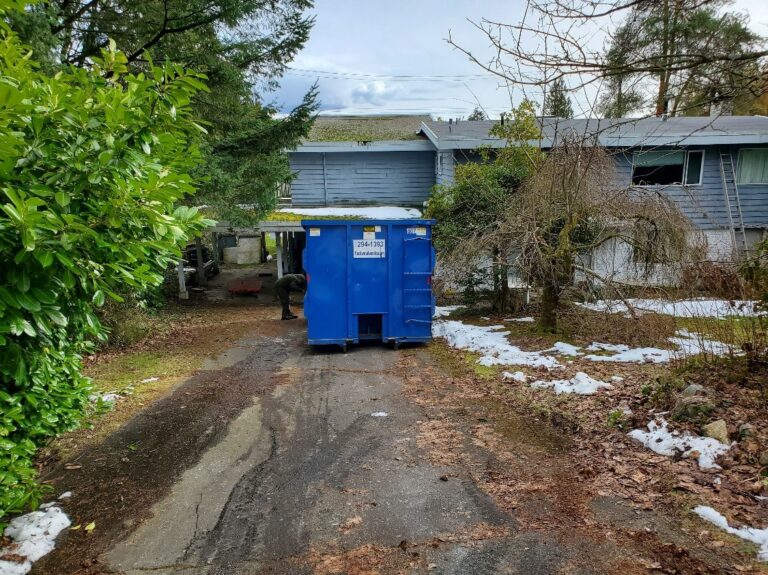
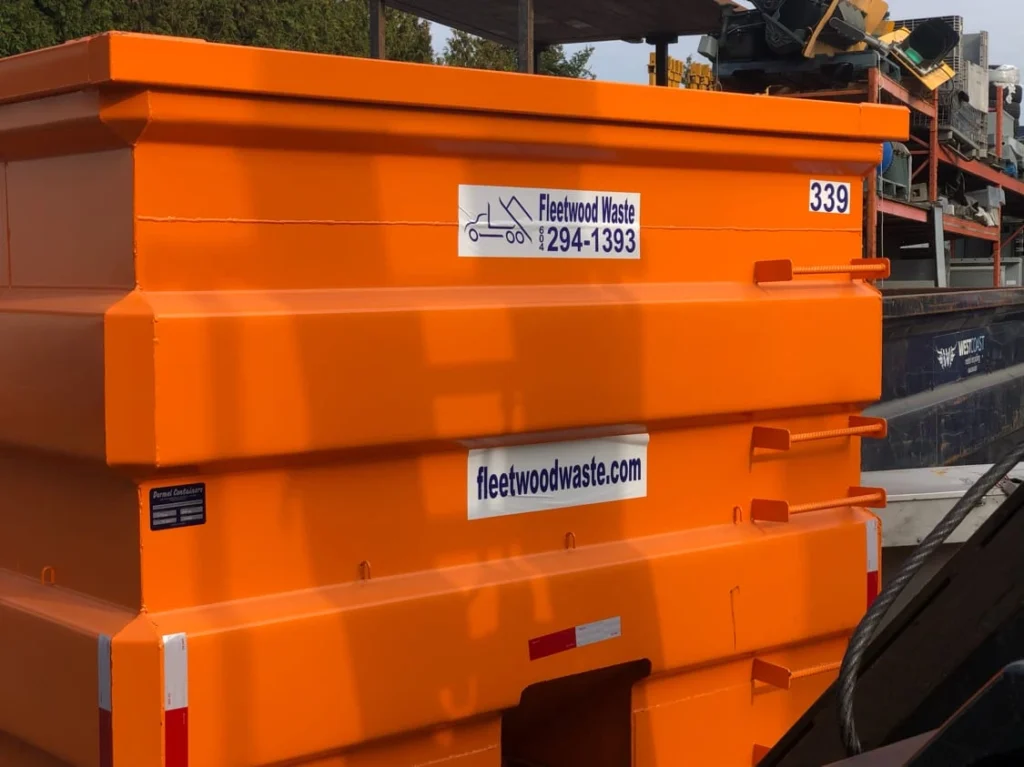
Choosing the right dumpster size is one of the most important decisions when planning a cleanup, renovation, or construction project. If you pick a bin that is too small, you may need multiple hauls. If you choose one that is too large, you could end up paying more than necessary. This guide explains the differences between small and large dumpster rentals in simple terms, helping you make a smart and cost-effective choice.
What Is a Dumpster Rental?
A dumpster rental is a temporary waste container delivered to your location. It is commonly used for:
- Home renovations
- Construction projects
- Yard cleanups
- Office or property cleanouts
Most companies offer roll-off dumpsters in different sizes, usually measured in cubic yards.
Small Dumpster Rentals: Best for Light Projects
Small dumpsters typically range from 10 to 15 cubic yards. They are compact, easy to place, and ideal for smaller jobs.
Common Uses
- Garage or attic cleanouts
- Small bathroom or kitchen remodels
- Yard waste removal
- Minor decluttering projects
Benefits of Small Dumpster Rentals
- Lower rental cost
- Fits in tight spaces like driveways
- Easier permit requirements in most areas
- Less risk of overpaying for unused space
Limitations
- Limited capacity for heavy or bulky waste
- May require multiple pickups for bigger jobs
Large Dumpster Rentals: Best for Heavy-Duty Jobs
Large dumpsters usually range from 20 to 40 cubic yards. These are designed for large-scale waste removal.
Common Uses
- Full home renovations
- Construction and demolition projects
- Commercial cleanouts
- Roofing jobs
Benefits of Large Dumpster Rentals
- Handles large volumes of waste in one go
- Suitable for bulky materials like wood, drywall, and furniture
- Reduces the need for multiple hauls
Limitations
- Higher upfront cost
- Requires more space for placement
- May need permits depending on location
Key Differences: Small vs Large Dumpster Rentals
| Fleetwood container | Approximate dimensions (L × W × H) | Material guidance |
|---|---|---|
| 8-yard rock box | 12.5 × 8.5 × 2 ft | Approved dense loads; confirm exact material |
| 10-yard rock box | 16 × 8.5 × 2 ft | Approved dense loads; confirm exact material |
| 10-yard dumpster | 10 × 8.5 × 4 ft | Approved mixed waste |
| 20-yard dumpster | 18 × 8.5 × 4 ft | Approved mixed waste |
| 30-yard dumpster | 18 × 8.5 × 6 ft | Approved mixed waste |
| 40-yard dumpster | 20 × 8.5 × 7.5 ft | Approved high-volume mixed waste |
These are container dimensions, not truck operating clearances or weight allowances. Compare Fleetwood’s six bins and confirm the load before booking.
How to Choose the Right Dumpster Size
1. Understand Your Project Scope
Start by estimating how much waste your project will produce. A small home cleanup may only need a 10-yard dumpster, while a full renovation may require a 30-yard bin.
2. Consider the Type of Waste
Heavy materials like concrete or roofing shingles may require a specific size or weight limit. Always check with your rental provider.
3. Check Available Space
Measure your driveway or placement area. Large dumpsters need more room and clear access for delivery trucks.
4. Think About Budget
If you are working within a budget, a small dumpster may be more cost-effective. However, multiple small rentals can sometimes cost more than one large bin.
5. Ask About Local Regulations
In some areas, placing a large dumpster on the street may require a permit. This can affect your decision.
Expert Tip
Many experienced contractors recommend choosing a slightly larger dumpster than you think you need. This helps avoid overflow issues and extra rental charges.
Frequently Asked Questions
1. What size dumpster do I need for a home renovation?
For smaller approved mixed-waste cleanouts or renovations, compare Fleetwood’s 10-yard dumpster. Its approximate dimensions are 10 feet long, 8.5 feet wide and 4 feet high. For dense dirt or concrete, discuss an 8- or 10-yard rock box instead of a mixed-waste dumpster.
2. Is it cheaper to rent a small or a large dumpster?
Small dumpsters have lower upfront costs, but large dumpsters can be more cost-effective for bigger projects because they reduce the need for multiple rentals.
3. Can I mix different types of waste in one dumpster?
This depends on local regulations and the rental company. Some materials like hazardous waste, are usually not allowed.
4. How long can I keep a dumpster rental?
Fleetwood’s 10-, 20-, 30- and 40-yard mixed-waste bins include five days. The 8- and 10-yard rock boxes used for dirt or concrete include three days. Confirm any extension charges and revised pickup arrangements with the team.
Final Thoughts
Choosing between a small and a large dumpster rental depends on your project size, waste type, and budget. Small dumpsters work best for simple cleanups, while large dumpsters are ideal for construction and major renovations. Taking the time to assess your needs will help you avoid extra costs and ensure a smooth waste disposal process.
If you are planning a cleanup or construction project, choosing the right dumpster size is key to saving time and money. Contact a trusted local dumpster rental provider today to get expert advice and a customized qu ote based on your specific needs.
Confirm your Fleetwood rental
Rock boxes used for dirt or concrete include three days. Mixed-waste bins include five days. Contact Fleetwood before the agreed pickup if you need an extension, and confirm the additional-day charge and revised collection date in your written quote.
Pricing depends on your delivery city, bin, material and load. Confirm the included weight, loading limits and any applicable charges before booking. Drywall requires a separate drywall-only bin; concrete and dirt require a suitable separate container.