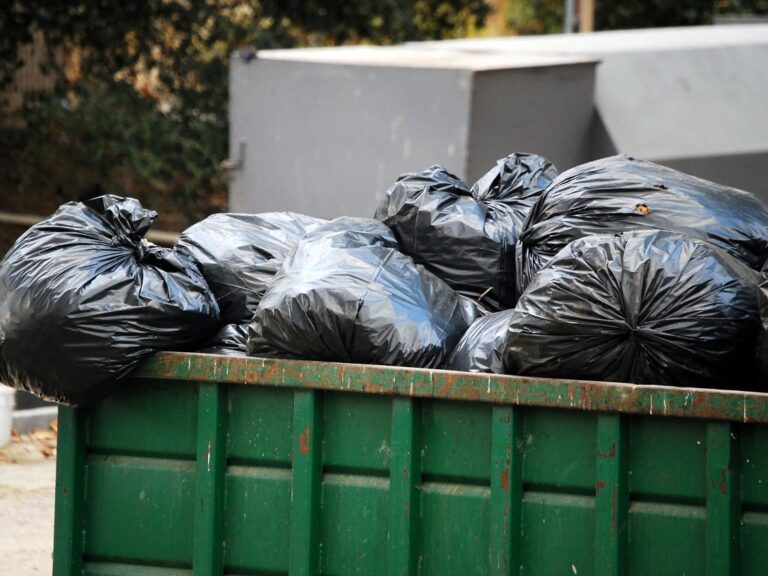
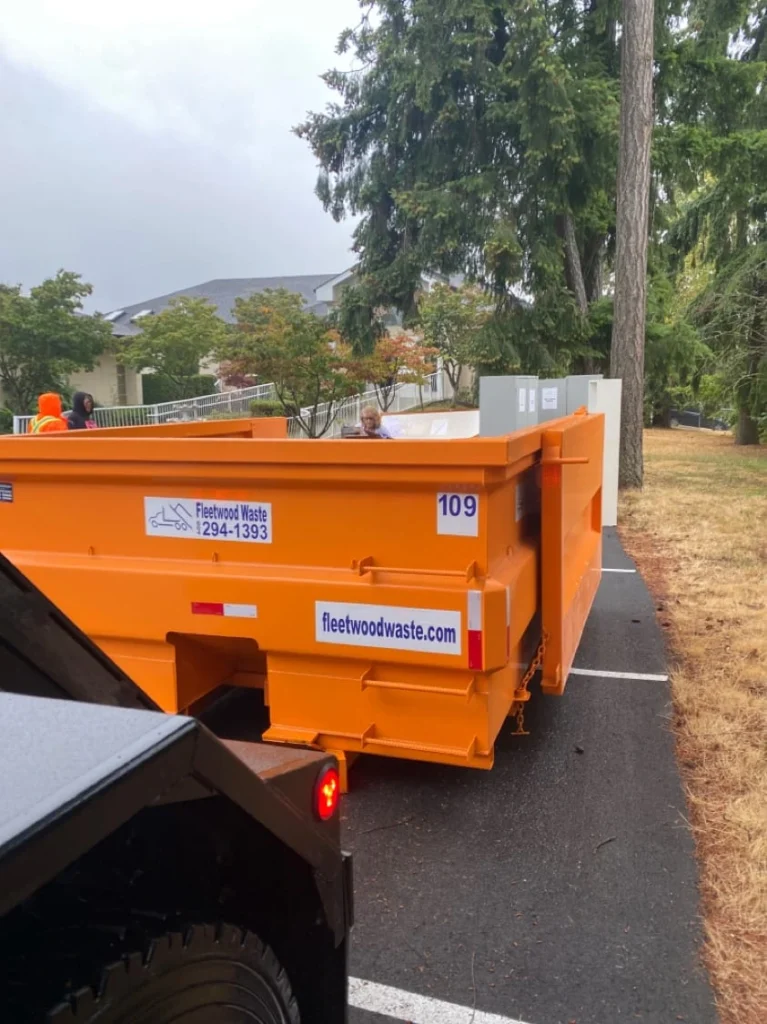
Renovating your home is exciting—but the mess afterward is not. Broken tiles, old cabinets, drywall, wood, nails, dust, and packaging can pile up fast. One of the most important (and often missed) steps in renovation planning is choosing the right garbage bin.
This guide walks you through a simple renovation cleanup checklist and explains how to pick the right garbage bin based on your project size, waste type, and local rules.
How to Choose the Right Garbage Bin for Renovation Cleanup
Renovation waste is not like regular household trash. It is:
- Heavy
- Bulky
- Sometimes sharp or unsafe
- Often restricted by councils
Poor cleanup planning can lead to:
- Extra costs
- Safety hazards
- Delays in project completion
- Fines for illegal dumping
Choosing the correct garbage bin helps you:
- Save time and money
- Keep the site safe
- Follow local disposal laws
- Finish your renovation stress-free
Step 1: Understand What Renovation Waste You’ll Have
Before booking a bin, list the types of waste your renovation will create.
Common Renovation Waste Types
- Bricks and concrete
- Tiles and ceramics
- Timber and wood
- Plasterboard / drywall
- Old kitchen or bathroom fixtures
- Nails, screws, metal pieces
- Packaging materials
Some items cannot go into standard bins, such as:
- Asbestos
- Paints and chemicals
- Batteries
- Gas bottles
Knowing your waste type is the first step to picking the right bin.
Step 2: Estimate How Much Waste You’ll Generate
Many people underestimate waste volume. Renovation debris adds up quickly.
Simple Size Guide
- Small renovation (bathroom, laundry): 2–4 cubic meters
- Medium renovation (kitchen, flooring): 6–8 cubic meters
- Large renovation (full home): 10–15+ cubic meters
If you are unsure, it’s usually better to go one size bigger. Overfilled bins can lead to extra charges or removal refusal.
Step 3: Choose the Right Type of Garbage Bin
Not all garbage bins are the same. Choosing the wrong type can cost you more.
Mixed Waste Bins
Best for:
- General renovation waste
- Wood, plaster, tiles, metal (limited amounts)
Not suitable for:
- Heavy concrete-only loads
- Hazardous materials
Heavy Waste or Concrete Bins
Best for:
- Bricks
- Concrete
- Tiles
- Soil
These bins have strict weight limits but are cheaper for heavy materials.
Green Waste Bins
Best for:
- Garden cleanup after renovation
- Trees, branches, grass
Not for construction debris.
Step 4: Check Local Council Rules Before Booking
Local councils have rules about:
- Bin placement on roads or footpaths
- Permit requirements
- Allowed waste types
Ignoring this step can result in:
- Fines
- Bin removal delays
- Extra permit costs
Always check council guidelines or ask your bin provider for help.
Step 5: Place the Bin in the Right Location
Proper bin placement makes cleanup easier and safer.
Best Placement Tips
- Close to the renovation area
- On private property if possible
- Away from fences, power lines, and drains
- Easy access for pickup trucks
Avoid placing bins where they block:
- Driveways
- Sidewalks
- Emergency access routes
Step 6: Follow Safe Loading Practices
Overloading or poor loading can cause accidents.
Safe Loading Checklist
- Do not stack waste above bin edge
- Place heavy items at the bottom
- Spread weight evenly
- Avoid sharp items sticking out
This protects workers and prevents extra fees.
Step 7: Sort Waste Where Possible
Sorting saves money and helps the environment.
Benefits of Sorting
- Lower disposal costs
- Better recycling rates
- Easier compliance with waste laws
If possible, separate:
- Metal
- Timber
- Concrete
- Green waste
Some providers offer multiple bin options for large projects.
Renovation Cleanup Checklist (Quick Reference)
Use this checklist before your renovation starts:
- Identify waste types
- Estimate total volume
- Choose correct bin type
- Check council rules
- Book bin early
- Plan bin placement
- Follow loading rules
- Arrange pickup on time
Printing this checklist can help keep your project on track.
Common Mistakes to Avoid When Hiring a Garbage Bin
Many homeowners make these mistakes:
- Choosing the cheapest bin without checking weight limits
- Mixing restricted items into general waste
- Ordering a bin too late
- Not checking permit requirements
- Overloading the bin
Avoiding these saves time, money, and stress.
Frequently Asked Questions
What size garbage bin do I need for renovation?
It depends on the project size. Small bathroom jobs usually need 2–4 m³. Full home renovations may need 10 m³ or more.
Can I put tiles and concrete in a general waste bin?
Small amounts are usually allowed. Large amounts require a heavy waste or concrete bin.
How long can I keep a garbage bin?
Most providers offer 5 day hire periods. Longer hire may cost extra. (mixed-waste bins; rock boxes for dirt or concrete include 3 days).
Do I need a permit for a garbage bin?
If the bin is on public space, some councils require a permit. Always check locally.
What cannot go in a renovation bin?
Asbestos, chemicals, batteries, liquids, and hazardous materials are usually not allowed.
Environmental Responsibility and Renovation Waste
Responsible waste disposal matters.
Good waste management:
- Reduces landfill waste
- Supports recycling
- Protects soil and water
- Follows legal requirements
Choosing the right bin helps both your project and the environment.
Final Thoughts: Plan Your Cleanup Before You Renovate
Renovation success is not just about design—it’s about cleanup too. Poor waste planning can slow your project and increase costs. A simple plan and the right garbage bin make everything easier.
Think ahead, choose wisely, and keep your renovation site clean and safe.
Planning a renovation and not sure which garbage bin you need?
Contact a trusted local garbage bin hire service today for expert advice, clear pricing, and hassle-free renovation cleanup. Getting the right bin from the start saves time, money, and stress.
Confirm your Fleetwood rental
Rock boxes used for dirt or concrete include three days. Mixed-waste bins include five days. Contact Fleetwood before the agreed pickup if you need an extension, and confirm the additional-day charge and revised collection date in your written quote.
Pricing depends on your delivery city, bin, material and load. Confirm the included weight, loading limits and any applicable charges before booking. Drywall requires a separate drywall-only bin; concrete and dirt require a suitable separate container.