
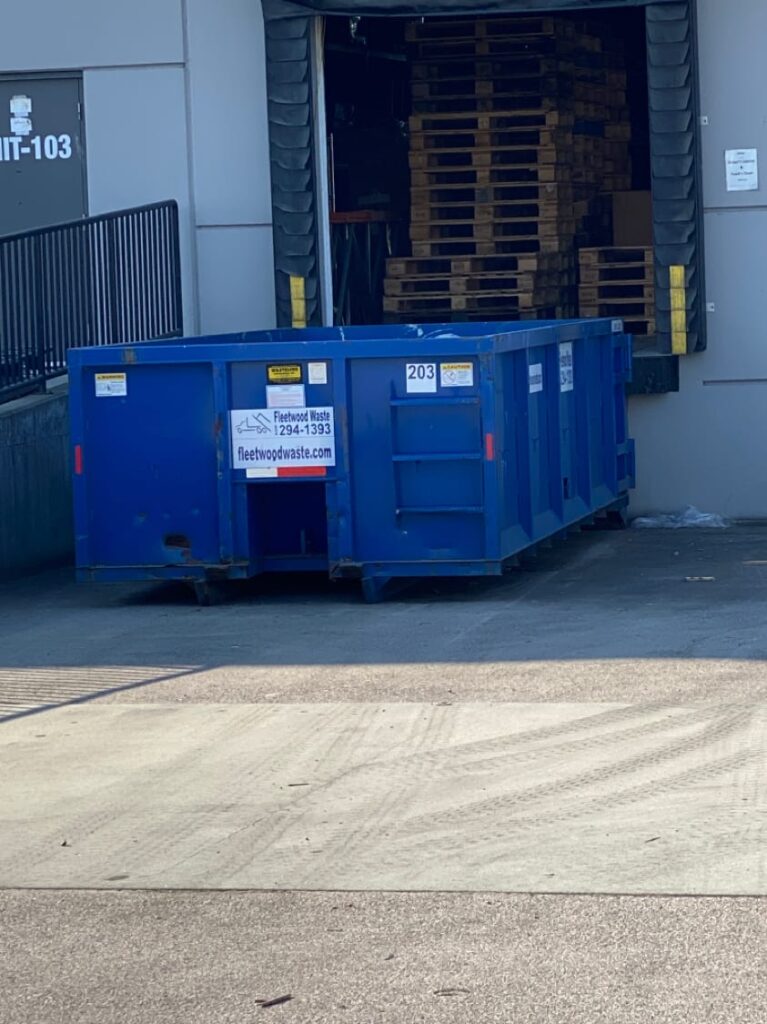
Home renovations often create more waste than expected. Materials like broken drywall, old flooring, damaged cabinets, and general construction debris can quickly pile up. Without proper waste management, your project can slow down, become unsafe, and cost more in the long run.
Renting a dumpster is one of the most effective and affordable ways to keep your renovation organized and running smoothly. Below are the top 10 benefits of using a dumpster for your home improvement project, along with helpful tips on choosing the right size.
1. Keeps Your Job Site Safe and Clean
Loose debris around your home can create hazards and make it harder to work. A dumpster provides a single designated space for all renovation waste, helping maintain a clean and safe work environment.
2. Saves You Time
Multiple trips to the landfill take time and interrupt your workflow. With a dumpster, you can dispose of everything in one place. The rental company handles pickup and disposal, allowing you to stay focused on the renovation.
3. Budget-Friendly Waste Removal
When you factor in landfill fees, fuel costs, and potential damage to your vehicle, dumpster rental is usually more cost-effective than self-hauling. A flat-rate fee makes budgeting simple and predictable.
4. Keeps Trash Organized
Renovation work is easier in an organized workspace. A dumpster becomes the central point for discarding wood, metal, drywall, tiles, and old furniture, reducing clutter and improving efficiency.
5. Reduces Risk of Injury
Sharp materials such as nails, glass, and metal edges can cause injuries when left lying around. A dumpster keeps these dangerous items contained and out of walking areas.
6. Protects Your Home from Damage
Piling debris on your driveway, lawn, or floors can cause permanent stains or structural harm. Dumpsters prevent this by containing all waste in a secure, designated area.
7. Eco-Friendly Disposal Options
Many dumpster rental companies offer sorting and recycling services. Materials like concrete, metal, wood, and cardboard are often separated for recycling, helping reduce landfill waste and support sustainable renovation practices.
8. Convenient and Hassle-Free
Dumpster rental is straightforward. The company delivers it, you fill it, and they pick it up when you’re done. No need for multiple disposal trips or handling waste on your own.
9. Boosts Productivity
A clean and clutter-free workspace allows workers to focus on the job. Less time spent picking up debris means more time completing actual renovation tasks.
10. Speeds Up Project Completion
When waste disposal is streamlined, the entire renovation progresses faster. No dump runs, fewer delays, and better workflow contribute to quicker project completion.
How to Choose the Right Dumpster Size
Here are the most common dumpster sizes for home renovation projects:
10-yard dumpster
Best for:
-
Small cleanouts
-
One-room remodels
-
Minor renovation debris
20-yard dumpster
A popular choice for:
-
Kitchen renovations
-
Bathroom renovations
-
Medium-sized remodeling projects
40-yard dumpster
Ideal for:
-
Large demolitions
-
Full home renovations
-
Roofing and major structural projects
Tip: When in doubt, choose a slightly larger size. It is easier to have extra space than to manage an overflowing dumpster and risk extra fees.
Dumpster Rental vs. Self-Hauling Waste
Many homeowners think self-hauling is cheaper, but the real costs add up:
-
Fuel for multiple trips
-
Landfill dumping fees
-
Wear and tear on your vehicle
-
Time spent driving back and forth
A dumpster rental provides a flat fee and a smoother, faster disposal process.
Eco-Friendly Waste Disposal and Recycling
If sustainability is a priority, choose a rental company that sorts recyclable materials.
Many providers recycle:
-
Metal
-
Concrete
-
Wood
-
Cardboard
This reduces environmental impact and supports responsible construction practices.
Common Mistakes to Avoid When Renting a Dumpster
1. Choosing the Wrong Size
A dumpster that is too small can lead to overflow fees. An oversized one may be unnecessary. Review your project scope carefully.
2. Throwing Away Restricted Items
Hazardous materials such as paint, chemicals, propane tanks, and batteries are not allowed. Always check the company’s restricted items list.
3. Poor Dumpster Placement
Place the dumpster in a flat, accessible area. Avoid spots near fences, trees, overhead wires, and tight corners that trucks may struggle to reach.
Frequently Asked Questions
Q1. How much does it cost to rent a dumpster?
Most dumpster rentals range according to city, materials and project requirements depending on the size, rental duration, and location.
Q2. What size dumpster is best for a kitchen or bathroom remodel?
A 20-yard dumpster is ideal for cabinetry, countertops, tiles, flooring, and drywall.
Q3. What can I put in a dumpster?
Fleetwood mixed-waste bins accept suitable wood, furniture, flooring, asphalt shingles and renovation debris. Drywall requires a separate drywall-only bin; concrete, dirt and other heavy materials require a suitable separate container. Appliances, electronics, propane tanks, chemicals, hazardous waste and food waste are not permitted in mixed-waste bins. Review our materials policy before loading.
Q4. Is dumpster rental cheaper than hauling waste myself?
In most cases, yes. Dumpster rental avoids fuel costs, landfill fees, and vehicle damage.
Q5. How long can I keep a dumpster?
Fleetwood mixed-waste bins include five days. Rock boxes used for dirt or concrete include three days. Confirm any extension, additional-day charge and revised pickup date in your written quote.
Conclusion
Renting a dumpster during your home renovation is a smart decision. It saves time, reduces costs, improves safety, speeds up project completion, and supports eco-friendly practices. If you’re planning a renovation, partner with a trusted local dumpster rental company to keep your project clean, organized, and stress-free from start to finish.
Confirm your Fleetwood rental
Rock boxes used for dirt or concrete include three days. Mixed-waste bins include five days. Contact Fleetwood before the agreed pickup if you need an extension, and confirm the additional-day charge and revised collection date in your written quote.
Pricing depends on your delivery city, bin, material and load. Confirm the included weight, loading limits and any applicable charges before booking. Drywall requires a separate drywall-only bin; concrete and dirt require a suitable separate container.