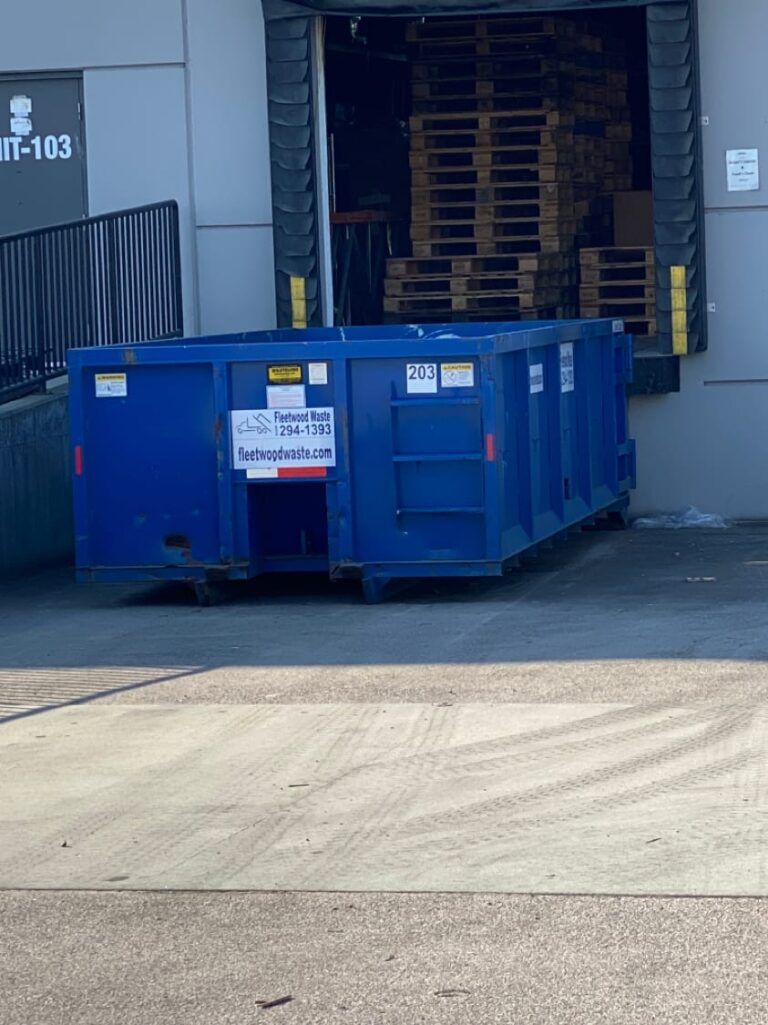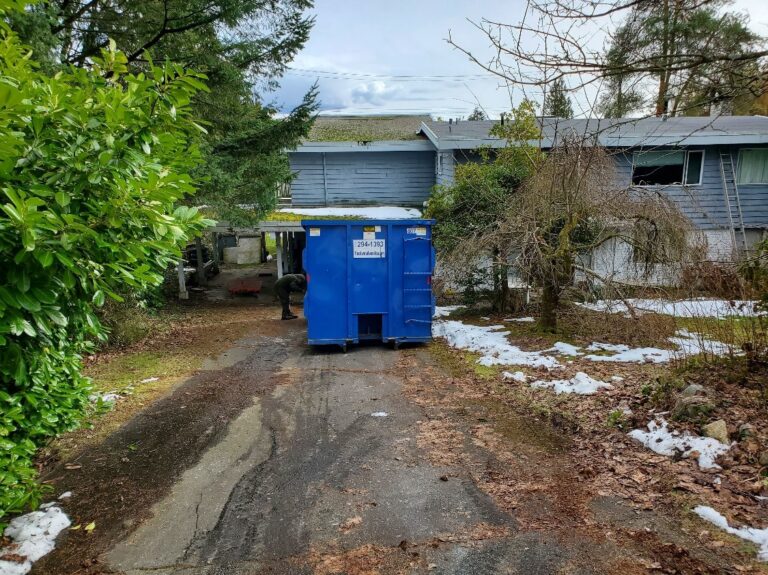
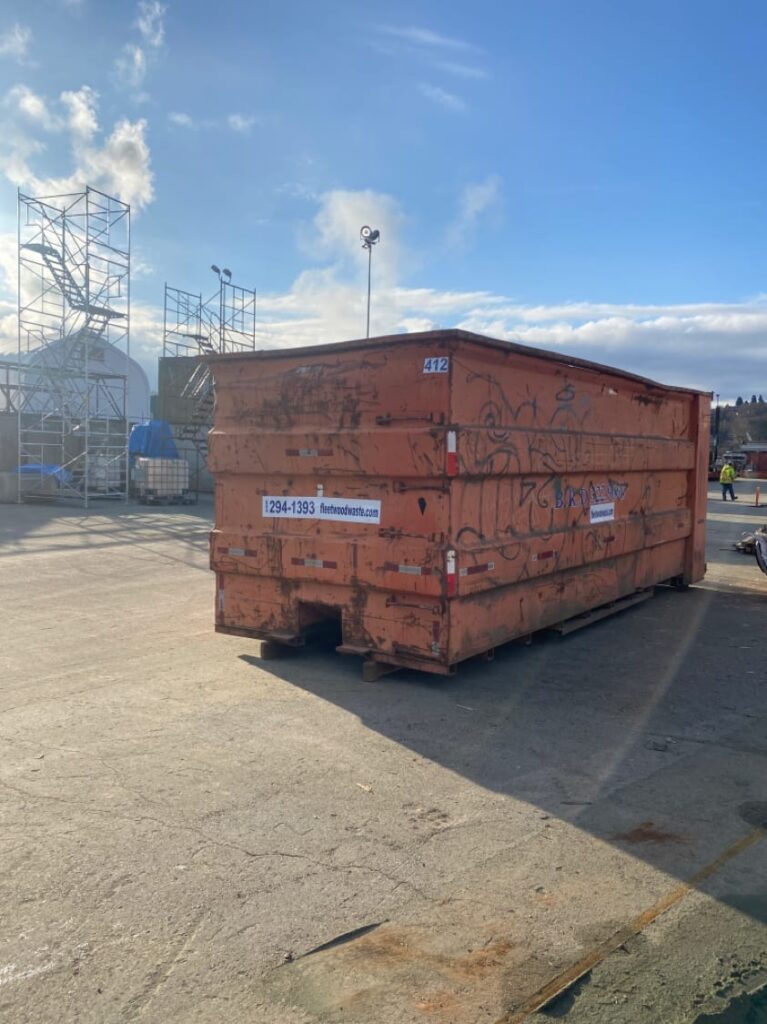
When renting a construction dumpster in Vancouver or a bin rental in Surrey, it is important to know what materials are allowed and what are not. Putting the wrong items in your rental bin can lead to extra fees, delays, or legal issues. Proper waste sorting also helps protect the environment and supports recycling efforts.
This guide clearly explains what you can place in your rental bin and which items must be disposed of separately.
What Can Go in Your Rental Bin
If you are using a construction bin rental in Surrey or Vancouver, the following materials are generally accepted.
1. General Household Waste
-
Old furniture such as couches, chairs, tables, and mattresses
-
Toys and non-electronic household items
-
Paper, cardboard, and packaging materials
-
Clothing and textiles
2. Construction and Renovation Debris
-
Drywall (older drywall may require asbestos testing)
-
Wood and lumber
-
Bricks and concrete (subject to weight limits)
-
Tiles, ceramics, and flooring materials
-
Metal scraps including nails, pipes, and wiring
-
Insulation that is asbestos-free
3. Yard Waste and Green Waste
-
Grass clippings and leaves
-
Tree branches and small stumps (size limits may apply)
-
Garden debris
-
Small amounts of soil (check local guidelines first)
4. Non-Hazardous Appliances and Scrap Metal
-
Stoves, ovens, and dishwashers (must be empty)
-
Washers and dryers
-
Metal shelving or furniture
-
Appliances that do not contain refrigerants
What Can’t Go in Your Rental Bin
Some materials are restricted due to safety, environmental, or legal reasons. These items should never be placed in a garbage bin rental.
1. Hazardous Waste
-
Paints, stains, and varnishes
-
Chemicals, pesticides, and herbicides
-
Asbestos-containing materials
-
Batteries (car batteries, lithium-ion, rechargeable batteries)
-
Fluorescent light bulbs and tubes
2. Electronics and E-Waste
-
Televisions, computers, and monitors
-
Printers, copiers, and fax machines
-
Mobile phones and small electronic devices
-
Cables, chargers, and power cords
3. Tires and Automotive Waste
-
Car and truck tires
-
Motor oil and car batteries
-
Brake pads and automotive fluids
-
Gasoline, antifreeze, and transmission fluids
4. Appliances with Refrigerants
-
Refrigerators and freezers
-
Air conditioners and dehumidifiers
-
Water coolers and ice machines
5. Medical and Biohazard Waste
-
Needles, syringes, and sharps
-
Expired medications
-
Biohazard materials such as bodily fluids or lab waste
Why Proper Waste Disposal Matters
Correct waste disposal is important for several reasons:
-
Avoiding fines: Local regulations prohibit hazardous waste in rental bins, and violations can be costly
-
Protecting the environment: Hazardous materials can contaminate soil and groundwater
-
Supporting recycling: Proper sorting allows recyclable materials to be reused instead of sent to landfills
How to Dispose of Restricted Items
If your project includes restricted materials, consider these options:
-
Hazardous waste: Use local hazardous waste drop-off facilities
-
Electronics: Many cities and retailers offer e-waste recycling programs
-
Tires and auto parts: Automotive shops and recycling centres can handle these items
-
Refrigerators and AC units: Contact local waste services for safe removal
-
Medical waste: Pharmacies and healthcare facilities provide approved disposal options
Choosing the Right Dumpster Rental for Your Project
Before booking a construction dumpster in Vancouver or a bin rental in Surrey, keep these points in mind:
-
Choose the right size: Common bin sizes include 10-yard, 20-yard, and 40-yard
-
Check weight limits: Heavy materials like concrete and bricks may require special bins
-
Follow local regulations: City rules vary and can affect pricing
-
Sort your waste: Proper sorting can save time and reduce extra charges
Frequently Asked Questions
1. What happens if I put a restricted item in my rental bin?
You may be charged extra, the bin may not be picked up, or you could face local fines. Always check the prohibited items list first.
2. Can I mix household waste and construction debris in one bin?
Yes, as long as all items are non-hazardous. Hazardous waste, electronics, and refrigerant appliances are not allowed.
3. Do rental bins have weight limits?
Yes. Heavy materials like concrete and soil can exceed limits quickly and may result in additional charges.
4. Do I need to separate recyclable materials?
Usually no, but separating recyclables can reduce costs and improve recycling efficiency.
5. How do I choose the right bin size?
Small cleanups use a 10-yard bin, renovations usually need 20 yards, and large projects require 30–40 yards.
Ready to Rent a Dumpster?
If you need a construction bin rental in Vancouver or a garbage bin rental in Surrey, our team is ready to help. We provide reliable, affordable, and regulation-compliant dumpster rental services for residential and commercial projects.
Contact us today to get a free quote and book your bin with confidence.
Confirm your Fleetwood rental
Rock boxes used for dirt or concrete include three days. Mixed-waste bins include five days. Contact Fleetwood before the agreed pickup if you need an extension, and confirm the additional-day charge and revised collection date in your written quote.
Pricing depends on your delivery city, bin, material and load. Confirm the included weight, loading limits and any applicable charges before booking. Drywall requires a separate drywall-only bin; concrete and dirt require a suitable separate container.