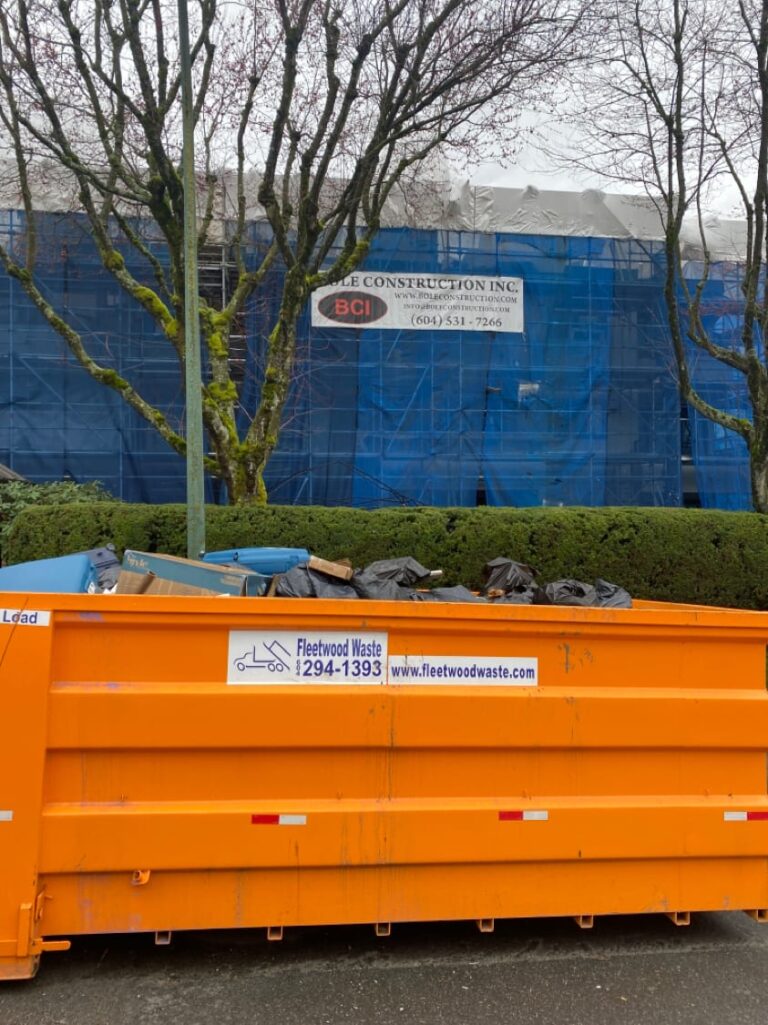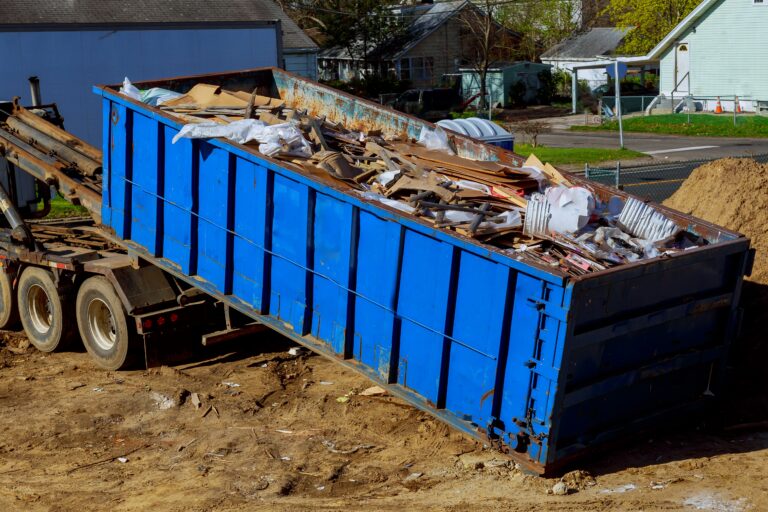
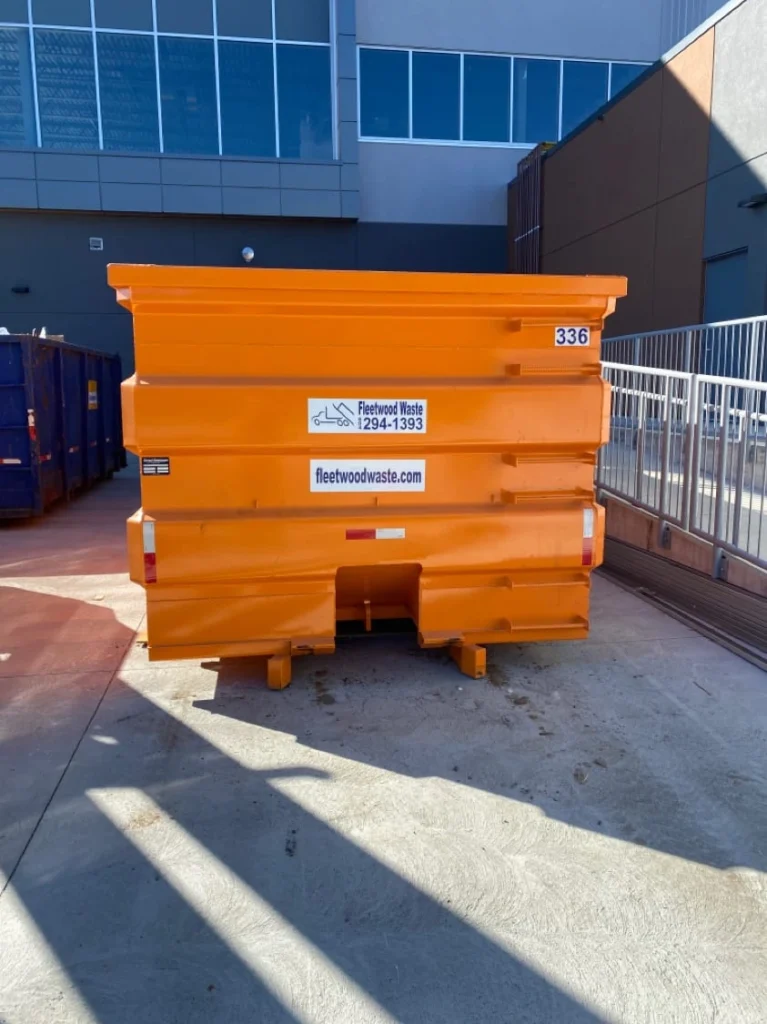
If you are starting a construction, renovation, or demolition project, one big question always comes up: What can go in a construction dumpster?
Using a dumpster the right way saves time, avoids extra fees, and keeps your job site safe and legal. This guide explains exactly what you can and cannot throw into a construction dumpster, in simple language that’s easy to understand.
What Is a Construction Dumpster?
A construction dumpster is a large container used to collect waste from building, remodeling, or demolition projects. It is designed for heavy and bulky materials that regular trash bins cannot handle.
These dumpsters are commonly used for:
- Home renovations
- Commercial construction projects
- Roofing jobs
- Interior remodels
- Demolition work
- Large cleanouts
Construction dumpsters come in different sizes, usually ranging from 10-yard to 40-yard dumpsters, depending on the amount of waste.
What Can Go in a Construction Dumpster?
Below is a clear breakdown of approved materials that are usually allowed in a construction dumpster.
1. Construction and Demolition Debris
Most construction dumpsters are made for general construction waste.
You can put in:
- Lumber and wood scraps
- Plywood and MDF boards
- Drywall and sheetrock
- Insulation materials
- Trim, molding, and framing waste
These materials take up space but are safe for landfill disposal.
2. Concrete, Bricks, and Masonry (With Limits)
Many dumpster rental companies allow small amounts of heavy materials.
Commonly accepted items:
- Broken concrete
- Bricks
- Blocks
- Pavers
- Mortar and cement chunks
Important:
- Weight limits apply
- You may need a special heavy debris dumpster
- Always confirm with the rental company first
3. Roofing Materials
Roofing projects create a lot of waste, and dumpsters are perfect for it.
Allowed roofing waste often includes:
- Asphalt shingles
- Underlayment
- Roofing felt
- Flashing
- Wood decking
This is one of the most common uses for a construction dumpster.
4. Metal and Scrap Items
Most dumpsters allow mixed metal waste.
You can usually dispose of:
- Steel beams and frames
- Copper pipes
- Aluminum siding
- Nails and screws
- Window frames
Some metals may be recycled, so ask your provider if separate metal recycling is available.
5. Flooring Materials
Floor removal projects are a common reason to rent a dumpster.
Common flooring waste includes:
- Carpet and padding
- Vinyl flooring
- Tile and ceramic pieces
- Hardwood and laminate flooring
Make sure flooring is removed cleanly and free of hazardous adhesives when possible.
6. Fixtures and Built-In Items
Construction dumpsters are meant for structures that are being removed permanently.
Allowed fixtures often include:
- Cabinets
- Countertops
- Doors
- Windows
- Sinks and bathtubs
Tip: Some reusable items 7. Yard Debris from Construction
can be donated instead of thrown away.
If your construction job includes clearing land or landscaping, some yard waste is allowed.
Usually accepted:
- Tree branches
- Shrubs
- Dirt mixed with debris (limited amounts)
- Sod and roots
Pure soil and dirt may be restricted due to weight.
What Cannot Go in a Construction Dumpster?
Knowing what cannot go in is just as important. Putting restricted items in a dumpster can lead to extra fees or legal trouble.
1. Hazardous Materials
These items are never allowed:
- Paints, stains, and solvents
- Asbestos-containing materials
- Oil, gasoline, or fuel
- Pesticides and chemicals
- Industrial cleaning agents
These require special hazardous waste disposal.
2. Electronics and Batteries
Most dumpsters do not accept electronics.
Do not throw away:
- TVs and monitors
- Computers and laptops
- Cell phones
- Rechargeable batteries
- Power tool batteries
These items should go to an e-waste recycling center.
3. Tires and Automotive Parts
Tires are banned in most landfills.
Usually not allowed:
- Car tires
- Truck tires
- Engine parts
- Auto fluids
Many tire shops accept used tires for a small recycling fee.
4. Appliances with Refrigerants
Large appliances can be tricky.
Typically restricted items:
- Refrigerators
- Freezers
- Air conditioners
- Dehumidifiers
These units contain refrigerants that must be removed by professionals.
5. Medical and Biohazard Waste
Never place medical or bio-waste in a construction dumpster.
This includes:
- Sharps and needles
- Medical supplies
- Biological materials
These have strict disposal rules for safety reasons.
How to Use a Construction Dumpster the Right Way
Follow Weight Limits
Heavy materials can quickly exceed allowed weight. Overfilled dumpsters may result in:
- Extra charges
- Refusal of pickup
- Safety violations
Spread weight evenly and avoid piling heavy debris at one end.
Keep Prohibited Items Out
One banned item can contaminate the entire load. This increases disposal costs and may cause delays.
When in doubt, ask your dumpster rental provider first.
Sort Recyclable Materials When Possible
Separating recyclable materials helps:
- Reduce landfill waste
- Lower disposal costs
- Support local recycling regulations
Some projects use multiple dumpsters for better waste management.
Frequently Asked Questions
Can I put household junk in a construction dumpster?
Yes, most construction dumpsters allow household items if they are not hazardous. However, mixing household trash with construction debris is not always recommended.
Can I throw concrete and dirt together?
Small amounts may be allowed, but large volumes usually require a separate heavy debris dumpster. Always confirm weight limits.
What happens if I put prohibited items in the dumpster?
You may face:
- Overweight fees
- Disposal penalties
- Delay in pickup
- Legal fines in some areas
Do rules change by location?
Yes. Dumpster rules depend on:
- Local landfill laws
- State regulations
- Dumpster rental company policies
Always check local guidelines.
Why Following Proper Dumpster Rules Matters
Proper dumpster use:
- Keeps workers safe
- Protects the environment
- Prevents unexpected costs
- Ensures legal compliance
- Keeps projects on schedule
Professional contractors and responsible homeowners always take waste rules seriously.
Final Thoughts: What Can Go in a Construction Dumpster?
A construction dumpster is designed for building, remodeling, and demolition waste, not hazardous or restricted materials. Most wood, drywall, roofing, metal, flooring, and fixtures are allowed. Hazardous materials, electronics, chemicals, and tires are usually not.
When you understand what can and cannot go in a dumpster, you save money and avoid stress.
Planning a construction or renovation project?
Talk to a trusted dumpster rental professional before you rent.
They can help you:
- Choose the right dumpster size
- Understand allowed materials
- Avoid extra fees
- Stay compliant with local rules
Proper waste planning starts with the right dumpster—and the right information.
Confirm your Fleetwood rental
Rock boxes used for dirt or concrete include three days. Mixed-waste bins include five days. Contact Fleetwood before the agreed pickup if you need an extension, and confirm the additional-day charge and revised collection date in your written quote.
Pricing depends on your delivery city, bin, material and load. Confirm the included weight, loading limits and any applicable charges before booking. Drywall requires a separate drywall-only bin; concrete and dirt require a suitable separate container.