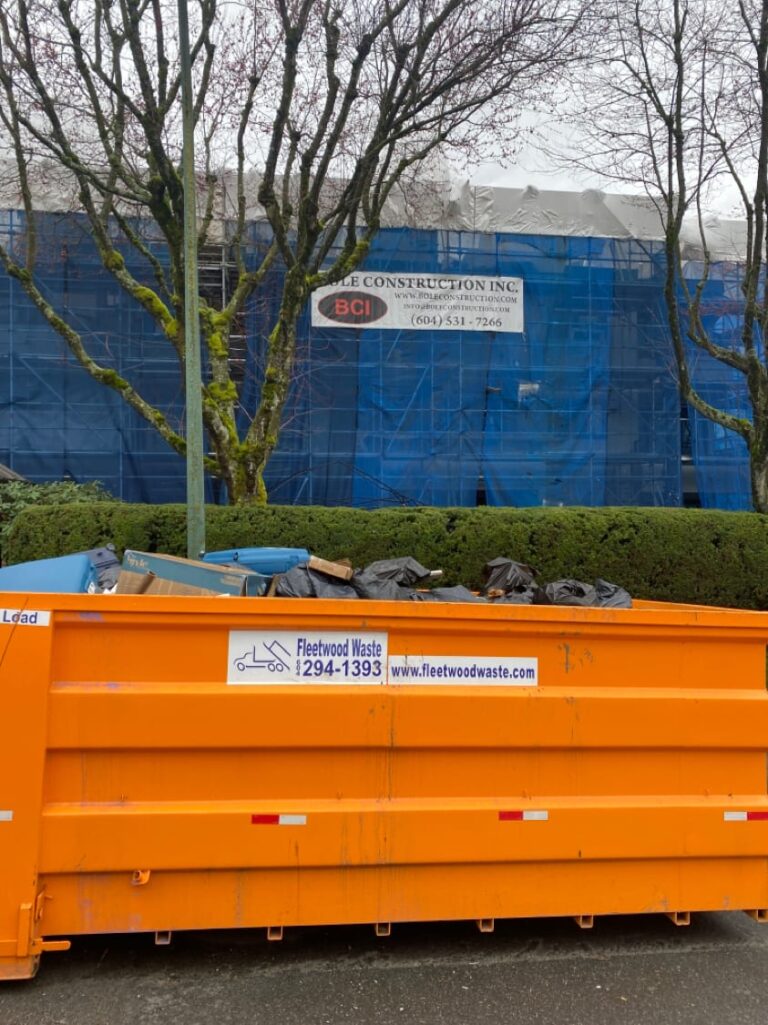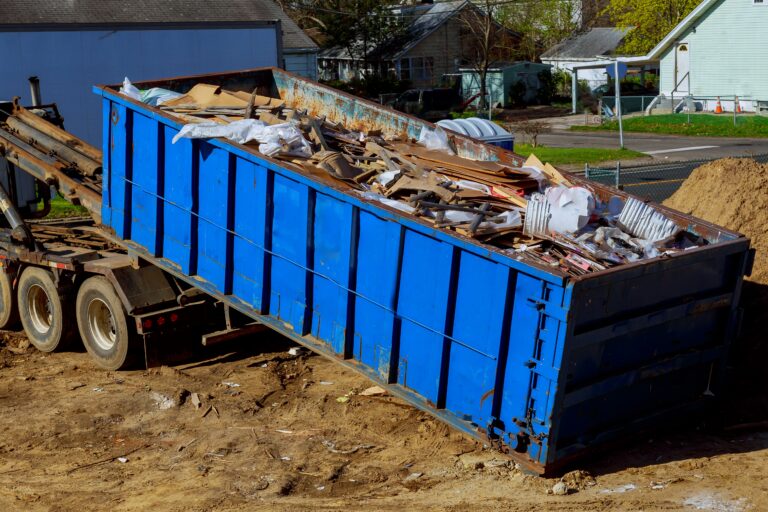
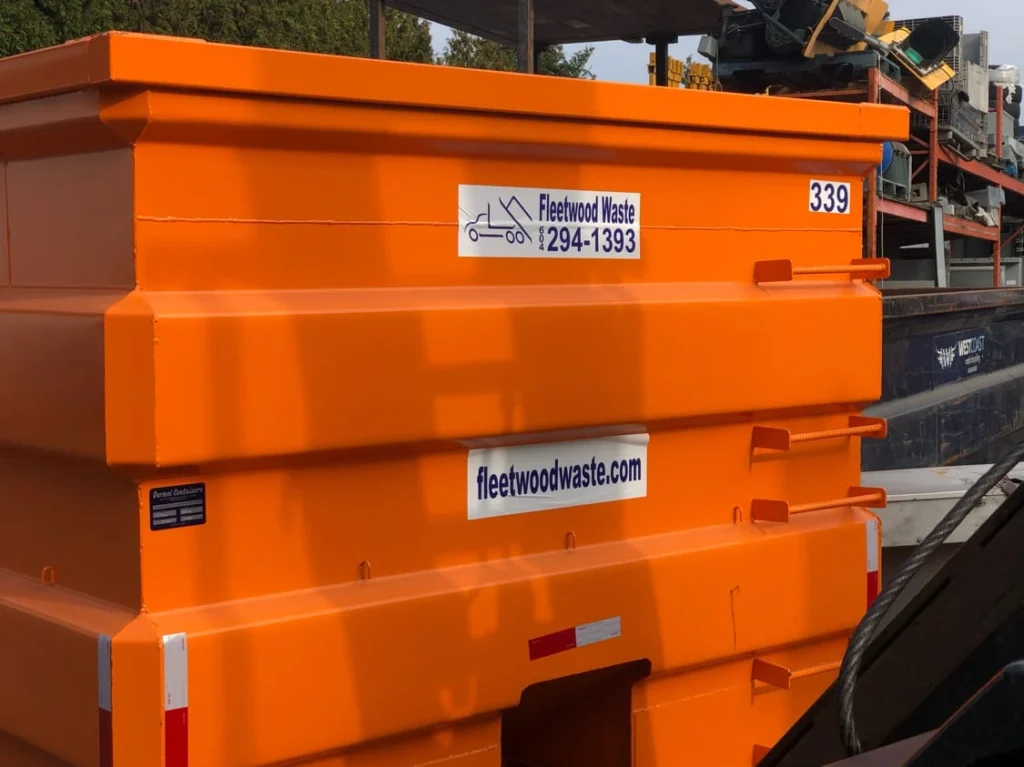
When you’re working on a construction project, managing waste can quickly become a challenge. A construction dumpster is one of the easiest and most efficient ways to dispose of debris safely. However, before renting one, it’s important to understand what you can and cannot put inside it.
If you’re looking for a construction dumpster in Vancouver or a construction bin rental in Surrey, this guide explains everything in simple terms so you can avoid fines, delays, or extra charges.
What Can You Throw in a Construction Dumpster?
Construction dumpsters are designed to handle many types of non-hazardous construction and renovation waste.
1. Wood & Lumber
Wood waste is very common on job sites. You can safely dispose of:
-
Plywood
-
Wooden planks
-
Lumber scraps
-
Pallets
2. Drywall & Plaster
If you are remodelling or tearing down walls, these materials are allowed:
-
Drywall sheets
-
Plasterboard
-
Gypsum board
3. Concrete, Brick & Stone
Heavy materials are usually accepted, including:
-
Broken concrete
-
Bricks
-
Stone and masonry
Tip: Large volumes of heavy debris may require a dedicated heavy-load dumpster to avoid weight overage fees.
4. Metal Scraps
Many construction projects generate metal waste such as:
-
Steel beams
-
Aluminum siding
-
Copper pipes
-
Metal fixtures
5. Roofing Materials
Roof replacement projects often use dumpsters for:
-
Asphalt shingles
-
Metal roofing panels
-
Tiles and slate
6. General Trash & Non-Hazardous Debris
You can also throw in everyday construction-related waste:
-
Cardboard
-
Plastic
-
Paper
-
Insulation materials
What Can’t You Put in a Construction Dumpster?
Some materials are restricted and require special disposal methods.
1. Hazardous Waste
Do not place these in a construction bin rental:
-
Paint and paint cans
-
Solvents and chemicals
-
Pesticides
-
Asbestos
2. Batteries & Electronics
E-waste contains toxic materials and must be taken to certified recycling centres.
3. Tires
Tires are banned from dumpsters and must be disposed of at approved tire recycling facilities.
4. Chemicals & Flammable Liquids
Fuel, oil, propane tanks, and other flammable substances are not allowed.
5. Medical & Biohazard Waste
Items such as needles, syringes, and medical waste require specialized disposal services.
Choosing the Right Construction Dumpster Size
Selecting the right size helps control costs and avoid overflow issues.
-
10-Yard Dumpster – Small home renovations or cleanups
-
20-Yard Dumpster – Medium projects like roof replacements
-
30-Yard Dumpster – Large renovations or construction jobs
-
40-Yard Dumpster – Major demolition or commercial projects
Why Rent a Construction Dumpster in Vancouver or Surrey?
Using a professional bin rental service offers clear benefits:
-
Convenience – One place for all construction waste
-
Cost-effective – Saves time and hauling expenses
-
Eco-friendly – Proper sorting, recycling, and disposal
How to Rent a Construction Dumpster
Follow these simple steps:
-
Choose the right dumpster size for your project
-
Check local disposal regulations
-
Schedule delivery and pickup
-
Load waste evenly and avoid overfilling
Frequently Asked Questions
1. What can I put in a construction dumpster?
Mixed-waste dumpsters can suit approved wood, flooring, cabinetry and household debris. Drywall requires a separate drywall-only bin; concrete and dirt require a suitable separate container. Identify appliances and other restricted items before booking.
2. What items are not allowed in a construction dumpster?
Hazardous materials like paint, chemicals, asbestos, batteries, electronics, tires, fuel, and medical waste are not allowed.
3. Can concrete and bricks go in a construction dumpster?
Yes, concrete and bricks are allowed, but large amounts may need a heavy-load dumpster to avoid extra fees.
4. What size dumpster do I need for construction waste?
Small projects use 10-yard dumpsters, medium projects use 20-yard, large projects use 30-yard, and demolition jobs use 40-yard dumpsters.
5. Do dumpster rules differ in Vancouver and Surrey?
Yes, local rules can vary. Always check regulations in Vancouver and Surrey before renting.
Conclusion
A construction dumpster rental makes waste disposal safe, efficient, and stress-free. Whether your project is in Surrey or Vancouver, knowing what materials are allowed helps you stay compliant and avoid unexpected costs.
Get a quote today and keep your construction site clean and organized.
Confirm your Fleetwood rental
Rock boxes used for dirt or concrete include three days. Mixed-waste bins include five days. Contact Fleetwood before the agreed pickup if you need an extension, and confirm the additional-day charge and revised collection date in your written quote.
Pricing depends on your delivery city, bin, material and load. Confirm the included weight, loading limits and any applicable charges before booking. Drywall requires a separate drywall-only bin; concrete and dirt require a suitable separate container.