When you rent a bin for a home renovation or construction project, it’s easy to assume the debris simply disappears after pickup. In reality, construction waste goes through a well-organized process to ensure proper disposal, recycling, and environmental safety. Understanding this process helps homeowners, contractors, and builders make smarter decisions, save money, and reduce environmental impact.
In this guide, we’ll explain what happens to construction debris after it leaves your site, how different materials are handled, and tips to manage waste effectively.
1. The Journey of Construction Waste
After the bin is collected from your site:
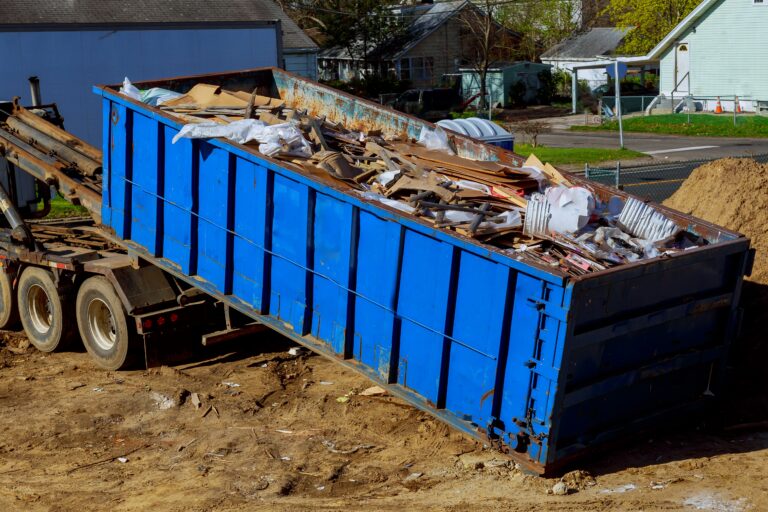
- Loading: A truck designed for heavy construction waste picks up the bin carefully.
- Transportation: Waste is taken to a licensed landfill, recycling center, or transfer station.
- Sorting: Some facilities separate debris into recyclable materials, hazardous waste, and general trash.
Proper disposal depends on how well the waste is separated at your site. Materials sorted by type are more likely to be recycled.
2. How Different Materials Are Handled
Construction sites produce many types of waste, each with its own disposal or recycling process.
a. Wood and Lumber
- Untreated wood: Can be chipped or shredded for mulch, compost, or biomass fuel.
- Treated, painted, or chemically coated wood: Requires specialized facilities to prevent toxic exposure.
b. Concrete, Bricks, and Masonry
- Crushed concrete and masonry materials are often recycled into gravel or base material for roads and new construction.
- Non-recyclable pieces are sent to monitored landfills.
c. Drywall and Plasterboard
- Gypsum boards can be ground and reused to make new drywall or soil conditioner.
- If recycling isn’t possible, it goes to a landfill designed for gypsum products.
d. Metals (Steel, Aluminum, Copper)
- Sorted metals are sent to scrap yards for recycling.
- Melting and remanufacturing allow these materials to become new products.
e. Mixed Waste
Some construction debris contains a mix of wood, drywall, concrete, and plastics. Facilities usually use:
- Mechanical sorting: Machines separate metals, plastics, and other recyclable materials.
- Manual sorting: Workers identify items that need special disposal.
- Landfill disposal: Non-recyclable or hazardous materials are safely contained.
3. Recycling and Sustainability
Recycling construction waste helps reduce landfill use, save natural resources, and lower greenhouse gas emissions. Many waste companies now offer eco-friendly disposal options to maximize recycling and reduce environmental impact.
- Wood and metals are reused in new construction or manufacturing.
- Concrete and masonry can be crushed into road base or building material.
- Gypsum and drywall are processed into new drywall products or agricultural soil conditioners.
4. Hazardous Waste Handling
Certain materials require specialized disposal:
- Asbestos: Must be removed by certified professionals.
- Paints, solvents, and chemicals: Collected separately for chemical recycling or incineration.
- Treated wood: Cannot go to landfills with untreated debris.
Working with licensed bin rental services ensures compliance with local environmental laws and protects workers, residents, and the surrounding community.
5. Tracking and Compliance
Modern waste management companies often provide tracking and documentation:
- Digital weigh-ins record the weight of debris collected.
- Waste manifests track what goes to recycling or landfill.
- Certificates of recycling verify responsible disposal.
Tracking helps both businesses and homeowners stay compliant with local regulations and maintain accountability.
6. Tips for Homeowners and Contractors
To make waste disposal efficient and eco-friendly:
- Separate waste on-site: Keep wood, metal, drywall, and plastics in separate bins.
- Check local recycling centers: Drop off materials that can be directly recycled.
- Avoid mixing hazardous materials: Keep paints, asbestos, and treated wood separate.
- Hire licensed dumpster rental companies: They ensure proper disposal and recycling.
- Ask about green programs: Some services offer full recycling for a small additional fee.
Frequently Asked Questions
Q1: Can all construction waste be recycled?
A: No. While wood, metals, concrete, and drywall can often be recycled, hazardous materials and contaminated debris must be disposed of safely in landfills or specialized facilities.
Q2: How do I find eco-friendly dumpster rental services near me?
A: Search for “eco-friendly construction waste disposal” or “green dumpster rental” in your city. Licensed companies usually provide recycling-focused services.
Q3: What happens to hazardous construction waste?
A: Hazardous waste, such as asbestos, chemical-treated wood, or paints, is collected separately and processed according to strict environmental regulations.
Q4: Do I need to sort waste before bin pickup?
A: Sorting is highly recommended. Separating wood, metals, drywall, and plastics improves recycling rates and may reduce disposal costs.
Q5: How is construction debris tracked after pickup?
A: Many companies provide digital records, weigh-in tickets, and certificates to verify recycling and landfill disposal.
Conclusion
Construction waste doesn’t vanish after pickup. Every item—from wood and metal to drywall and concrete—follows a careful disposal or recycling process. Understanding this helps homeowners and contractors make smarter, eco-friendly decisions, save money, and comply with regulations.
By working with licensed dumpster rental services that offer recycling options, you ensure that your construction debris is either safely landfilled or reused, contributing to a cleaner and more sustainable community.
Planning a renovation or construction project? Contact Fleetwood Waste today for affordable, eco-friendly dumpster rentals in Vancouver, Surrey, and surrounding areas. Our team ensures that your construction waste is recycled responsibly or disposed of safely, giving you peace of mind and helping protect the environment.
Confirm your Fleetwood rental
Rock boxes used for dirt or concrete include three days. Mixed-waste bins include five days. Contact Fleetwood before the agreed pickup if you need an extension, and confirm the additional-day charge and revised collection date in your written quote.
Pricing depends on your delivery city, bin, material and load. Confirm the included weight, loading limits and any applicable charges before booking. Drywall requires a separate drywall-only bin; concrete and dirt require a suitable separate container.