Have you ever wondered what happens to your waste after you throw it away? Whether it’s household trash or construction debris, the waste disposal process is more complex than simply taking it to a dump. Let’s break it down in simple steps and understand where your waste goes and why proper disposal is important.
Step 1: Collection of Waste
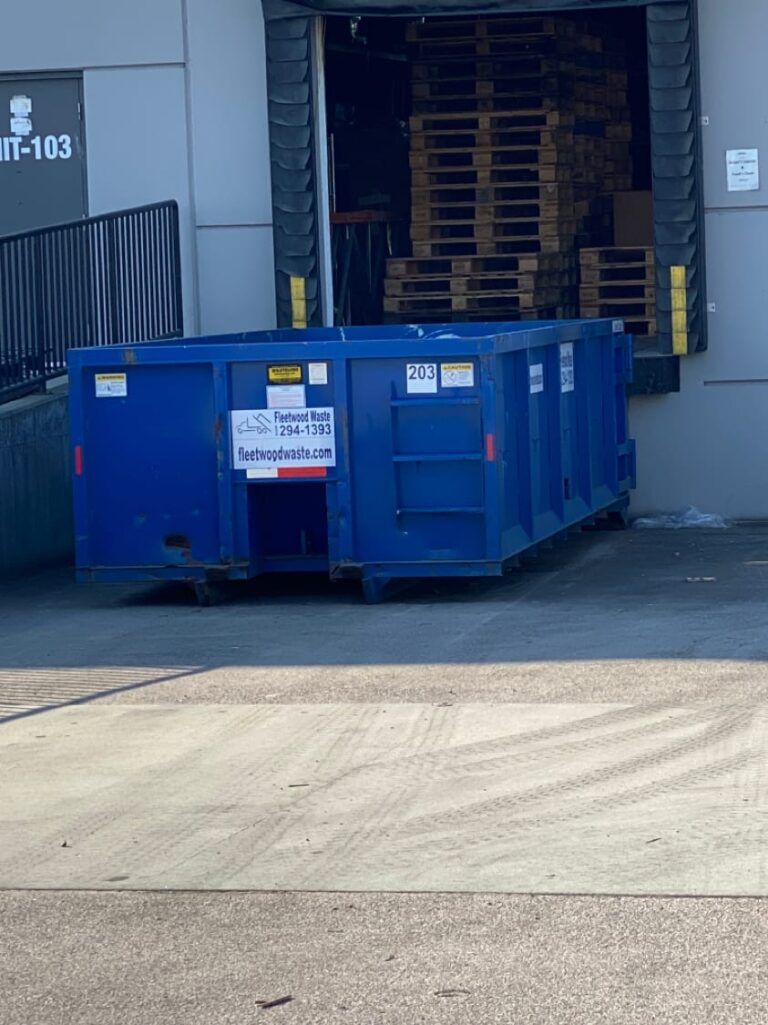
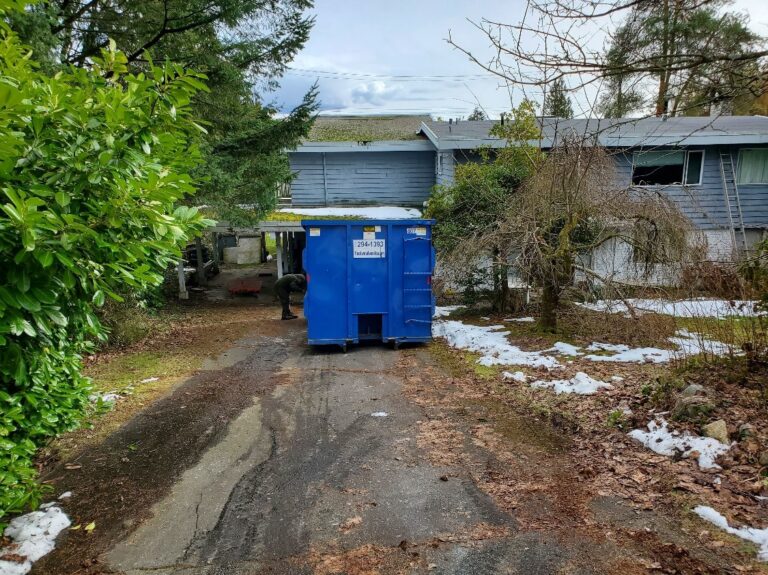
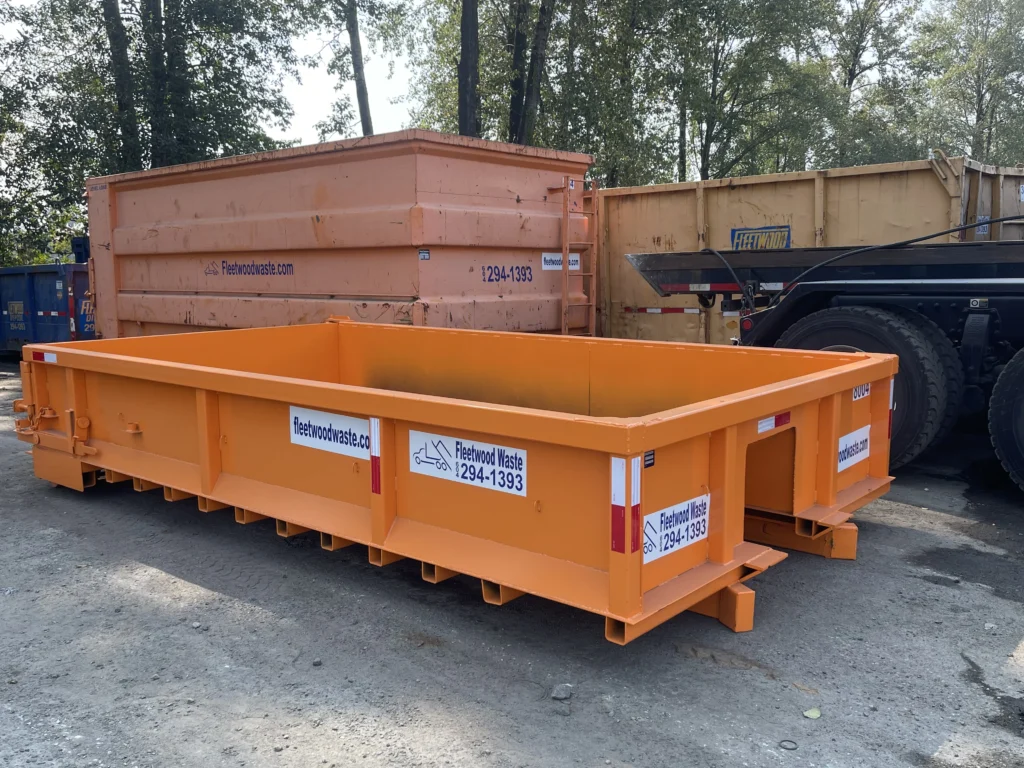
The journey of your waste begins with collection. Depending on where you are, your waste could be collected by a garbage truck, a rented dumpster, or a special disposal bin. People often use dumpster rentals when dealing with large amounts of waste, such as during home renovations or construction projects. If you’re in cities like Surrey or Vancouver, you might hear terms like bin rental in Surrey or construction dumpster in Vancouver when looking for disposal options.
Step 2: Sorting the Waste
Once your waste is collected, it doesn’t all just go to one place. Sorting is a key part of the process. Waste can be divided into different categories:
- Recyclable Materials: Items like plastic, glass, metal, and paper are sorted for recycling. Recycling helps reduce the amount of waste that ends up in landfills.
- Organic Waste: Food scraps and yard waste can be composted and turned into nutrient-rich soil.
- Non-Recyclable Waste: Items that can’t be recycled or composted, like certain plastics and contaminated materials, usually go to the landfill.
This sorting process happens at waste management facilities where experts decide how to deal with each type of waste. In some cases, you might be asked to sort your own waste into recycling bins before it’s picked up.
Step 3: Waste Processing and Treatment
Now that the waste is sorted, the next step is processing or treatment. Here’s how different types of waste are handled:
- Recycling: Items like plastic bottles, aluminum cans, and cardboard are sent to recycling plants. There, they are cleaned, shredded, and turned into new products. Recycling not only saves space in landfills but also reduces the need for new materials.
- Composting: Organic waste like food scraps or yard waste is processed in composting facilities. Over time, it breaks down and turns into compost, which can be used as fertilizer for plants and crops.
- Landfill Disposal: Non-recyclable and hazardous waste that cannot be processed ends up in landfills. Landfills are carefully managed to avoid harming the environment, but reducing landfill waste is essential for the health of our planet.
If you’re working on a construction project, it’s important to choose the right construction dumpster in Surrey or construction bin rental in Vancouver to properly handle different types of waste.
Step 4: Landfills and Their Role
Landfills are specially designed places where non-recyclable waste is stored. They are built to prevent waste from polluting the environment. However, the more waste that goes to landfills, the more space they take up. This is why it’s so important to use services like disposal bin rentals that help reduce the amount of waste sent to landfills by sorting and recycling as much as possible.
Step 5: Waste-to-Energy
Some waste management companies use a method called waste-to-energy. This process turns certain types of waste into energy by burning it at high temperatures. The heat generated can be used to produce electricity. While this reduces the amount of waste going to landfills, it can also cause pollution if not managed correctly.
Step 6: The Importance of Responsible Waste Disposal
Every step of the waste disposal process is important, but the most critical part is reducing the waste we create in the first place. Choosing the right bin or dumpster rental for your project can make sure your waste is disposed of responsibly. Whether you’re working on a home renovation or a construction project, opting for construction bin rental in Surrey or garbage bin rental services can help you manage your waste in an eco-friendly way.
Why Proper Waste Disposal Matters
Improper waste disposal can lead to many environmental problems. It can pollute water, harm wildlife, and contribute to climate change. That’s why it’s important to:
- Recycle whenever possible
- Compost organic waste
- Use appropriate disposal services for hazardous or non-recyclable waste
In cities like Vancouver and Surrey, bin rental services are widely available to make waste management easier for individuals and businesses alike. Renting a dumpster or disposal bin ensures that your waste is handled according to local regulations, keeping your community clean and safe.
Conclusion: Take Action for a Greener Future
Next time you’re working on a project, think about the waste it will create and how you can manage it responsibly. Whether you need a construction dumpster in Vancouver or a disposal bin rental, choosing the right waste disposal solution can make a big difference. Be mindful of what you throw away, and always look for ways to recycle, compost, or repurpose your waste.
If you’re planning a construction project or home renovation, consider renting a dumpster from a local waste management service. Choose from a variety of bin rental options in Vancouver and Surrey to help reduce your environmental footprint while keeping your site clean. Contact us today to find the perfect disposal solution for your needs!
By managing your waste correctly, you’re not only making your project easier but also helping protect the planet for future generations.
Confirm your Fleetwood rental
Rock boxes used for dirt or concrete include three days. Mixed-waste bins include five days. Contact Fleetwood before the agreed pickup if you need an extension, and confirm the additional-day charge and revised collection date in your written quote.
Pricing depends on your delivery city, bin, material and load. Confirm the included weight, loading limits and any applicable charges before booking. Drywall requires a separate drywall-only bin; concrete and dirt require a suitable separate container.