Large construction projects create a lot of waste—from broken bricks to old wood and leftover metal. If this waste is not handled properly, it can cause safety issues, legal trouble, and harm the environment.
In this guide, you’ll learn how to manage, recycle, and dispose of construction waste the right way. We’ll also cover legal rules, smart recycling tips, and eco-friendly solutions to help contractors stay efficient and responsible.
Understanding Construction Waste
Before you throw anything out, know what you’re dealing with. Common types of construction waste include:
-
Concrete and Bricks – From demolition and structural work
-
Wood and Drywall – Used in framing, walls, and flooring
-
Metal Scraps – Steel, aluminum, copper, and more
-
Plastics – Pipes, packaging, insulation
-
Glass – From windows, doors, and partitions
-
Hazardous Materials – Paint, solvents, adhesives, asbestos
Why Proper Waste Disposal Matters
-
Legal Compliance – Local laws often regulate how waste must be handled
-
Environmental Protection – Reduces landfill use and pollution
-
Cost Efficiency – Reusing and recycling can cut costs
-
Improved Site Safety – Organized waste reduces accident risks
How to Manage Large-Scale Construction Waste
1. Plan Waste Management Before You Start
Don’t wait until the waste piles up. Create a waste management plan before the project begins. Include:
-
Setting up waste collection zones
-
Arranging bin rental or haul-away services
-
Researching local recycling centres
2. Sort and Separate Materials On-Site
Use separate bins for different materials:
-
Concrete and bricks
-
Wood and drywall
-
Metal scraps
-
Plastics and glass
Sorting makes recycling easier and reduces your landfill fees.
3. Recycle Materials Whenever Possible
Recycling construction waste keeps it out of landfills and saves resources:
-
Concrete and Bricks – Crushed for use in new builds or road bases
-
Wood – Repurposed or turned into mulch
-
Metal – Easily melted and reused
-
Glass – Recycled into new windows and glass items
4. Use a Dumpster Rental Service
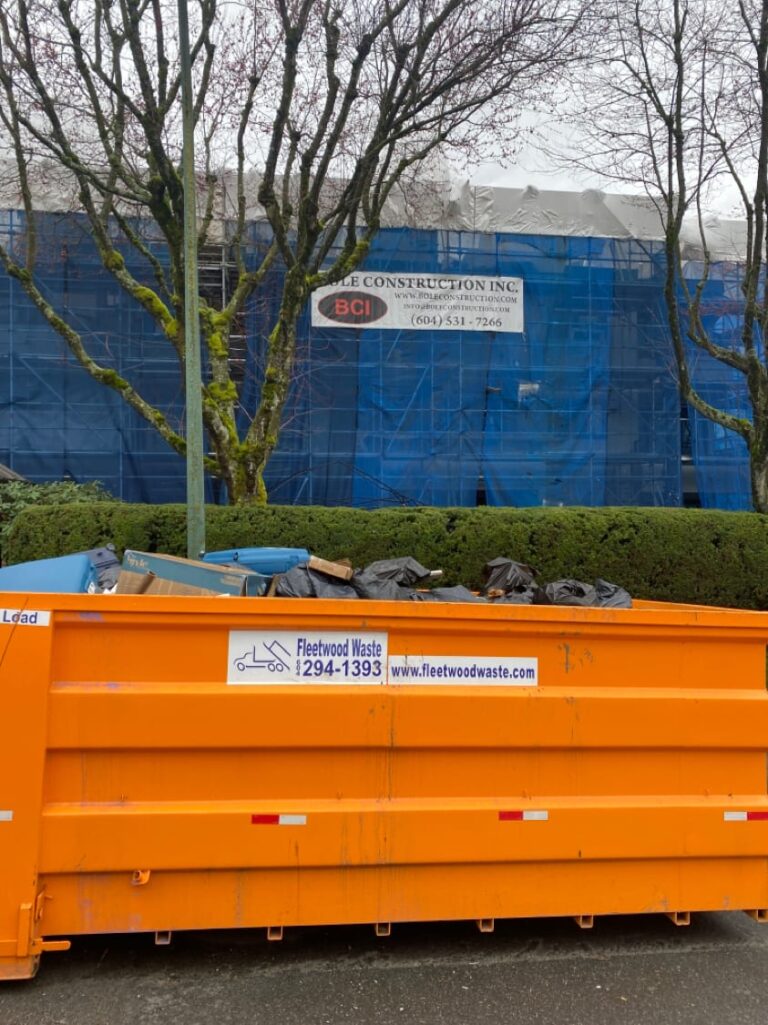
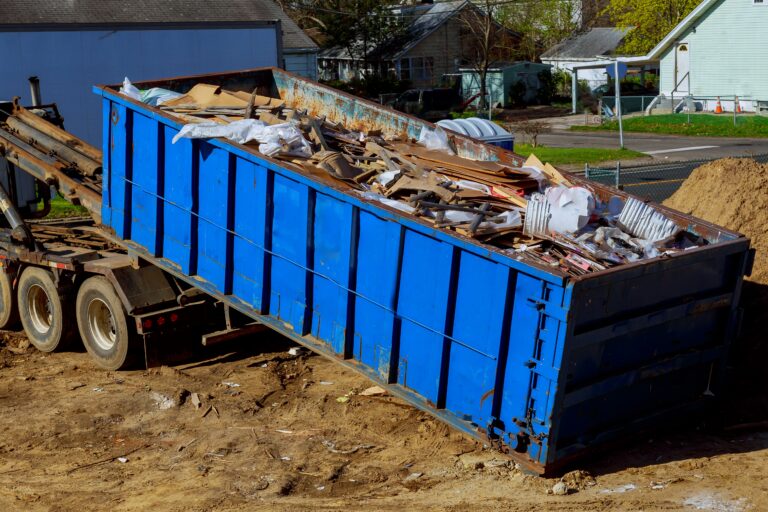
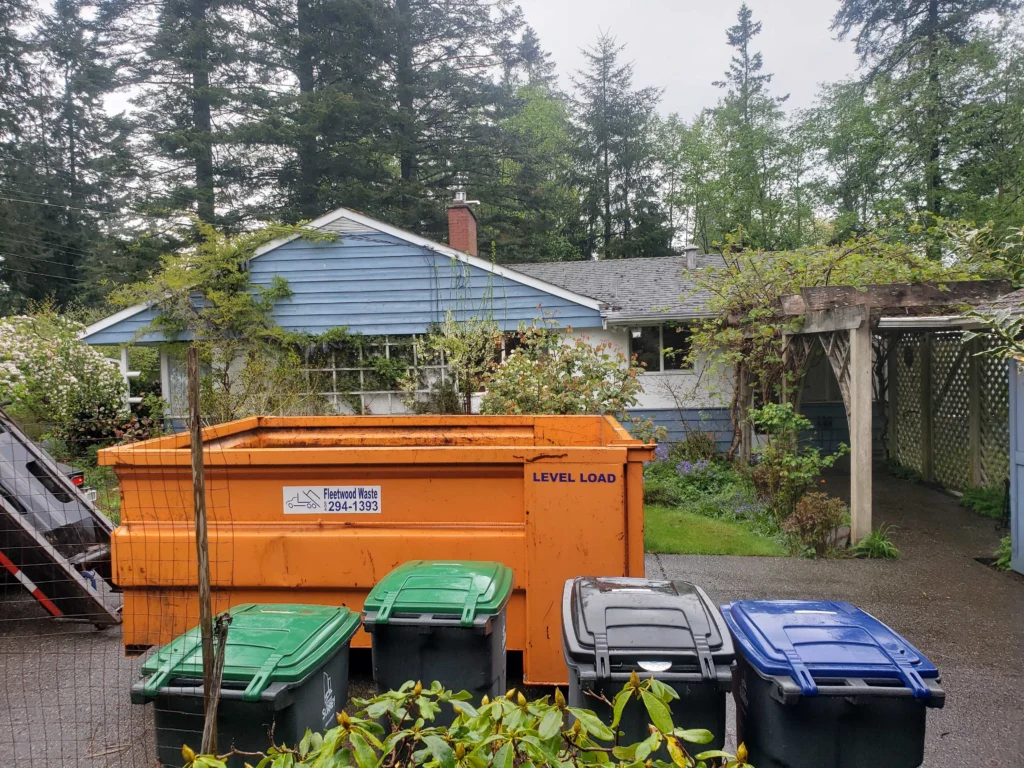
For large amounts of waste, renting a dumpster is smart. Choose a size based on your project’s needs:
-
20-yard bin – For medium-sized projects
-
30-yard bin – For larger jobs
-
40-yard bin – Best for major demolitions
Work with licensed providers who follow proper disposal rules.
5. Donate or Sell Unused Materials
Don’t toss usable materials. Many organizations accept:
-
Extra lumber or drywall
-
Metal beams and piping
-
Doors, windows, and fixtures
You’ll reduce waste and help local communities.
6. Handle Hazardous Waste Carefully
Hazardous waste needs special handling. Common hazardous materials include:
-
Paints and adhesives
-
Asbestos
-
Cleaning solvents
Follow local laws and hire certified disposal services. Never mix hazardous waste with regular trash.
7. Stay Updated on Waste Disposal Laws
Construction waste rules can change. Keep track of:
-
Local recycling rules
-
Government incentives for green building
-
Environmental regulations
Staying informed keeps your business compliant and protects your reputation.
Benefits of Responsible Construction Waste Management
-
Boosts Your Reputation – Clients value ethical and eco-friendly practices
-
Cuts Costs – Reuse and recycling reduce expenses
-
Protects the Environment – Reduces landfill usage and pollution
-
Improves Productivity – Clean, organized sites run more efficiently
Frequently Asked Questions (FAQs)
Q1: What is the best way to dispose of construction debris from a large project?
A: The best way is to create a waste management plan that includes sorting materials, recycling usable items, using a dumpster rental service for large volumes, and working with licensed disposal companies for hazardous waste.
Q2: Can construction materials like wood and metal be recycled?
A: Yes. Most wood can be repurposed or turned into mulch, while metals like steel and aluminum can be melted down and reused in new construction materials.
Q3: How do I know which dumpster size I need for my construction project?
A: It depends on the project’s size and waste volume. A 20-yard dumpster suits small to mid-sized jobs, 30-yard for larger renovations, and 40-yard for major demolitions.
Fleetwood mixed-waste bins can take approved wood, cabinets, flooring, furniture and suitable renovation debris. Keep drywall in a separate drywall-only bin and use an appropriate rock box for approved dirt or concrete. Hazardous waste, chemicals, batteries, appliances, electronics and food waste must stay out of mixed-waste bins.
Q5: How do I properly dispose of hazardous construction waste like paint or asbestos?
A: Hazardous materials must be handled separately. Check your local regulations and partner with certified hazardous waste disposal services. Never place these items in general waste bins.
Partner With Professional Waste Management Services
Managing large-scale construction waste is a big job. Working with a professional service helps you:
-
Save time
-
Stay legal
-
Protect the environment
-
Keep your job site clean and efficient
Need a Dumpster Rental for Your Construction Project?
We offer affordable, eco-friendly bin rental services for projects of all sizes. Contact us today to get started.
Confirm your Fleetwood rental
Rock boxes used for dirt or concrete include three days. Mixed-waste bins include five days. Contact Fleetwood before the agreed pickup if you need an extension, and confirm the additional-day charge and revised collection date in your written quote.
Pricing depends on your delivery city, bin, material and load. Confirm the included weight, loading limits and any applicable charges before booking. Drywall requires a separate drywall-only bin; concrete and dirt require a suitable separate container.