When planning a cleanup, renovation, or business project, you may need a dumpster. But should you rent a residential dumpster or a commercial dumpster? At first glance, both look similar—they’re large containers used to collect trash, junk, or debris. However, they are designed for very different needs.
In this guide, we’ll explain the differences between residential and commercial dumpster rentals, compare costs, cover rules, and answer common questions to help you pick the right one.
What Is a Residential Dumpster Rental?
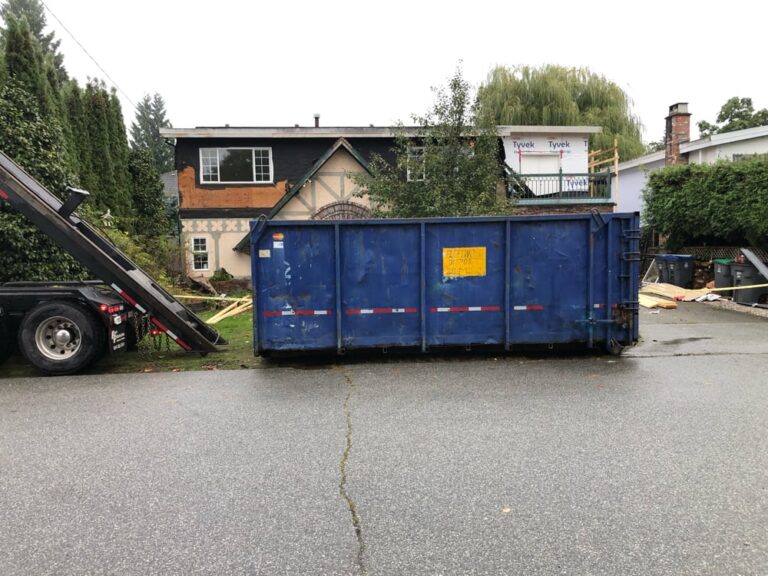
A residential dumpster rental is intended for homeowners, renters, and small-scale projects. These dumpsters are more compact, easy to place in driveways, and rented for short-term use.
Common Uses
- Home remodeling projects – kitchen or bathroom demolition, flooring removal
- Spring cleaning or decluttering – old furniture, boxes, and junk
- Moving prep – tossing unwanted belongings before relocation
- Yard cleanup – tree limbs, soil, grass, and landscaping waste
- Roof replacements – shingles, underlayment, or small amounts of wood
Features
- Sizes typically range from 10 to 20 cubic yards
- Fits in most driveways or tight spaces
- Fleetwood mixed-waste bins include five days. Rock boxes used for dirt or concrete include three days. Confirm any extension, additional-day charge and revised pickup date in your written quote.
- Designed for light to moderate waste volumes
What Is a Commercial Dumpster Rental?
A commercial dumpster rental is meant for businesses, property managers, contractors, and industrial facilities. These dumpsters are larger, stronger, and often paired with scheduled waste collection services.
Common Uses
- Restaurants & retail stores – handling daily garbage and packaging
- Construction sites – hauling away concrete, drywall, bricks, and wood
- Office buildings – disposing of paper, boxes, and general trash
- Warehouses & factories – large-scale waste from operations
- Apartment complexes – shared dumpsters for multiple tenants
Features
- Sizes usually range from 20 to 40 cubic yards or more
- Built for heavy, bulky debris
- Can be rented long-term with recurring pickups
- Often requires a permit if placed on city property
Residential vs Commercial Dumpster Rentals: Side-by-Side Comparison
| Factor | Residential Dumpster | Commercial Dumpster |
| Size | Small (10–20 cubic yards) | Large (20–40+ cubic yards) |
| Best For | Homeowners, renters, small projects | Businesses, contractors, construction sites |
| Placement | Driveway, residential street | Parking lot, job site, industrial property |
| Duration | Short-term (week or two) | Long-term or ongoing |
| Pickup | One-time haul-away | Scheduled pickups (weekly/monthly) |
| Waste | Household junk, yard waste, light construction | Heavy debris, daily business waste, bulk materials |
| Cost | View city pricing | View city pricing |
Cost Comparison: Residential vs Commercial Dumpsters
Dumpster rental prices vary by city, but here’s a general breakdown.
Residential Dumpster Costs
- View city pricing or request a written quote for your bin, material and delivery address.
- Extra fees for overfilling, overweight loads, or extended time
- Cheaper because of smaller size and short-term use
Commercial Dumpster Costs
- View city pricing or request a written quote for your bin, material and delivery address.
- Additional charges for heavy materials (like concrete or steel)
- Long-term contracts may lower monthly costs for businesses
Tip: Always ask about hidden fees before booking—such as overweight charges, fuel surcharges, or restricted materials.
Rules and Restrictions
Whether you choose a home dumpster rental or a business dumpster rental, you’ll need to follow rules:
- No hazardous waste (paint, chemicals, batteries, asbestos)
- Weight limits apply – going over may lead to extra charges
- Permits may be required for street placement
- Local recycling laws must be followed
How to Choose the Right Dumpster Rental
Here’s a quick guide:
- Pick a residential dumpster if you’re a homeowner doing a short project (remodel, cleanup, yard work).
- Pick a commercial dumpster if you’re a business, contractor, or property manager needing long-term service or handling heavy debris.
When choosing a provider, look for:
- Transparent pricing with no surprise fees
- A variety of dumpster sizes
- Good customer reviews and reliability
- Eco-friendly waste disposal practices
Frequently Asked Questions (FAQs)
1. What size dumpster do I need for a home renovation?
For small home projects like a bathroom remodel, a 10-yard dumpster is often enough. For bigger jobs like kitchen renovations or full cleanouts, consider a 15–20-yard dumpster.
2. Can businesses rent residential dumpsters?
Technically yes, but it’s not practical. Businesses usually produce more waste than residential dumpsters can handle. A commercial dumpster is a better fit for long-term or heavy use.
3. How long can I keep a residential dumpster?
Fleetwood mixed-waste bins include five days. Rock boxes used for dirt or concrete include three days. Confirm any extension, additional-day charge and revised pickup date in your written quote.
4. What’s the biggest difference between residential and commercial dumpster rentals?
The biggest difference is scale. Residential dumpsters are for short-term, small projects, while commercial dumpsters are for large-scale or ongoing waste needs.
5. Do I need a permit for a dumpster?
If the dumpster is placed on private property (like a driveway), usually no permit is required. If placed on a public street, many cities require a permit.
Final Thoughts
Choosing between a residential dumpster rental and a commercial dumpster rental depends on your waste volume, project type, and rental duration.
- For home projects and short-term use, residential dumpsters are convenient, affordable, and easy to manage.
- For businesses, contractors, or long-term projects, commercial dumpsters provide larger capacity and scheduled pickups.
Need a dumpster but not sure which type is right for your needs? Contact a trusted local provider today. They can guide you on the right dumpster size, explain pricing clearly, and ensure your project runs smoothly without waste piling up.
Confirm your Fleetwood rental
Rock boxes used for dirt or concrete include three days. Mixed-waste bins include five days. Contact Fleetwood before the agreed pickup if you need an extension, and confirm the additional-day charge and revised collection date in your written quote.
Pricing depends on your delivery city, bin, material and load. Confirm the included weight, loading limits and any applicable charges before booking. Drywall requires a separate drywall-only bin; concrete and dirt require a suitable separate container.