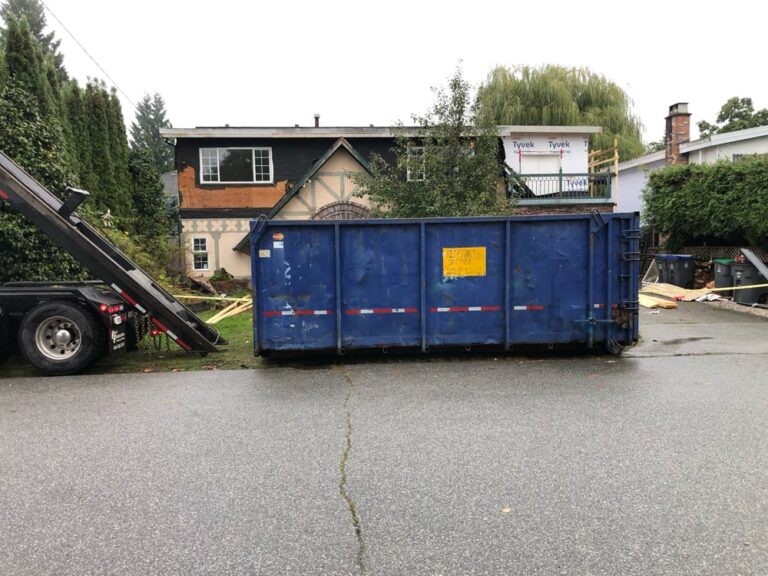
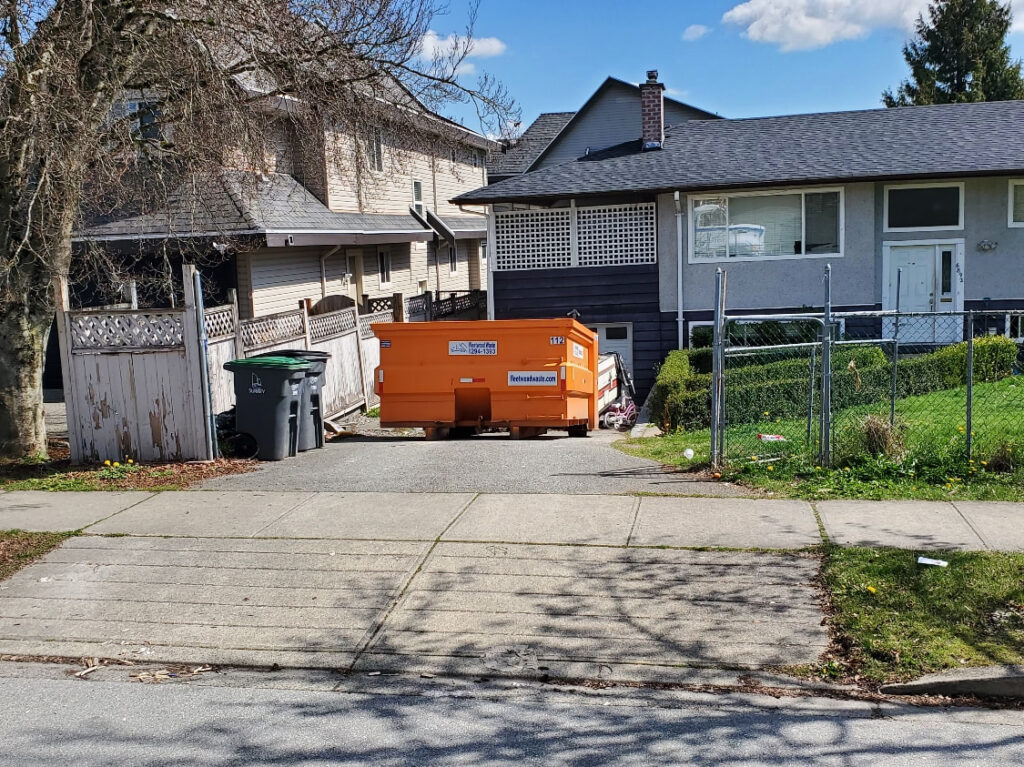
When you start a big project at home or work, one of the biggest challenges is handling the waste. Old furniture, broken appliances, yard debris, construction scraps, and office junk pile up quickly. That’s where a disposal bin rental (also called a dumpster rental, roll-off container, or waste bin service) makes life easier.
By renting a bin, you get an affordable, convenient, and eco-friendly waste management solution. This guide will explain how disposal bins work, how much they cost, the different types available, and smart tips to save money.
What Is Disposal Bin Rental?
A disposal bin rental is when a company delivers a temporary waste container to your location. You fill it with unwanted items, and when you’re done, they pick it up and dispose of everything responsibly.
Common names people search for include:
- Dumpster rental
- Roll-off bin rental
- Waste container hire
- Trash bin rental
This service is perfect for:
- Home renovations and cleanouts
- Yard waste and landscaping projects
- Office and warehouse junk removal
- Construction and demolition debris
- Moving or downsizing
Why Rent a Disposal Bin?
Here’s why both homeowners and businesses prefer renting bins over hauling waste themselves:
1. Affordable and Cost-Effective
Multiple landfill trips cost more in gas, time, and fees. A single flat-rate rental saves money.
2. Saves Time and Energy
You focus on your project while the rental company handles delivery and disposal.
3. Keeps Your Space Safe
Piles of debris can cause accidents. A bin keeps waste in one safe spot.
4. Eco-Friendly Waste Disposal
Reputable companies sort and recycle materials, reducing landfill waste.
5. Flexible Bin Sizes
From small 10-yard bins for garage cleanouts to large 40-yard bins for commercial construction, you can find the right size for your project.
Disposal Bin Rental for Residential Projects
Homeowners often need bins for:
- Kitchen or bathroom renovations – drywall, tiles, and cabinets add up fast.
- Moving or downsizing – old furniture, clothes, and junk go straight in the bin.
- Yard cleanups – branches, soil, and landscaping debris.
- Roofing projects – shingles and roofing material disposal.
Tip: For most household jobs, a 10–20 yard dumpster is the perfect size.
Disposal Bin Rental for Commercial Projects
Businesses, contractors, and property managers rely on bins for:
- Construction and demolition sites – concrete, bricks, lumber, and drywall.
- Office cleanouts – desks, chairs, electronics, and paper waste.
- Retail store cleanups – seasonal packaging, fixtures, and inventory waste.
- Large events – festivals, trade shows, and community cleanups.
Tip: For commercial or industrial waste, 30–40 yard containers are the most efficient.
Types of Disposal Bins
Not all bins are the same. Here are the most common types:
- General Waste Bins – For furniture, appliances, and household junk.
- Construction Bins – Built to handle heavy debris like concrete and bricks.
- Yard Waste Bins – Designed for soil, branches, leaves, and organic material.
- Mixed-Use Bins – Flexible option when your project generates multiple waste types.
How Much Does It Cost to Rent a Disposal Bin?
The cost of dumpster rental depends on:
- Bin size – Larger bins cost more than smaller ones.
- Fleetwood mixed-waste bins include five days. Rock boxes used for dirt or concrete include three days. Confirm any extension, additional-day charge and revised pickup date in your written quote.
- Waste type – Heavy waste like concrete may add extra charges.
- Location – Delivery fees vary by city or rural area.
Average prices:
- Residential bins — View city pricing or request a written quote for your bin, material and delivery address.
- Commercial bins — View city pricing or request a written quote for your bin, material and delivery address.
How to Save Money on Disposal Bin Rental
Here are practical ways to cut costs:
- Pick the right size: Don’t pay for unused space.
- Sort recyclables: Recycling may lower disposal costs.
- Schedule correctly: Avoid paying extra for extending the rental.
- Compare local providers: Get at least 2–3 quotes.
- Follow the rules: Avoid extra fees by not overfilling or dumping restricted waste.
How-To Guide: Renting a Disposal Bin in 5 Easy Steps
- Decide your project needs – Estimate waste type and volume.
- Choose a bin size – 10–20 yards for residential, 30–40 yards for commercial.
- Book your rental – Call or order online with a trusted company.
- Fill the bin – Keep waste inside the fill line to avoid extra charges.
- Schedule pickup – The company hauls it away when you’re done.
Frequently Asked Questions
What size disposal bin do I need for a home renovation?
Most kitchen or bathroom remodels need a 15–20 yard bin, which holds debris like drywall, cabinets, and flooring.
Can I put furniture or appliances in the bin?
Yes, most companies allow furniture, mattresses, and appliances. Always confirm if large electronics need special disposal.
How long can I keep a rented dumpster?
Standard rentals last 5 days, but you can extend for a daily fee.
What items are not allowed in disposal bins?
Hazardous waste, paint, batteries, chemicals, and medical waste are typically prohibited.
Do I need a permit for a bin on the street?
Yes, if your bin is on public property (street or sidewalk), most cities require a permit. Driveway placements usually don’t.
What’s the difference between a roll-off dumpster and a regular waste bin?
A roll-off dumpster is larger and used for construction or large projects, while smaller bins are ideal for household junk removal.
Final Thoughts
Whether you’re renovating your home, cleaning out your garage, managing an office move, or handling a construction site, disposal bin rental is the easiest and most affordable way to manage waste. With the right bin size and company, you’ll save time, money, and effort while keeping your project site safe and clean.
Looking for a reliable and budget-friendly bin rental service? Get a free quote today from a trusted disposal bin provider near you. Save money, save time, and get your project done the smart way.
Confirm your Fleetwood rental
Rock boxes used for dirt or concrete include three days. Mixed-waste bins include five days. Contact Fleetwood before the agreed pickup if you need an extension, and confirm the additional-day charge and revised collection date in your written quote.
Pricing depends on your delivery city, bin, material and load. Confirm the included weight, loading limits and any applicable charges before booking. Drywall requires a separate drywall-only bin; concrete and dirt require a suitable separate container.