 Proudly Canadian
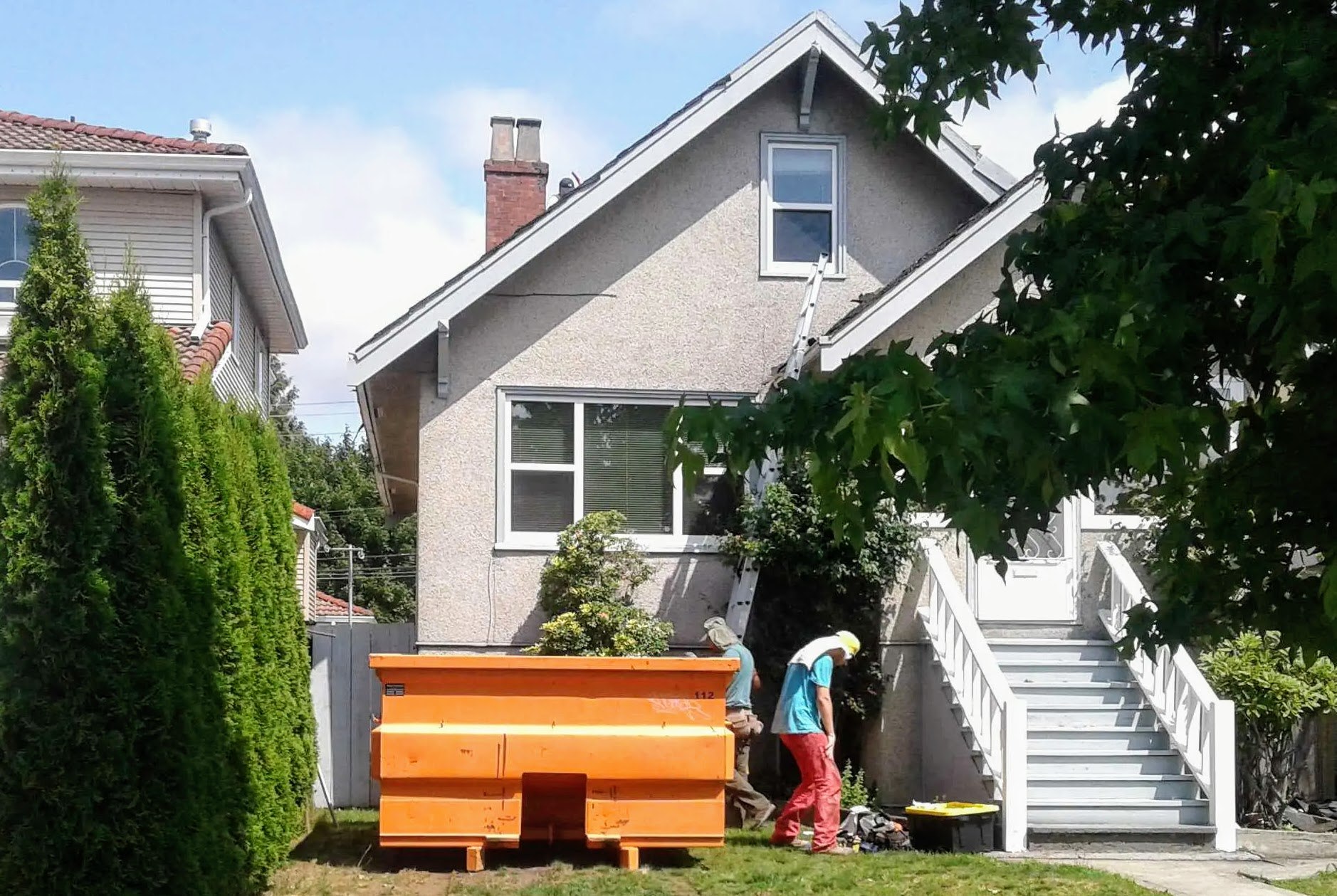
The Roofing Contractors Guide to Bin Rentals
If you plan to dispose of or recycle a large amount of roofing waste, renting a roll-off bin is one of the easiest and safest solutions. This applies to both professional roofing contractors and homeowners replacing their own roof.
Roll-off bins are commonly used in construction, demolition, and renovation projects because they save time, reduce labor, and keep job sites clean. Most bin rental companies also handle waste delivery to approved recycling or disposal facilities, allowing you to focus fully on your roofing project.
This guide explains how to choose the right bin, avoid extra fees, and manage roofing waste correctly.
Step 1: Identify Your Roofing Waste and Check If It’s Recyclable
Before renting a bin, you must understand what materials you will be throwing away.
Most dumpster rental companies accept common roofing materials such as:
-
Asphalt shingles
-
Cedar or wood shingles
-
Roofing tiles
-
Tar and felt
-
Polyurethane materials
However, not all materials can be mixed together.
Important Rule to Avoid Extra Fees
Do not mix roofing waste with:
-
Dirt or soil
-
Concrete
-
Bricks
-
Clean fill or rocks
Mixing restricted materials can lead to rejection fees or additional charges.
Best Practice:
Always ask your bin rental company for a written list of approved and restricted materials before booking. This simple step can prevent costly surprises.
Step 2: Estimate the Volume and Weight of Shingles and Tiles
Roofing materials are heavier than most people expect. Asphalt shingles, especially when wet, add weight very quickly.
Key Things to Consider
-
Older roofs may have multiple layers of shingles
-
Tile roofing is significantly heavier than asphalt
-
Exceeding weight limits results in overage fees
Smart Tip
Most dumpster rental companies recommend renting a bin one size larger than your estimate.
Paying slightly more upfront is often cheaper than:
-
Weight overage charges
-
Project delays caused by a full bin
-
Ordering a second bin mid-project
Step 3: Compare Quotes from Multiple Bin Rental Companies
Never choose the first quote you receive.
Pricing depends on:
-
City or service area
-
Bin size
-
Waste type
-
Weight allowance
-
Rental duration
Some companies include a set number of days (for example, five days) and charge a daily fee after that period.
Best Practice
Contact at least 2–3 dumpster rental providers and compare:
-
Total price (not just base rate)
-
Included weight limits
-
Rental period flexibility
-
Pickup reliability
This ensures you get the best value, not just the lowest price.
Step 4: Build a Long-Term Relationship with a Bin Rental Company (For Contractors)
If you are a professional roofing contractor, long-term partnerships matter.
Benefits of a Regular Dumpster Partner
-
Faster and more accurate quotes
-
Priority scheduling
-
Flexible rental terms
-
Lower long-term costs
-
Better support for large or urgent projects
Reliable waste management can directly improve your project timelines, profitability, and customer satisfaction.
Why Choosing the Right Bin Rental Matters
A clean and organized job site:
-
Improves worker safety
-
Reduces cleanup time
-
Helps meet environmental standards
-
Protects your professional reputation
Experienced local providers understand regional rules, recycling requirements, and permit needs, helping your project run smoothly from start to finish.
Frequently Asked Questions
1. What size bin is best for a roofing job?
Most roofing projects need a 10–20 yard bin. Larger roofs or multiple shingle layers may require 30–40 yards. When unsure, choose one size bigger.
2. Can roofing shingles be recycled?
Yes. Asphalt shingles and metal roofing are often recyclable. Recycling rules depend on the local facility, so confirm accepted materials before renting.
3. What materials are not allowed in roofing bins?
Do not mix roofing waste with dirt, concrete, bricks, or hazardous materials. Mixing restricted items can lead to extra fees.
4. Do roofing bins have weight limits?
Yes. Roofing waste is heavy, and bins include weight limits. Exceeding them results in overage charges. Larger bins help avoid this.
5. Should roofing contractors use one bin rental company long-term?
Yes. Long-term use often means better pricing, faster service, and priority scheduling, which saves time and money.
Need Help with Roofing Waste or SEO-Ready Content?
Work with experts who understand real projects, real users, and real search behavior.
Reach out today to make your next project cleaner, faster, and more profitable.
