Managing industrial waste is a serious responsibility for businesses. Choosing the right bin rental helps you stay compliant with regulations, control costs, and reduce environmental impact. This guide explains how to select the right industrial waste bin in a clear and practical way.
1. Understand Your Waste Types
Start by identifying the types of waste your business produces. Different waste requires different handling and bins.
General Waste
Non-recyclable items such as food waste and contaminated materials.
Recyclable Waste
Paper, cardboard, plastics, metals, and other recyclable materials.
Hazardous Waste
Chemicals, oils, solvents, and materials that can harm people or the environment.
Construction and Demolition Waste
Concrete, bricks, timber, drywall, and heavy debris.
Choosing the correct bin for each waste type helps ensure legal compliance and safe disposal.
2. Estimate Your Waste Volume
Knowing how much waste you generate helps you avoid overflow and unnecessary pickup costs.
Small Bins
Best for offices and small businesses with low waste output.
Medium Bins
Ideal for retail stores, warehouses, and medium-sized operations.
Large Bins
Designed for factories, industrial sites, and construction projects with high waste volumes.
The right bin size improves efficiency and reduces collection frequency.
3. Choose the Right Bin Type
Different industries require different bin designs.
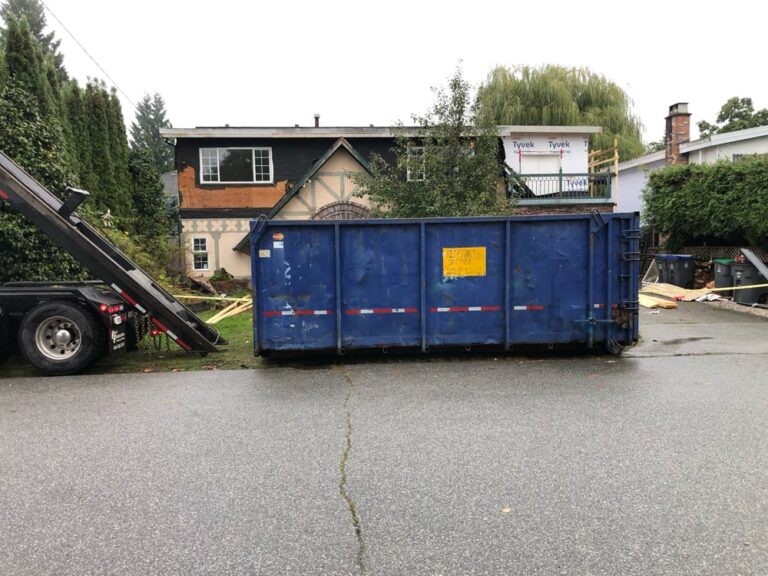
Skip Bins
Suitable for bulky and heavy construction waste.
Wheelie Bins
Easy to move and ideal for daily waste collection.
Compactor Bins
Best for large amounts of compressible waste such as cardboard and packaging.
Hazardous Waste Bins
Specially designed for safe storage and transport of dangerous materials.
Matching the bin type to your waste stream prevents safety issues and inefficiencies.
4. Ensure Regulatory Compliance
Industrial waste disposal is governed by strict regulations. Make sure your bin:
-
Meets local waste management laws
-
Is clearly labeled, especially for hazardous materials
-
Complies with transport and containment standards
Non-compliance can lead to fines, legal action, and environmental damage.
5. Focus on Durability and Quality
Industrial bins must withstand heavy use and harsh conditions.
Look for bins that:
-
Are made from reinforced plastic or steel
-
Resist corrosion and impact damage
-
Have secure lids to prevent spills and odors
High-quality bins last longer and reduce replacement costs.
6. Choose a Reliable Waste Management Provider
A professional provider makes waste management easier and more reliable.
Choose a provider that:
-
Offers multiple bin sizes and types
-
Ensures timely and consistent pickups
-
Supports recycling and sustainable disposal
-
Provides guidance on waste segregation and compliance
A dependable partner helps your business run smoothly.
7. Prioritize Environmental Sustainability
Sustainable waste practices benefit both the environment and your business reputation.
-
Separate recyclable and non-recyclable waste
-
Use bins designed for recycling and composting
-
Work with providers that follow eco-friendly disposal methods
Sustainability can also reduce disposal costs over time.
8. Plan for Cleaning and Maintenance
Poorly maintained bins can cause hygiene and safety issues.
Best practices include:
-
Regular bin cleaning schedules
-
Using liners to reduce contamination
-
Choosing providers that offer bin cleaning services
Clean bins improve workplace safety and extend bin life.
9. Consider Total Cost, Not Just Price
The cheapest option may not be the most cost-effective long term.
Evaluate:
-
Rental versus purchase options
-
Collection frequency and service fees
-
Savings from proper bin sizing and waste separation
The right bin setup helps avoid hidden costs such as fines or excess pickups.
10. Review Your Needs Regularly
Business operations change, and so do waste requirements.
Regularly check:
-
Whether your bin size still fits your waste volume
-
If new waste types require additional bins
-
If business growth needs more frequent collection
Ongoing review ensures efficiency and compliance.
Frequently Asked Questions
1. What size bin is best for industrial waste?
The right size depends on your weekly waste volume. Small bins suit offices, medium bins fit warehouses, and large bins are best for factories and construction sites.
2. What waste can go into an industrial bin?
Industrial bins can hold general waste, recyclables, construction debris, or hazardous waste. Each type must be placed in the correct bin to stay compliant.
3. How do businesses stay compliant with waste disposal laws?
Use approved bins, label hazardous waste, follow local regulations, and work with a licensed waste management provider.
4. Is recycling worth it for industrial waste?
Yes. Recycling reduces landfill use, lowers disposal costs, and supports environmental sustainability.
5. How often should industrial bins be collected?
Collection frequency depends on waste volume and bin size. High-volume sites may need multiple pickups per week.
Need Help Choosing the Right Industrial Waste Bin?
Contact us today to explore our range of industrial bin rentals and get expert advice tailored to your business needs.
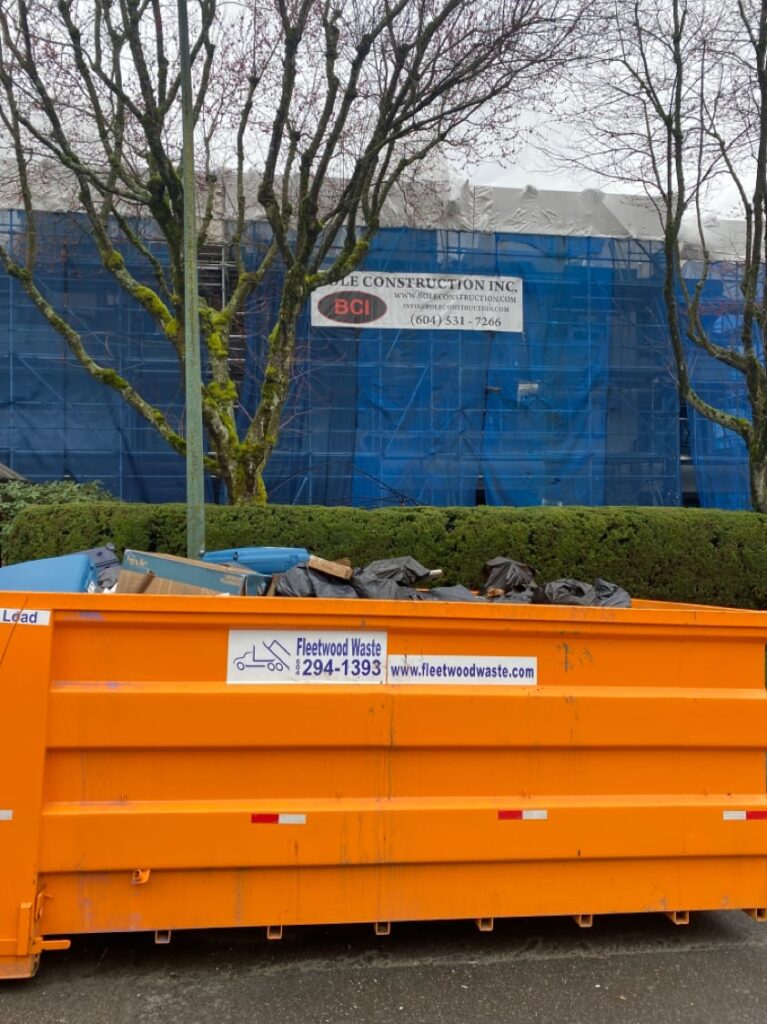
Confirm your Fleetwood rental
Rock boxes used for dirt or concrete include three days. Mixed-waste bins include five days. Contact Fleetwood before the agreed pickup if you need an extension, and confirm the additional-day charge and revised collection date in your written quote.
Pricing depends on your delivery city, bin, material and load. Confirm the included weight, loading limits and any applicable charges before booking. Drywall requires a separate drywall-only bin; concrete and dirt require a suitable separate container.