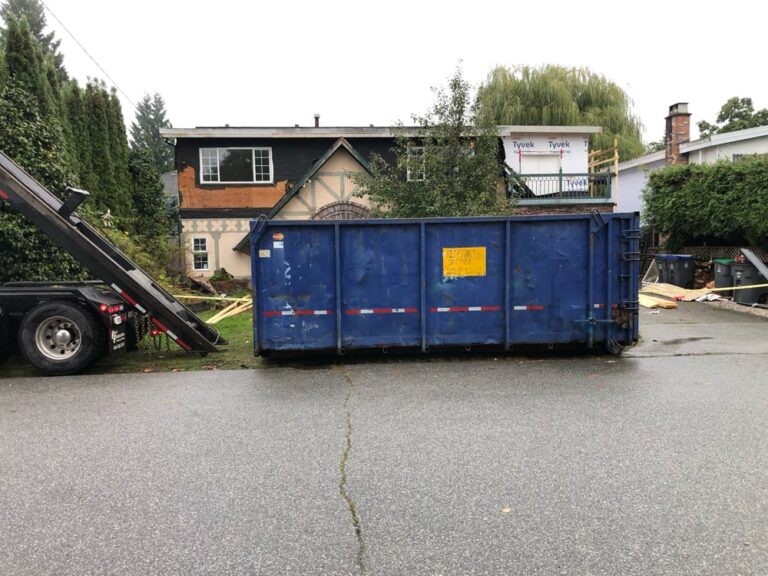
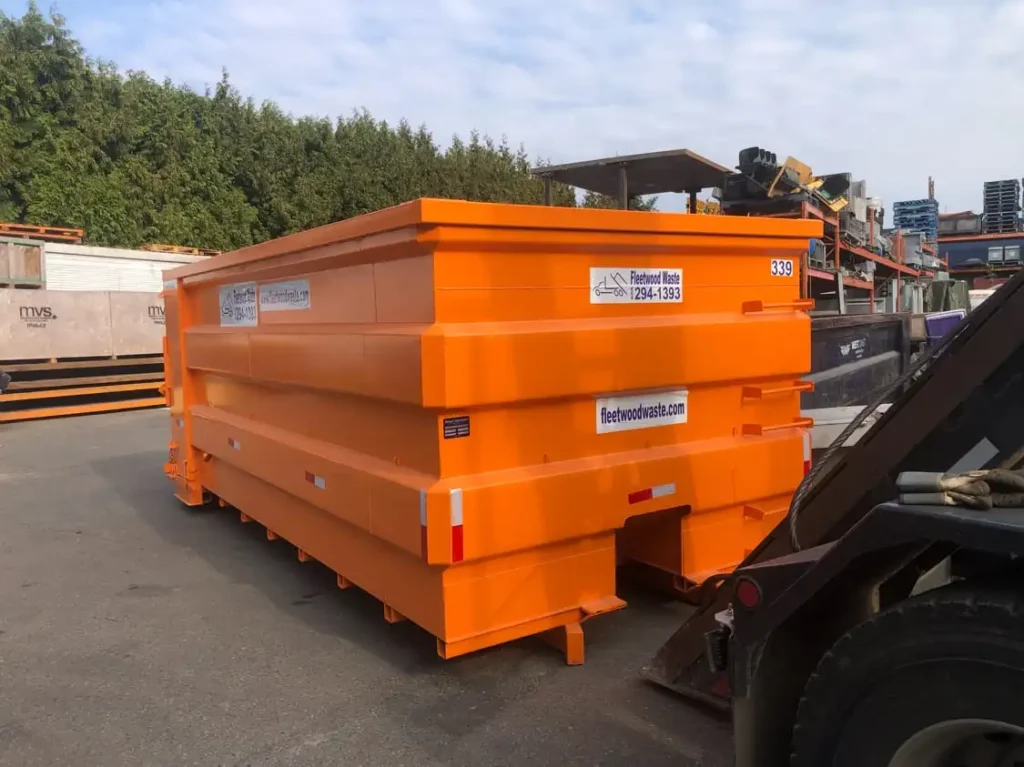
Managing waste can be a big task, whether you’re renovating your home or running a business. Dumpsters help make the job easier by providing a safe and organized way to store garbage temporarily. However, not all dumpster services are the same. Understanding the difference between residential dumpster rental and commercial dumpster rentals will save you money, time, and hassle.
This guide explains what each service offers, the types of waste they handle, sizes, costs, and tips for choosing the right dumpster.
What Is a Dumpster Service?
A dumpster service delivers a large container to your property, allows you to fill it with waste, and then picks it up for disposal or recycling. These services are essential for home projects, commercial construction, office cleanouts, or any large-scale waste needs.
Common Uses:
- Home renovations or remodeling
- Yard clean-up and garden waste
- Construction debris removal
- Office or retail cleanouts
- Industrial or manufacturing waste disposal
Residential Dumpster Service
Residential dumpster services are designed for homeowners and small-scale projects. They are smaller, more affordable, and easier to schedule than commercial dumpsters.
Typical Residential Dumpster Sizes
Residential dumpsters generally range from 10 to 20 yards. Examples include:
- 10-yard dumpsters: Small remodeling projects, furniture removal, small yard cleanups
- 15-yard dumpsters: Medium renovation debris, roofing, or flooring projects
- 20-yard dumpsters: Larger home cleanouts, basement or garage renovations
Key Features
- Short-Term Rentals – Perfect for a few days or weeks.
- Driveway-Friendly Delivery – Small footprint, easy to place on residential property.
- Waste Restrictions – Accept household trash, furniture, yard debris; usually no hazardous materials.
- Affordable Pricing – Flat-rate fees make budgeting simple.
Commercial Dumpster Service
Commercial dumpster services are intended for businesses, construction sites, and large organizations. They are larger, stronger, and capable of handling heavy or mixed waste.
Common Commercial Dumpster Sizes
Commercial dumpsters typically range from 20 to 40 yards and are suitable for:
- Construction sites: drywall, lumber, concrete
- Offices: paper, packaging, furniture
- Retail stores: cardboard, product packaging
- Industrial sites: non-hazardous industrial waste
Key Features
- Higher Capacity – Handles more volume and heavier materials.
- Scheduled Pickups – Weekly or monthly collection for continuous operations.
- Permit Requirements – May need city permits for street placement.
- Special Waste Handling – Can include construction debris, recyclables, and some hazardous items with proper disposal.
- Custom Solutions – Multiple dumpsters or special pickups for ongoing projects.
Differences Between Residential and Commercial Dumpsters
| Feature | Residential Dumpster | Commercial Dumpster |
| Size | 10–20 yards | 20–40+ yards |
| Rental Duration | Short-term (days/weeks) | Long-term (weekly/monthly) |
| Waste Type | Household & yard waste | Construction, office, industrial |
| Permits | Usually not required | Often required for street placement |
| Pricing | Affordable, flat-rate | Higher, may include service fees |
| Delivery | Driveway or curb | Construction site, business premises |
| Pickup | Single or occasional | Scheduled, recurring |
How to Choose the Right Dumpster
Estimate Your Waste Volume
- Small home cleanout: residential dumpster
- Large renovation or office project: commercial dumpster
Check Local Regulations
- Street placement may require permits for commercial dumpsters.
Consider Waste Type
- Household, yard debris, furniture: residential
- Mixed construction, heavy or industrial waste: commercial
Compare Costs
- Residential: simple flat-rate
- Commercial: may include weight fees, extra pickups, or permits
Plan Pickup Schedule
- Residential: single pickup
- Commercial: scheduled pickups to prevent overflow
Tips for Using Your Dumpster Efficiently
- Plan Ahead: Know how much waste you will generate.
- Separate Waste: Recyclables, yard debris, and hazardous items should be sorted.
- Avoid Overfilling: Keep trash below the container’s fill line.
- Check Prohibited Items: Know what the company cannot accept.
- Book Early: Reserve dumpsters before peak seasons.
Benefits of Using Dumpster Services
Residential Dumpster Benefits:
- Convenient for small projects
- Affordable and easy to schedule
- Helps keep your home safe and clean
Commercial Dumpster Benefits:
- Handles large volumes and heavy materials
- Compliance with waste and recycling regulations
- Reduces labor and multiple landfill trips
- Flexible scheduling for ongoing projects
Why Choose a Professional Dumpster Service?
Professional companies bring expertise, authority, and trustworthiness:
- Safe handling of heavy or hazardous materials
- Compliance with local regulations and environmental standards
- Clear pricing with no hidden fees
- Flexible delivery and pickup schedules
Using a trusted dumpster service ensures your project runs smoothly, whether it’s a small residential renovation or a large commercial construction job.
Frequently Asked Questions
1. What size dumpster do I need for a home renovation?
For small renovations like bathroom or kitchen upgrades, a 10-yard dumpster is enough. For larger projects like basement or whole-house cleanouts, 15-20 yards is recommended.
2. Can I rent a dumpster for just a weekend?
Yes, residential dumpster rentals are flexible. Many companies allow rentals from 3 days up to 2 weeks, depending on your project.
3. Are commercial dumpsters more expensive than residential ones?
Typically, yes. Commercial dumpsters are larger, can handle more waste, and often include scheduled pickups, permits, and extra services.
4. Do I need a permit for a dumpster?
Residential dumpsters on private property usually don’t require permits. Commercial dumpsters placed on streets or public areas may require a city permit.
5. What types of waste can I put in a residential dumpster?
Common items include household trash, furniture, yard waste, and renovation debris. Hazardous materials like chemicals, paint, or asbestos are usually prohibited.
Conclusion
Choosing between residential and commercial dumpster services depends on the size of your project, type of waste, and budget. Residential dumpsters are ideal for homeowners with small projects, while commercial dumpsters are best for businesses, construction sites, or ongoing operations.
By understanding the differences and planning ahead, you can save time, money, and effort while keeping your property safe and clean.
Ready to rent a dumpster for your home or business project? Contact us today for expert advice, fast delivery, and competitive pricing to get the perfect dumpster for your needs.
Confirm your Fleetwood rental
Rock boxes used for dirt or concrete include three days. Mixed-waste bins include five days. Contact Fleetwood before the agreed pickup if you need an extension, and confirm the additional-day charge and revised collection date in your written quote.
Pricing depends on your delivery city, bin, material and load. Confirm the included weight, loading limits and any applicable charges before booking. Drywall requires a separate drywall-only bin; concrete and dirt require a suitable separate container.