Drywall, also known as gypsum board or sheetrock, is one of the most common building materials used in homes and buildings. But when you renovate, demolish, or build something new, you often end up with leftover drywall. Getting rid of it the right way is very important. In this guide, we will explain everything you need to know about drywall disposal in Vancouver in simple terms.
Whether you are a homeowner, contractor, or business owner, this article will help you learn how to handle drywall waste safely, legally, and affordably.
Why Drywall Disposal Matters?
Drywall may seem harmless, but it can cause problems if not thrown away the right way. Some drywall, especially older drywall, might contain harmful materials like asbestos. Also, if drywall is mixed with regular garbage, it can damage the environment and lead to fines.
That’s why the City of Vancouver and Metro Vancouver have strict rules for drywall disposal.
Can You Throw Drywall in the Garbage?
No, you cannot toss drywall into your regular garbage bin. Drywall needs to be sorted and taken to special facilities or picked up by approved disposal services.
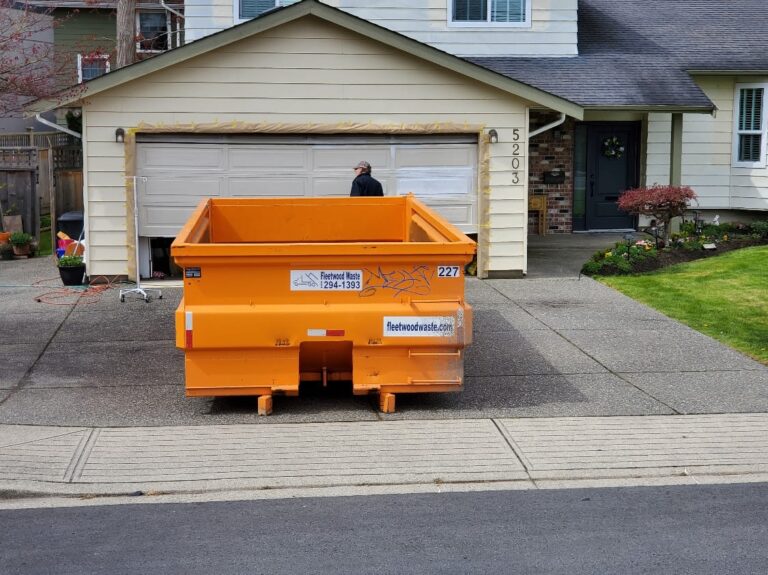
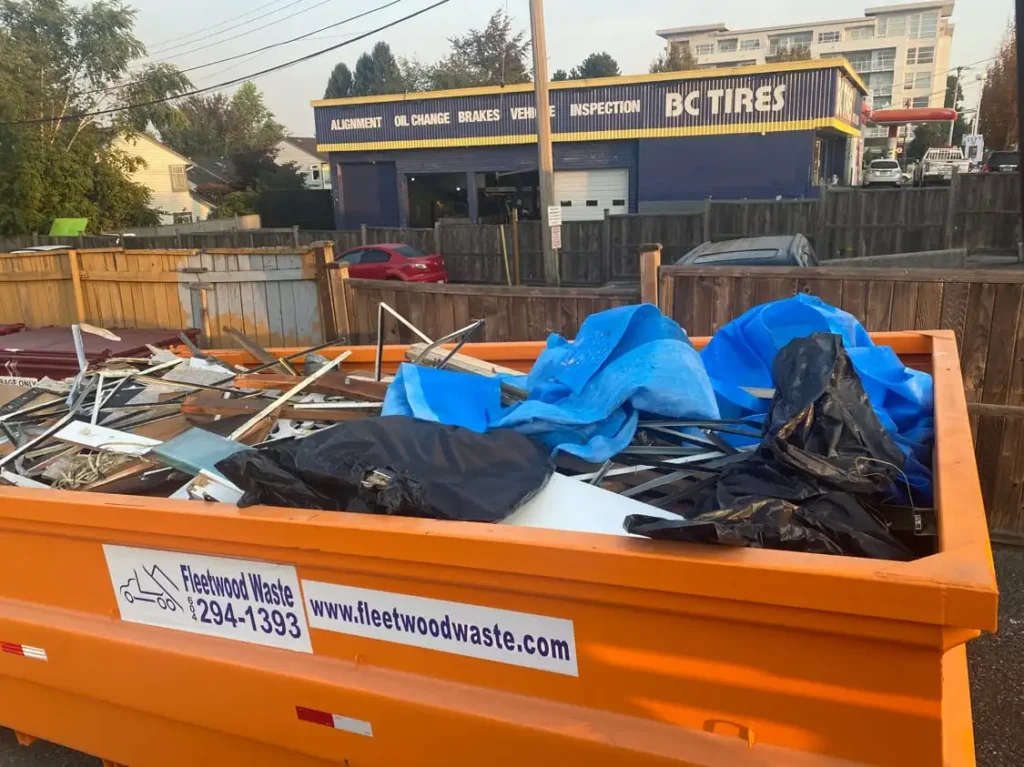
If you’re doing a big project like home renovations or construction, using a Disposal Bin Rental or Dumpster Rental is the easiest and safest way to handle drywall waste.
What Kind of Drywall Can Be Recycled or Disposed of?
Here are the main types:
- Clean drywall: New or unused drywall with no paint, mold, or damage.
- Used drywall: May contain nails, screws, or paint.
- Drywall with asbestos: Must be handled carefully by professionals only.
Most clean and used drywall can be recycled. But anything with asbestos or mold needs special handling.
Rules for Drywall Disposal in Vancouver (2025)
Metro Vancouver requires all drywall waste to be separated and reported. Here are the main rules:
- You must declare drywall at the transfer station or landfill.
- You need to show where the drywall came from (address and project).
- You can’t mix drywall with other types of waste.
- Drywall with asbestos must go to licensed hazardous waste handlers.
Breaking these rules can lead to big fines and extra fees.
Where to Take Drywall in Vancouver?
You have two main options:
1. Take it to an Approved Facility
Fleetwood mixed-waste bins can take approved wood, cabinets, flooring, furniture and suitable renovation debris. Keep drywall in a separate drywall-only bin and use an appropriate rock box for approved dirt or concrete. Hazardous waste, chemicals, batteries, appliances, electronics and food waste must stay out of mixed-waste bins.
2. Use a Bin Rental Service
If you have a lot of drywall, it’s better to use a Garbage Bin Rental, Construction Bin Rental, or Disposal Bin Rental. These services drop off a bin at your location, and you fill it up. They’ll pick it up and make sure the drywall is disposed of the right way.
This is the best option for contractors and large renovation projects.
What Size Bin Do You Need for Drywall?
Fleetwood mixed-waste bins can take approved wood, cabinets, flooring, furniture and suitable renovation debris. Keep drywall in a separate drywall-only bin and use an appropriate rock box for approved dirt or concrete. Hazardous waste, chemicals, batteries, appliances, electronics and food waste must stay out of mixed-waste bins.
- 10-yard bin: Good for small renovation jobs.
- 20-yard bin: Best for medium projects.
- 30-yard bin: Ideal for large construction jobs.
Ask Fleetwood about a separate drywall-only bin and confirm the receiving requirements before delivery. Drywall must not be mixed with general construction waste.
What to Look for in a Bin Rental Service?
Not all bin rental services are the same. Here’s what to look for:
- Experience with construction waste
- Approved to handle drywall and hazardous waste
- Same-day or next-day delivery
- Your Fleetwood written quote should itemize the base rental, included weight and rental period, delivery and pickup arrangements, fuel and transaction fees, applicable taxes and any material-specific charges.
- Licensed and insured
Choosing a reliable Bin Rental Service helps avoid delays, extra costs, and legal problems.
Tips to Make Drywall Disposal Easier
- Plan ahead – Know how much drywall waste you’ll have.
- Keep drywall separate – Don’t mix it with wood, metal, or garbage.
- Use labelled bins – Makes sorting and recycling easier.
- Hire professionals – Especially if there’s old drywall with unknown materials.
- Follow local rules – Always check Metro Vancouver’s current disposal rules.
Why Trust Professional Bin Rental Companies?
When you work with a trusted Dumpster Rental company, you don’t have to worry about what goes where. They know the rules, the best places to drop off waste, and how to avoid fines.
At the same time, they save you time and heavy lifting. Whether it’s a small home reno or a large building site, they can handle everything.
Final Thoughts
Drywall disposal is more than just tossing waste into a bin. It involves following local rules, protecting the environment, and keeping your project safe and legal. Using a trusted Disposal Bin Rental or Garbage Bin Rental service in Vancouver makes drywall disposal simple and stress-free.
If you’re planning a renovation, demolition, or construction project in 2025, make drywall disposal part of your plan from the beginning.
Need a Bin Rental for Drywall Disposal?
We offer reliable, fast, and affordable Bin Rental Services across Vancouver. Whether you need a small bin for drywall or a large container for construction waste, we’ve got you covered.
Call us today or book online to get started! Let us help you keep your job site clean and compliant.
Confirm your Fleetwood rental
Rock boxes used for dirt or concrete include three days. Mixed-waste bins include five days. Contact Fleetwood before the agreed pickup if you need an extension, and confirm the additional-day charge and revised collection date in your written quote.
Pricing depends on your delivery city, bin, material and load. Confirm the included weight, loading limits and any applicable charges before booking. Drywall requires a separate drywall-only bin; concrete and dirt require a suitable separate container.