FleetwoodYard work keeps your home looking neat and healthy. But once the mowing, trimming, and pruning are done, a big question comes up: what do you do with all that yard waste?
Grass clippings, leaves, branches, and garden debris can pile up fast. If not handled the right way, they can attract pests, smell bad, or even violate local waste rules.
What Is Yard Waste?
Yard waste (also called green waste) includes natural debris from outdoor cleaning or landscaping.
Common types of yard waste:
- Grass clippings
- Leaves and pine needles
- Tree branches and twigs
- Shrubs, bushes, and hedge trimmings
- Weeds and dead plants
- Garden clean-up waste
What yard waste does NOT include:
- Plastic pots or bags
- Treated wood
- Rocks, dirt, or concrete
- Food waste
- Construction debris
Knowing the difference matters because many cities have rules about how yard waste should be handled.
Why Proper Yard Waste Removal Matters
Getting rid of yard waste the right way is not just about looks.
Here’s why it’s important:
- Prevents pests like rats, snakes, and insects
- Reduces fire risk in dry seasons
- Helps protect the environment
- Keeps neighborhoods clean
- Avoids fines from local councils
In many areas, yard waste is banned from regular trash because it can be reused or recycled.
Best Ways to Get Rid of Yard Waste
Below are the most effective and commonly recommended methods for yard waste disposal, explained simply.
1. Curbside Yard Waste Pickup (If Available)
Many cities offer yard waste removal services as part of regular garbage pickup.
How it works:
- Place yard waste in approved paper bags or bins
- Tie branches into bundles (check size limits)
- Put them at the curb on collection day
Pros:
- Easy and convenient
- Often low-cost or free
- Environmentally responsible
Cons:
- Strict rules on bag type and weight
- Limited pickup days
2. Composting Yard Waste at Home
Composting is one of the best eco-friendly yard waste removal methods.
Good for composting:
- Grass clippings (in small amounts)
- Leaves
- Plant trimmings
- Weeds without seeds
Not good for composting:
- Thick branches
- Diseased plants
- Invasive weeds
Benefits of composting:
- Reduces waste sent to landfills
- Creates free fertilizer for your garden
- Improves soil health
Composting does require some space, time, and basic care—but the reward is long-term.
3. Mulching Grass Clippings and Leaves
Mulching means cutting yard waste into smaller pieces and leaving it on your lawn or garden soil.
Mulching helps by:
- Adding nutrients back into the soil
- Keeping moisture in the ground
- Reducing the need for fertilizers
Most modern lawnmowers have a mulch setting that makes this easy.
This is a smart solution if you mow regularly and don’t let grass grow too long before cutting.
4. Yard Waste Drop-Off Centers
Many communities have green waste recycling centers where you can drop off yard debris.
What to expect:
- Some centers are free; others charge a small fee
- You may need to separate branches, leaves, and grass
- Proof of residence is sometimes required
Ideal for:
- Large cleanups
- Seasonal leaf removal
- Tree trimming projects
This option works well when curbside pickup limits are too small.
5. Hiring a Yard Waste Removal Service
For big jobs, professional help can save time and energy.
When to hire a yard waste removal company:
- After storm damage
- Large tree or hedge removal
- Full yard cleanups
- Rental property turnovers
What professionals handle:
- Heavy branches
- Large volumes of waste
- Proper disposal and recycling
6. Renting a Dumpster for Yard Waste
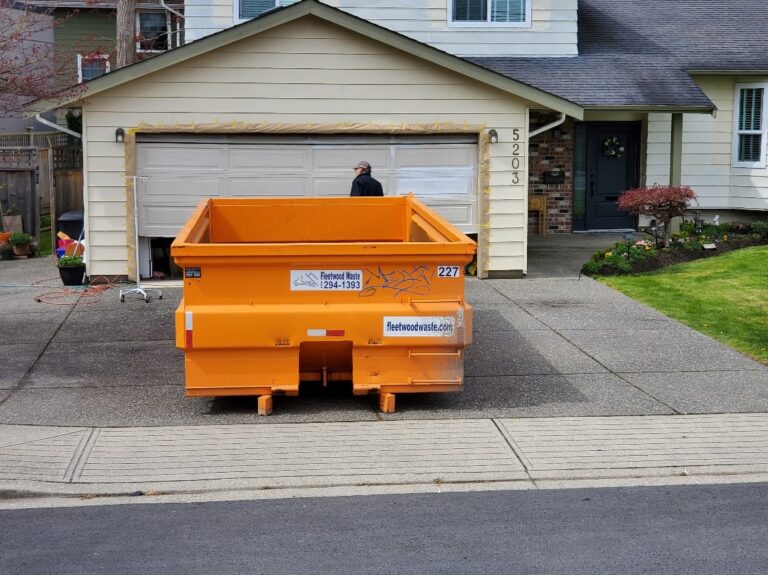
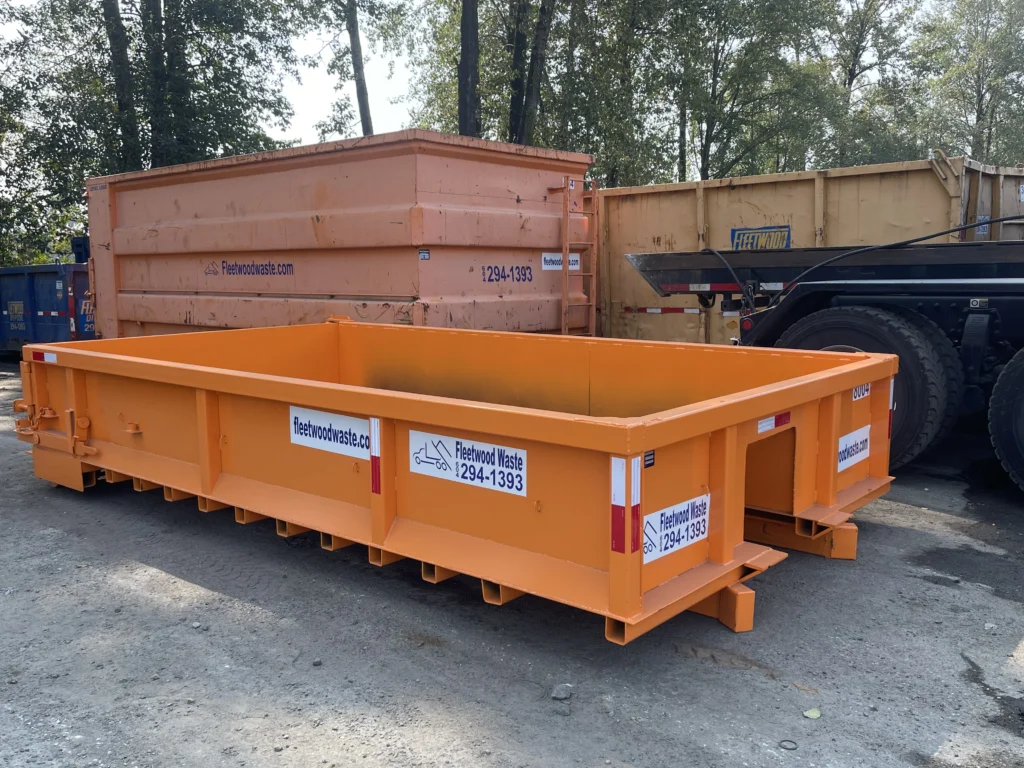
For very large projects, a yard waste dumpster rental may be helpful.
Best for:
- Full landscape redesigns
- Clearing overgrown properties
- Community or commercial projects
Make sure the dumpster is approved for organic waste only, as mixing materials can add extra fees.
7. Burning Yard Waste (Only Where Legal)
In some rural areas, burning yard waste is allowed—but in many places, it is illegal or restricted.
Risks of burning yard waste:
- Fire hazards
- Air pollution
- Health risks from smoke
Always check local laws before considering this option. In most cases, safer alternatives exist.
Yard Waste Removal: What NOT to Do
Avoid these common mistakes:
- Dumping yard waste in empty lots or forests
- Putting green waste in regular trash bins
- Using plastic bags where banned
- Ignoring local disposal rules
Improper disposal can harm wildlife and lead to fines.
Environmental Benefits of Proper Yard Waste Disposal
When yard waste is handled correctly:
- It is turned into compost or mulch
- Landfills stay less crowded
- Greenhouse gas emissions are reduced
- Soil quality improves in communities
This makes responsible yard waste removal a small action with a big impact.
How to Choose the Best Yard Waste Removal Method
Ask yourself:
- How much yard waste do I have?
- Do I have time to compost or mulch?
- Does my city offer curbside pickup?
- Is this a one-time or ongoing need?
For small amounts, mulching or composting works best.
For large cleanups, professional services or drop-off centers are more practical.
Frequently Asked Questions
What is the cheapest way to remove yard waste?
Mulching and composting at home are usually the lowest-cost options.
Can yard waste go in regular trash?
In most cities, no. Yard waste must be separated for recycling or composting.
How do I get rid of large tree branches?
Bundle them for curbside pickup, take them to a recycling center, or hire a yard waste removal service.
Is yard waste removal environmentally friendly?
Yes—when composted or recycled, yard waste becomes a resource instead of landfill waste.
How often should yard waste be removed?
This depends on your yard size and season. Most homeowners manage it weekly or seasonally.
Key Takeaways
- Yard waste includes natural lawn and garden debris
- Several safe and legal disposal options exist
- Composting and mulching are eco-friendly choices
- Professional yard waste removal is best for large jobs
- Always follow local regulations
Proper yard waste removal keeps your home clean, your community safe, and the environment healthy.
Need Help With Yard Waste Removal?
If you’re dealing with piled-up branches, lawn clippings, or a full yard cleanup, professional help can make life easier.
Contact a local yard waste removal service today to get fast, safe, and eco-friendly disposal—so you can enjoy a clean yard without the hard work.
Confirm your Fleetwood rental
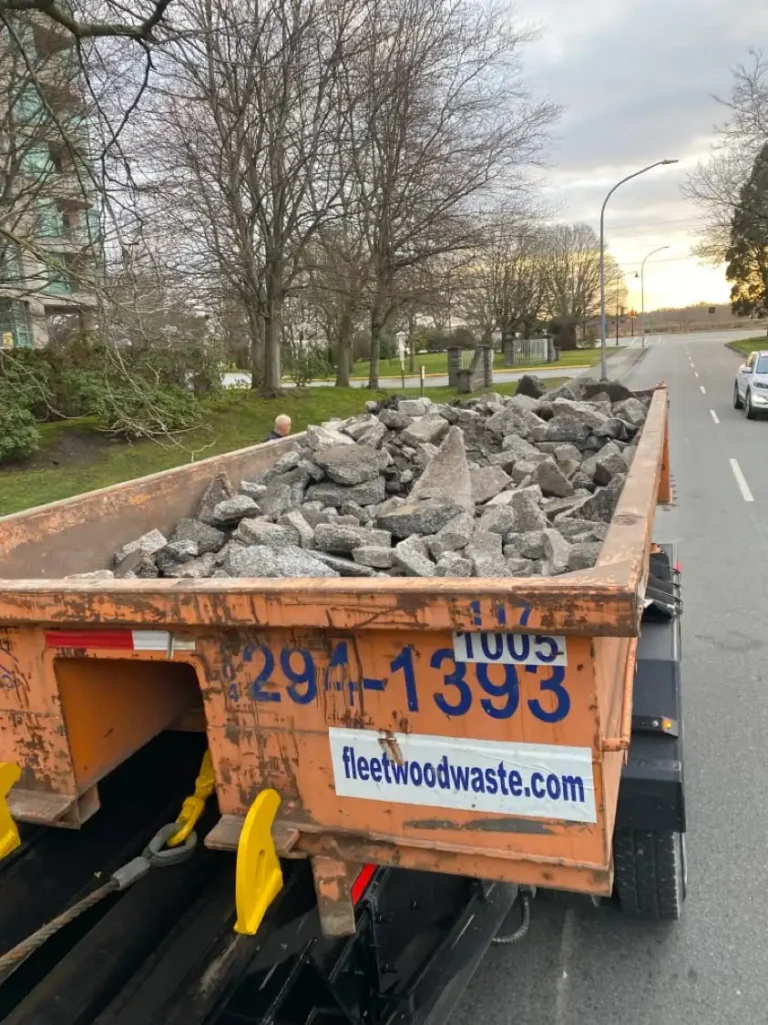
Rock boxes used for dirt or concrete include three days. Mixed-waste bins include five days. Contact Fleetwood before the agreed pickup if you need an extension, and confirm the additional-day charge and revised collection date in your written quote.
Pricing depends on your delivery city, bin, material and load. Confirm the included weight, loading limits and any applicable charges before booking. Drywall requires a separate drywall-only bin; concrete and dirt require a suitable separate container.