When it’s time to replace an old deck, fence, or garden bed, many homeowners run into the same question:
“What do I do with all this treated wood?”
It’s not something you can just toss into your garbage bin or burn in your backyard. Treated wood contains chemicals that help it last longer outdoors, but those same chemicals mean it needs special handling and disposal.
This guide breaks down everything you need to know about treated wood disposal in BC — where to take it, what not to do, and how to get rid of it safely and responsibly.
What Is Treated Wood, and Why Does It Need Special Disposal?
Treated wood (also known as pressure-treated lumber) is wood that’s been soaked or infused with preservatives to prevent rot, mold, and insect damage.
You’ll find it in decks, fences, garden posts, and even outdoor furniture.
Those preservatives — often made with copper, arsenic, or other chemicals — protect the wood but make it unsafe to recycle, compost, or burn.
That’s why treated wood needs to be separated from your regular wood waste before it’s taken to a disposal site.
Why You Shouldn’t Burn or Recycle Treated Wood
It might be tempting to throw treated wood on a campfire or take it to a wood recycling depot — but don’t.
Burning Treated Wood Is Dangerous
When burned, treated wood releases toxic gases and heavy metals like arsenic and chromium into the air. The ash that’s left behind can contaminate your soil and groundwater.
The BC Ministry of Environment strictly prohibits burning treated wood anywhere in the province — even in small backyard fires.
Recycling Treated Wood Doesn’t Work
Most recycling programs in BC only accept clean, untreated wood.
Once wood has been chemically treated, it can’t be safely recycled without spreading contamination. That’s why recycling depots will usually turn away pressure-treated wood.
Can You Throw Treated Wood in the Garbage in BC?
In short: no, not in your household garbage.
Your regular curbside pickup won’t take treated wood because it doesn’t belong in the landfill with everyday waste.
But don’t worry — there are still several safe and legal options for disposing of treated lumber in BC.
Where to Take Treated Wood Waste in BC
Here’s how to get rid of it the right way:
1. Local Transfer Stations and Landfills
Most regions in BC have designated drop-off locations that accept treated wood. A few examples include:
- Vancouver South Transfer Station
- Surrey Transfer Station
- Coquitlam Transfer Station
- North Shore Transfer Station
- Richmond Recycling Depot
Each facility has its own rules and fees, so it’s smart to call ahead or check online before you go. Ask directly if they accept treated lumber — not all do.
2. Private Bin Rental and Waste Collection Services
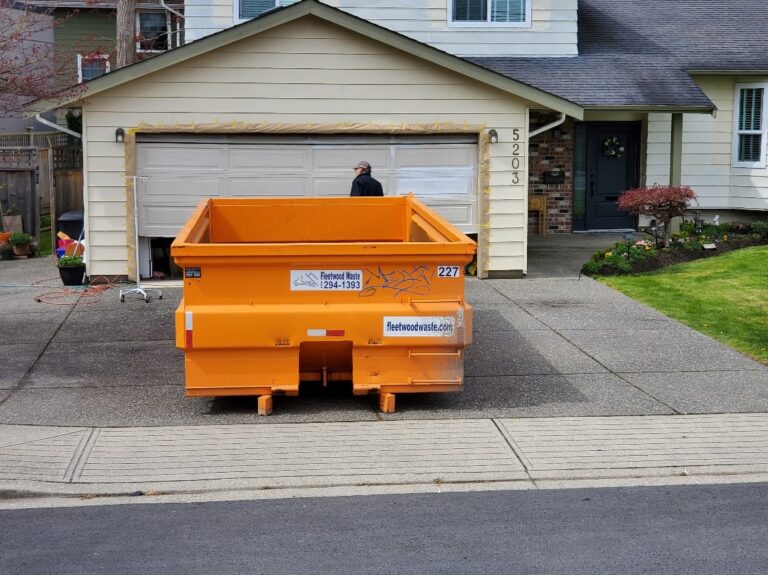
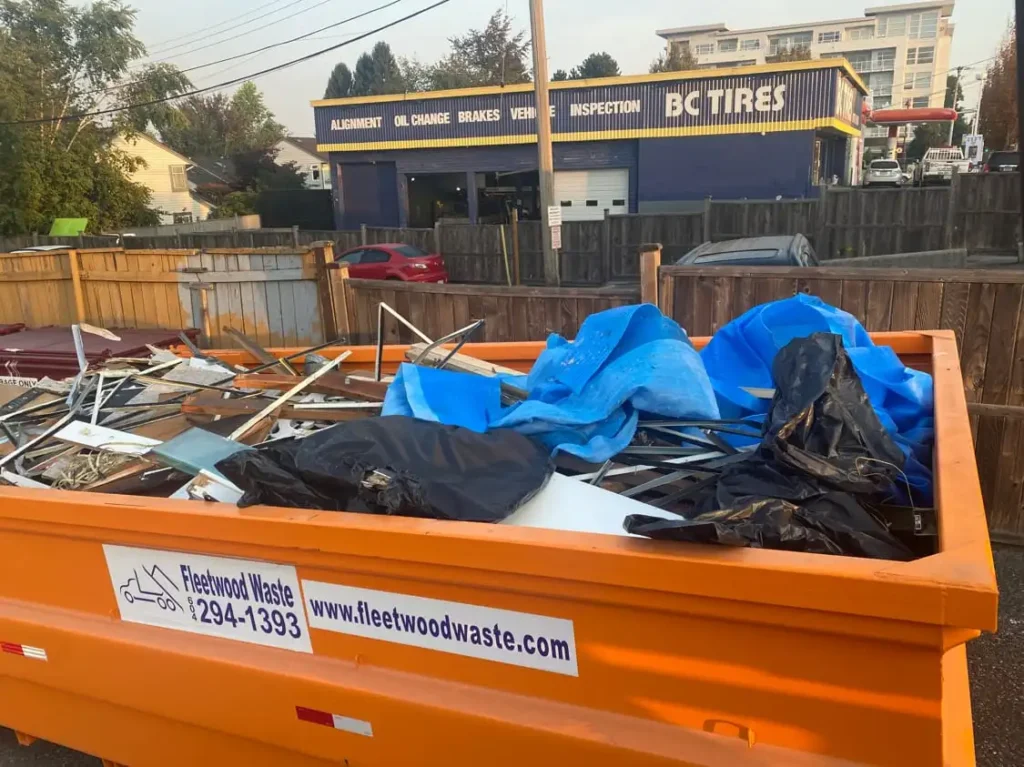
If you’re replacing a deck, fence, or doing a larger home project, you might have a lot of treated wood. In that case, renting a disposal bin is usually the easiest way to manage it.
When you book, tell the company that your load includes pressure-treated wood. They’ll make sure it’s disposed of safely through licensed waste facilities.
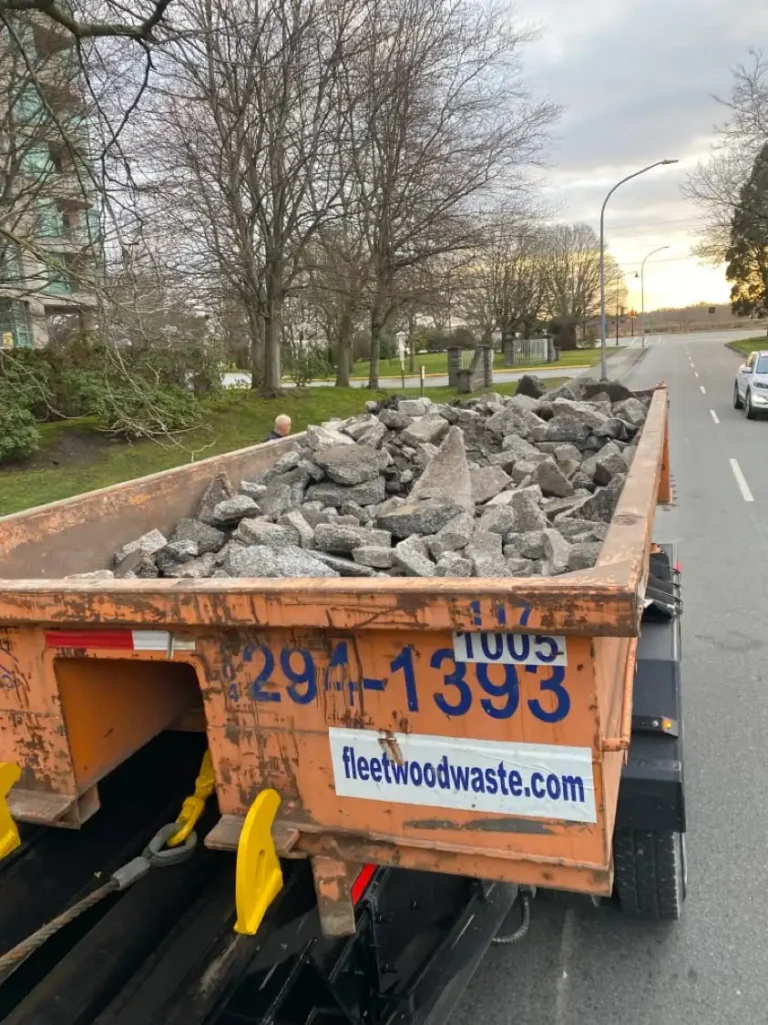
Many bin rental services in Vancouver, Surrey, and Burnaby offer mixed construction waste bins — a convenient option if you also need to get rid of concrete, drywall, or dirt.
3. Municipal Hazardous Waste Programs
Some cities in BC organize special collection days for hazardous or hard-to-dispose-of materials — and that sometimes includes treated wood.
Check your local city website or waste collection calendar. These programs are great for smaller loads from home projects.
How to Tell If Your Wood Is Treated
Not sure whether your old fence boards or deck planks are treated?
Here’s how to tell:
- Color: Treated wood often has a greenish, brown, or yellow tint.
- Tag or Stamp: Look for markings that say Treated, PT, CCA, or ACQ.
- Smell: Treated wood can have an oily or chemical odor.
- Age: If your deck or fence was built before 2003, it might contain arsenic-based treatment (CCA), which needs extra care.
When in doubt, treat it as treated. It’s always safer to dispose of it through the proper channels.
What Happens to Treated Wood After You Drop It Off?
At approved disposal sites, treated wood doesn’t get recycled — it’s managed as controlled waste.
That means it’s sent to a lined landfill where the chemicals can’t leak into the soil or water, or it’s incinerated in specialized facilities that neutralize toxic compounds.
This process keeps harmful materials out of the environment and aligns with BC’s strict environmental protection standards.
Eco-Friendly Ways to Handle Treated Wood Waste
Even though treated wood can’t be recycled, there are still responsible ways to deal with it:
- Reuse It (If Safe): You can repurpose treated wood for small outdoor projects like garden borders, retaining walls, or fence posts — just don’t use it near edible plants.
- Separate It From Other Waste: Always keep treated wood apart from clean lumber or recyclable wood.
- Take It to an Approved Facility: Use official disposal sites or bin rental services.
- Never Dump It Outdoors: Illegal dumping harms wildlife and contaminates soil and water.
Following these steps helps reduce pollution and supports cleaner communities in BC.
Frequently Asked Questions
1. Why can’t treated wood be recycled?
Because it’s been infused with chemicals to prevent rot and pests. These chemicals make the wood unsafe to process or reuse in recycling facilities.
2. Can I take treated wood to the dump?
Yes — most landfills and transfer stations in BC accept treated wood. But always call first to make sure they do, since not every site handles hazardous wood waste.
3. What happens if you burn treated wood?
Burning treated wood releases toxic fumes that can harm your lungs and pollute the air. The leftover ash can also poison soil. It’s illegal to burn treated wood anywhere in BC.
4. What’s the best way to dispose of treated wood in BC?
The safest method is to separate it and take it to an approved disposal site or hire a licensed bin rental company that handles treated lumber.
5. Is there an eco-friendly alternative?
If your wood is in good shape, reuse it for outdoor, non-contact projects. Otherwise, proper disposal through a registered facility is the most eco-friendly option.
Key Takeaways
- Don’t burn or recycle treated wood. It’s hazardous waste.
- Take it to an approved landfill or transfer station. Always call first to confirm.
- Separate it from clean wood. This prevents contamination.
- Use licensed waste services. They know how to handle treated materials safely.
- Reuse responsibly. Treated wood can still be useful if handled correctly.
Ready to Dispose of Treated Wood Safely?
If you’re starting a home renovation or cleanup project, don’t risk a fine or environmental damage.
Get in touch with a licensed waste management or bin rental company near you.
They can help you handle treated wood, construction waste, dirt, and concrete — all in one go, safely and legally.
Search online for “treated wood disposal near me” or contact your local BC transfer station today to find out drop-off hours and pricing.
Let’s keep BC clean, green, and safe — one project at a time.
Confirm your Fleetwood rental
Rock boxes used for dirt or concrete include three days. Mixed-waste bins include five days. Contact Fleetwood before the agreed pickup if you need an extension, and confirm the additional-day charge and revised collection date in your written quote.
Pricing depends on your delivery city, bin, material and load. Confirm the included weight, loading limits and any applicable charges before booking. Drywall requires a separate drywall-only bin; concrete and dirt require a suitable separate container.