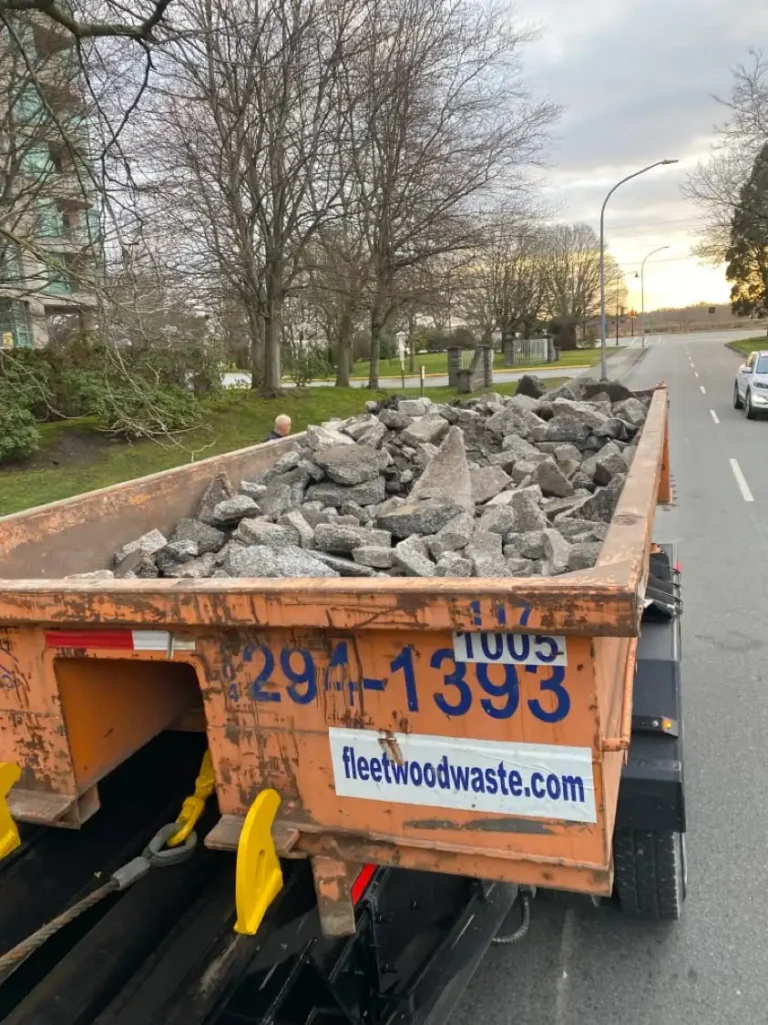
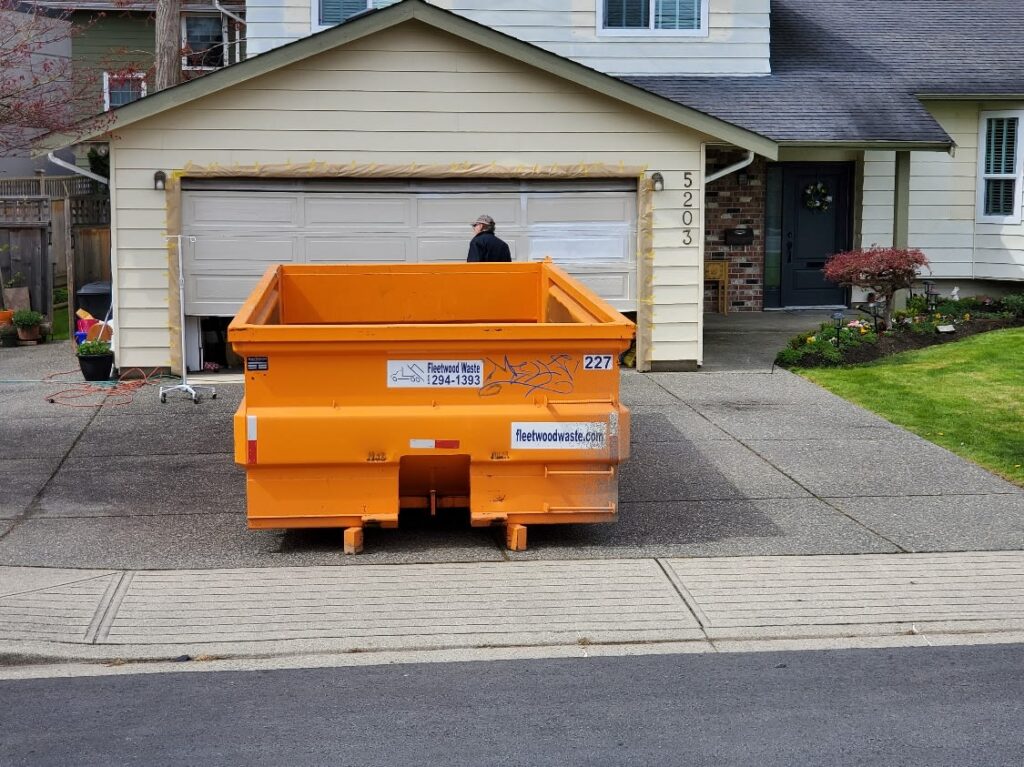
When working on construction, renovation, or landscaping projects, waste disposal is one of the most confusing parts. Many people ask:
Can concrete, dirt, and drywall disposal go in the same dumpster?
The short answer is no—most of the time, these materials need separate bins.
This guide explains why these materials must be separated, how disposal rules work, and how choosing the right bin can save you money, time, and fines.
Why Some Materials Need a Separate Bin
Not all construction waste is treated the same. Concrete, dirt, and drywall are heavy and processed differently from mixed junk or household waste.
Key reasons for separate bins:
- Weight limits: Heavy materials can exceed dumpster limits quickly
- Recycling rules: Many facilities recycle concrete and drywall
- Landfill restrictions: Dirt and clean fill are not treated as garbage
- Cost control: Mixed bins cost more to dump and sort
Understanding this helps you choose the right construction bin rental and avoid surprise fees.
Concrete Disposal: Always Needs a Separate Bin
Concrete is one of the heaviest construction materials. This includes:
- Broken concrete slabs
- Sidewalk and driveway concrete
- Cinder blocks
- Reinforced concrete (with rebar removed if required)
Why does concrete need its own bin
Concrete is crushed and recycled into road base or aggregate. Landfills and recycling centers do not allow concrete in mixed waste bins.
Best bin type for concrete
- Concrete-only bin
- Also called a clean concrete dumpster
- Usually, smaller sizes (10-yard or 12-yard) due to weight
What is usually allowed
- Plain concrete
- Small amounts of brick (check with the provider)
What is usually not allowed
- Wood, plastic, or garbage mixed in
- Soil stuck to concrete (must be clean)
Dirt and Soil Disposal: Clean Fill Rules Matter
Dirt is not garbage. Most landfills treat soil differently, especially if it is clean.
What counts as clean dirt
- Uncontaminated soil
- No garbage, roots, or debris
- No chemicals, oil, or asphalt
Why does dirt need a separate bin
Clean dirt is often reused for:
- Landscaping projects
- Site leveling
- Fill material
If dirt is mixed with garbage, it becomes contaminated and more expensive to dump.
Best bin type for dirt
- Clean fill bin
- Soil-only dumpster
- Often smaller due to weight
What is usually not allowed
- Mixed construction waste
- Sod with roots
- Concrete chunks mixed with soil
Drywall Disposal: Separate but Lighter Than Concrete
Drywall (also called gypsum board) is common in renovations and interior demolition.
Why drywall should be separated
Drywall can be recycled. Gypsum inside drywall is reused for:
- New drywall
- Agricultural soil products
When drywall is mixed with garbage, it often ends up in a landfill instead of being recycled.
Best bin type for drywall
- Drywall-only bin
- Sometimes accepted in construction debris bins if separated
What is usually allowed
- Clean drywall sheets
- Drywall cut-offs
- Painted drywall (check locally)
What is usually not allowed
- Wet or moldy drywall
- Drywall mixed with insulation or wood
Can These Materials Ever Go in One Bin?
In most cases, no. Mixing concrete, dirt, and drywall leads to:
- Higher dumping fees
- Rejected loads at transfer stations
- Extra sorting charges
- Project delays
Some companies allow limited drywall in mixed construction bins, but concrete and dirt are almost always excluded.
Rule of thumb
- Concrete: Always separate
- Dirt/Soil: Always separate
- Drywall requires a separate drywall-only bin. Confirm preparation and documentation requirements before loading.
Choosing the Right Bin Size
Because concrete and dirt are heavy, bigger is not always better.
Common bin sizes for heavy materials
- 10-yard bin: Small concrete or soil jobs
- 12-yard bin: Medium clean fill loads
- 20-yard bin: Drywall only (lightweight)
A small bin filled correctly is safer and cheaper than an overloaded large bin.
Cost Factors You Should Know
Separate bins may seem expensive at first, but they usually save money overall.
What affects disposal cost
- Weight of material
- Clean vs mixed waste
- Local landfill and recycling fees
- Overweight penalties
Mixing materials almost always increases total cost.
Environmental Benefits of Proper Separation
Separating waste is not just about rules—it also helps the environment.
Benefits include
- Less landfill waste
- More recycling of concrete and gypsum
- Lower carbon footprint
- Cleaner construction sites
Many cities encourage separation to support sustainable building practices.
Common Disposal Mistakes to Avoid
- Putting concrete in a general junk bin
- Mixing soil with garbage
- Overfilling bins beyond weight limits
- Assuming “construction waste” means everything
- Not asking about local disposal rules
Avoiding these mistakes keeps your project on schedule and within budget.
Frequently Asked Questions
Can I put concrete and dirt in the same bin?
No. Even though both are heavy, they are processed differently and must be separated.
Is drywall considered hazardous waste?
No, but it must be disposed of properly due to recycling and landfill rules.
Can dirt with grass or roots go in a clean fill bin?
Usually no. Clean fill must be free of organic material.
What happens if I mix materials?
You may face:
- Rejected loads
- Extra fees
- Delays in pickup
Should homeowners and contractors follow the same rules?
Yes. Disposal rules apply to both residential and commercial projects.
How to Know What Bin You Need
Before ordering a dumpster, ask:
- What material am I throwing away?
- Is it clean or mixed?
- How heavy will it be?
- Does my city require separation?
A quick call can prevent costly mistakes.
Final Thoughts: Separate Bins Save Time and Money
Concrete, dirt, and drywall each have different disposal rules. Using separate bins:
- Reduces costs
- Avoids penalties
- Supports recycling
- Keeps your project compliant
Whether you are a homeowner, contractor, or landscaper, understanding these rules helps you make smarter decisions.
Planning a renovation, demolition, or landscaping project?
Talk to a professional bin rental provider before you book.
Confirm your Fleetwood rental
Rock boxes used for dirt or concrete include three days. Mixed-waste bins include five days. Contact Fleetwood before the agreed pickup if you need an extension, and confirm the additional-day charge and revised collection date in your written quote.
Pricing depends on your delivery city, bin, material and load. Confirm the included weight, loading limits and any applicable charges before booking. Drywall requires a separate drywall-only bin; concrete and dirt require a suitable separate container.