Why Eco-Friendly Wood Waste Disposal Matters
Wood waste is a common by-product of construction, renovation, landscaping, and DIY projects. When disposed of incorrectly—especially treated or composite wood—it can cause serious environmental harm.
Vancouver is known for its strong environmental policies and sustainability goals. Responsible wood waste disposal helps reduce landfill pressure, prevents soil and water contamination, and supports recycling and reuse programs across the region.
Whether you are a contractor, homeowner, or renter, choosing eco-friendly wood disposal methods is a practical way to support a greener Vancouver.
Types of Wood Waste
Not all wood can be disposed of the same way. Correct sorting is essential.
1. Clean Wood
Untreated wood with no paint, stain, glue, or chemicals.
Examples
-
Lumber scraps
-
Tree branches
-
Pallets
-
Untreated fencing
2. Treated Wood
Wood that contains chemicals or surface treatments.
Examples
-
Pressure-treated lumber
-
Painted boards
-
Decking
-
Old furniture
3. Composite Wood
Engineered wood bonded with adhesives.
Examples
-
Plywood
-
MDF
-
Particleboard
Each type requires a different disposal or recycling method to ensure safety and compliance.
Top Eco-Friendly Wood Waste Disposal Methods in Vancouver
1. Recycle Wood
Recycling is one of the most sustainable options for clean wood waste. Recycled wood is often repurposed into mulch, biofuel, or industrial materials.
How to Recycle Wood in Vancouver
-
Separate clean wood from treated or composite wood
-
Use Metro Vancouver transfer stations or approved recycling facilities
-
Arrange residential or commercial wood recycling pickup if needed
Why it matters
Recycling wood reduces deforestation and keeps usable materials out of landfills.
2. Donate Reusable Wood
If the wood is still in good condition, donation is an excellent option.
What Can Be Donated
-
Leftover lumber
-
Wooden pallets
-
Gently used furniture
Where to Donate in Vancouver
-
Habitat for Humanity ReStores
-
Local non-profit organizations
-
Community building projects
Donation extends the life of materials and supports affordable housing and community initiatives.
3. Compost Small Clean Wood Scraps
Only untreated wood can be composted, and only in small quantities.
Composting Guidelines
-
Use natural, untreated wood only
-
Shred or cut into small pieces
-
Mix with green waste such as food scraps or leaves
Some Vancouver composting programs accept limited wood waste. Always confirm local rules before composting.
4. Upcycle Wood Waste
Upcycling turns wood scraps into useful or decorative items.
Upcycling Ideas
-
Garden planters
-
Birdhouses
-
Shelving
-
Picture frames
Local makerspaces and workshops in Vancouver often provide tools and training for DIY upcycling projects.
Where to Dispose of Wood in Vancouver
Reliable disposal options include:
-
Metro Vancouver Transfer Stations – Accept clean and treated wood
-
Recycling Alternative – Residential and commercial wood pickup
-
Habitat for Humanity ReStores – Reusable wood and furniture
-
City of Vancouver Landfill – Treated wood (fees may apply)
Always check material acceptance rules before visiting.
Why Improper Wood Disposal Is Harmful
Improper disposal can lead to:
-
Increased landfill waste
-
Soil and groundwater contamination from treated wood
-
Loss of recyclable and reusable materials
Responsible disposal protects the environment and supports Vancouver’s sustainability goals.
Quick Tips for Responsible Wood Waste Management
-
Plan ahead and estimate wood waste volume
-
Sort clean, treated, and composite wood correctly
-
Use local recycling and pickup services
-
Stay updated on Vancouver disposal regulations
Frequently Asked Questions (FAQs)
1. How should wood waste be disposed of in Vancouver?
Wood waste should be sorted by type. Clean wood can be recycled, while treated or composite wood must be taken to approved disposal facilities.
2. Can wood be recycled in Vancouver?
Yes, untreated and clean wood can be recycled at Metro Vancouver transfer stations and recycling centres.
3. What wood cannot be recycled?
Painted, pressure-treated, and composite wood like MDF or plywood cannot be recycled and require proper disposal.
4. Where can I take wood waste in Vancouver?
Wood waste can be taken to Metro Vancouver transfer stations, the City of Vancouver landfill, or donated if reusable.
5. Why is eco-friendly wood disposal important?
It reduces landfill waste, prevents pollution, and supports Vancouver’s environmental sustainability goals.
Start Disposing of Wood Waste Responsibly
Every responsible disposal decision helps reduce environmental impact. Recycling, donating, composting, or upcycling wood waste contributes to a cleaner and more sustainable Vancouver.
Eco-friendly disposal is not optional—it is a shared responsibility.
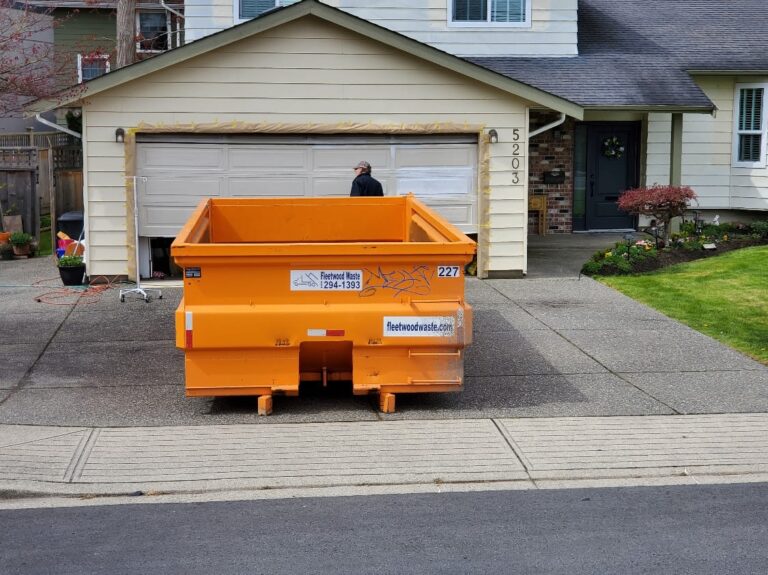
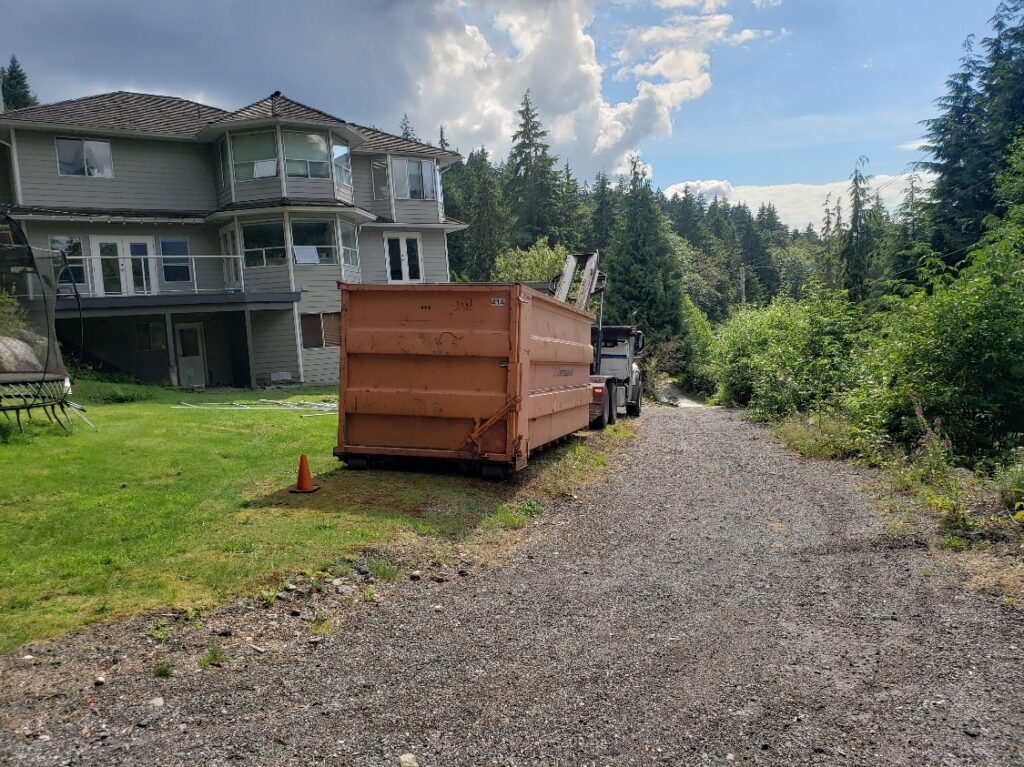
Confirm your Fleetwood rental
Rock boxes used for dirt or concrete include three days. Mixed-waste bins include five days. Contact Fleetwood before the agreed pickup if you need an extension, and confirm the additional-day charge and revised collection date in your written quote.
Pricing depends on your delivery city, bin, material and load. Confirm the included weight, loading limits and any applicable charges before booking. Drywall requires a separate drywall-only bin; concrete and dirt require a suitable separate container.