Construction waste—from home renovations to commercial builds—creates a large amount of debris. One of the most common materials is wood, along with drywall, concrete, metal, and more. But much of this waste can be recycled or reused, saving money and helping the environment.
In this guide, we’ll show you how to properly recycle wood and construction waste in Vancouver. You’ll learn about the benefits, what materials can be recycled, where to recycle them, and how to rent bins for easy disposal.
Why Recycling Wood and Construction Waste Matters?/
Recycling construction waste is more than just a trend—it’s a smart choice. Here’s why it matters:
-
Reduces Landfill Waste: A large amount of landfill space is taken up by construction materials. Recycling helps cut this down.
-
Saves Natural Resources: Recycling wood reduces the need to cut down trees.
-
Cuts Pollution: Wood in landfills releases methane, a harmful gas. Recycling prevents this.
-
Saves Money: In many cases, recycling reduces disposal costs compared to standard waste bins.
Types of Construction Waste You Can Recycle
1. Wood Waste
You can recycle:
-
Framing wood
-
Plywood
-
Old furniture
-
Pallets
-
Trim and floorboards
-
Wood from demolition
2. Drywall
Fleetwood mixed-waste bins can take approved wood, cabinets, flooring, furniture and suitable renovation debris. Keep drywall in a separate drywall-only bin and use an appropriate rock box for approved dirt or concrete. Hazardous waste, chemicals, batteries, appliances, electronics and food waste must stay out of mixed-waste bins.
3. Concrete
Concrete can be crushed and reused for road base or gravel, reducing the need for new materials.
4. Metals
Copper, steel, aluminum, and other metals are highly recyclable. Scrap from pipes, wires, and frames can be resold or reused.
5. Bricks
Bricks can often be cleaned and reused. If not, they can be crushed for landscaping or roadwork.
6. Glass and Plastics
Construction glass (windows, panels) and plastic (insulation, packaging) can be recycled at local depots.
Where to Recycle in Vancouver?
1. Vancouver Landfill (Delta)
Fleetwood mixed-waste bins can take approved wood, cabinets, flooring, furniture and suitable renovation debris. Keep drywall in a separate drywall-only bin and use an appropriate rock box for approved dirt or concrete. Hazardous waste, chemicals, batteries, appliances, electronics and food waste must stay out of mixed-waste bins.
2. GFL Environmental
Full-service waste and recycling management for residential and commercial clients.
3. Waste Connections of Canada
Provides recycling bins and customized waste solutions for construction projects.
4. Metro Concrete & Vancouver Concrete Recycling
Specializes in concrete drop-off and reuse.
5. Habitat for Humanity ReStores
Accepts good-quality wood, fixtures, and furniture for reuse in affordable housing projects.
Renting a Dumpster for Construction Waste
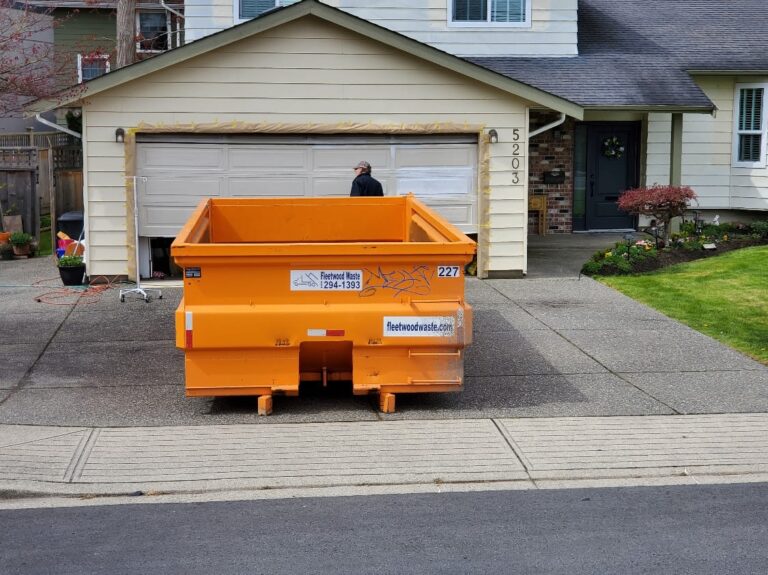
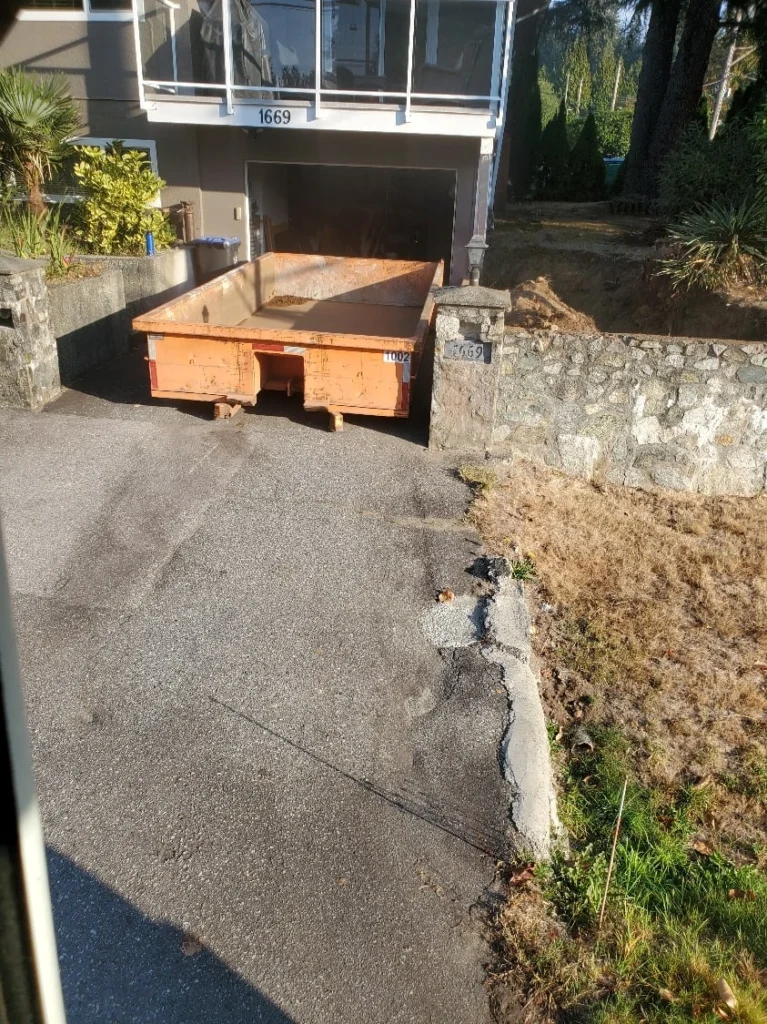
Step 1: Pick the Right Bin Size
-
10-Yard: Small projects or household cleanups
-
20-Yard: Medium renovations
-
30-Yard: Large home or light commercial projects
-
40-Yard: Major commercial construction
Step 2: Choose a Local Company
Trusted bin rental services in Vancouver:
-
Fleetwood Waste Systems Ltd.
-
Bin Rentals Vancouver
Step 3: Ask About Recycling Options
Make sure they separate and process recyclable materials.
Step 4: Sort Your Waste
Separate wood, metal, and general trash before loading the bin.
Step 5: Schedule Pickup
Once full, schedule timely pickup to avoid delays in your project.
Sustainable Waste Disposal Tips
-
Salvage Before You Toss: Reuse wood, bricks, or cabinetry when possible.
-
Donate Usable Items: Give usable furniture and materials to charities.
-
Avoid Mixing Materials: Keep recyclables separate to make processing easier.
-
Dispose of Hazardous Waste Safely: Treated wood, chemicals, or paint should be handled separately.
-
Choose Eco-Friendly Services: Go with waste companies that emphasize sustainability.
Benefits of Eco-Friendly Construction Waste Disposal
-
Lower Costs: Reduce landfill fees and transportation costs by recycling.
-
Stay Compliant: Meet Vancouver’s construction waste disposal rules.
-
Better for the Planet: Help protect natural resources and reduce emissions.
-
Support the Circular Economy: Give materials a second life.
Conclusion: Build Smart. Recycle Right.
Recycling construction waste in Vancouver isn’t hard—it just takes a little planning. Whether you’re dealing with wood, concrete, or metal, you have plenty of local options to recycle responsibly.
Need a bin for your construction waste?
Reach out to Fleetwood Waste Systems for reliable bin rentals and eco-friendly waste solutions in Vancouver.
Confirm your Fleetwood rental
Rock boxes used for dirt or concrete include three days. Mixed-waste bins include five days. Contact Fleetwood before the agreed pickup if you need an extension, and confirm the additional-day charge and revised collection date in your written quote.
Pricing depends on your delivery city, bin, material and load. Confirm the included weight, loading limits and any applicable charges before booking. Drywall requires a separate drywall-only bin; concrete and dirt require a suitable separate container.