In all major countries, concrete disposal is a serious concern. For example, in the UK, more than 85% of demolition and construction waste was concrete just a few years ago. Around 67.8 million tonnes of non-hazardous waste were generated, and 62.6 million tonnes were recovered — an impressive 92.3% recovery rate.
If you are a homeowner, contractor, or business owner, understanding concrete disposal and the best ways to manage leftover materials is essential — not only to protect the environment but also to save costs.
Why Is Concrete Disposal So Important?
Concrete makes up a huge portion of construction waste. Whether you are renovating your home, demolishing a building, or managing a commercial project, you will likely need a plan for disposal.
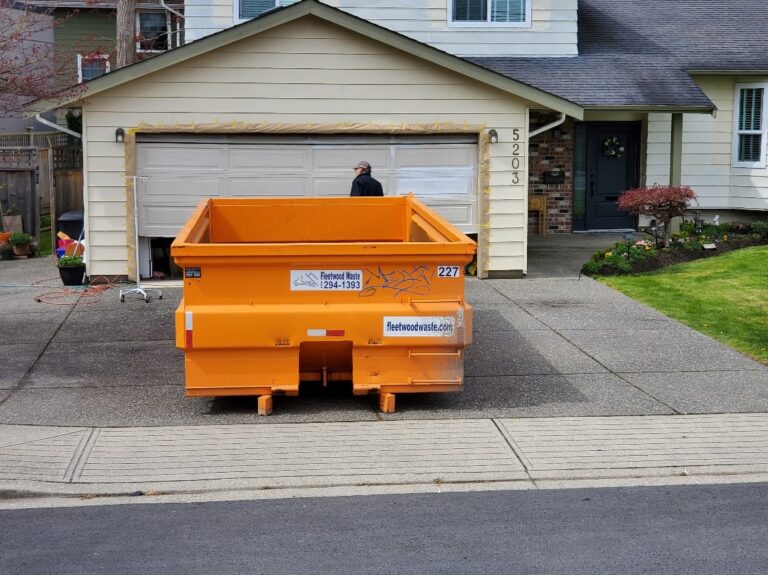
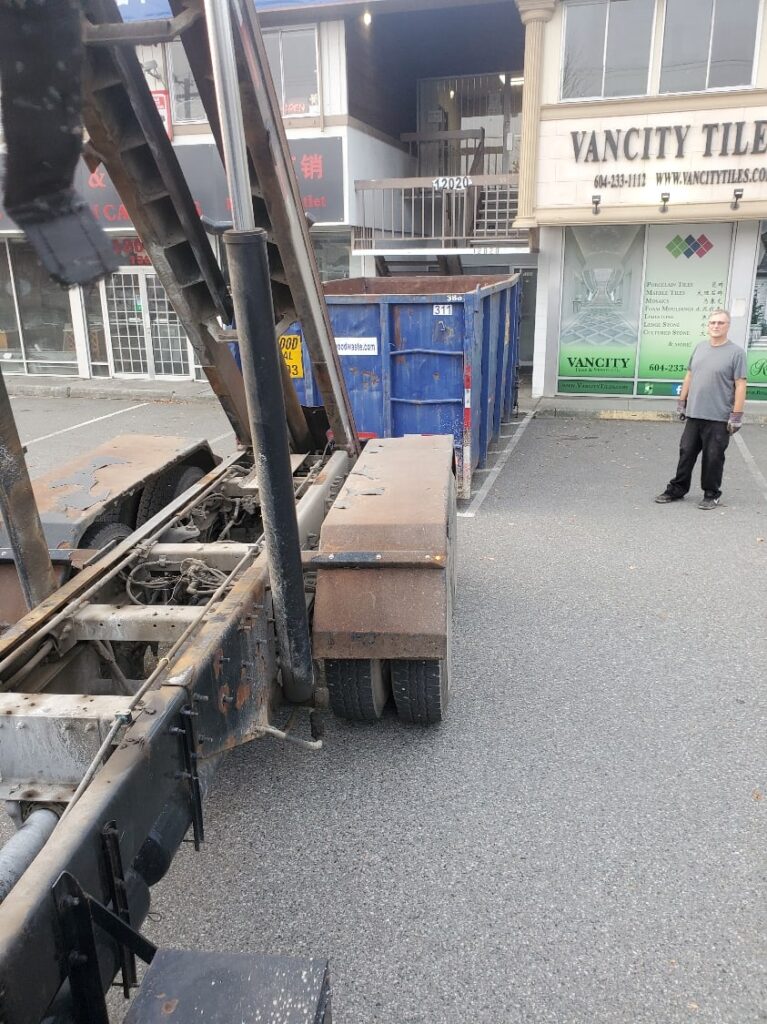
Many companies offer Construction Dumpster in Vancouver, Construction Dumpster in Surrey, and other Construction Bin Rental services that make removal easier. However, before hiring a professional, there are also several DIY and recycling options to consider.
Recycling concrete is beneficial because it can be reused for:
-
Gravel alternatives
-
Driveway paving
-
Landscaping projects
-
Creating artificial reefs for marine ecosystems
If you cannot recycle yourself, a disposal bin rental or garbage bin rental service is the most efficient solution.
How Can Concrete Be Removed?
1. Hire a Reliable Dumpster or Bin Rental Service
One of the fastest and most affordable ways to get rid of large amounts of concrete is to rent a construction dumpster. Many bin rental in Surrey and bin rental in Vancouver services provide roll-off dumpsters that can hold anywhere from 3 to 12 pickup truck loads.
Steps:
-
Choose the right size dumpster based on your load.
-
Schedule delivery and pick-up times.
-
Load the dumpster at your convenience.
-
Ensure you follow the provider’s weight capacity rules.
2. Contact Building Supply Retailers
Some building supply stores accept used concrete. You will usually need to drop it off yourself, but if you have a manageable amount, this can be a cost-effective option.
3. Reach Out to Landscaping Companies
Many landscaping businesses are happy to take unused concrete for use in projects like pavements, retaining walls, and decorative features. This keeps waste out of landfills and supports sustainable construction.
4. Offer It for Free
If you have small to medium amounts of concrete, you can leave a “Free Concrete” sign at the end of your driveway. This works well if you live on a busy road and potential takers can easily see it.
5. Dispose of It Yourself
If you have the equipment and time, you can haul the concrete to a local landfill or transfer station. Before you do, check:
-
Whether the facility accepts concrete.
-
If there are dumping fees.
-
Operating hours and regulations.
6. Donate to the Community
Concrete is expensive, and local builders or neighbours might be willing to take it off your hands for free. Use community boards, local classifieds, or social media to connect with people who can reuse your materials.
The Best Option for Large-Scale Projects
For bigger jobs, construction bin rental in Surrey or construction bin rental in Vancouver is the most efficient choice. A disposal bin rental or dumpster rental service saves you time, reduces labour, and ensures proper disposal or recycling.
When hiring:
-
Compare prices from multiple providers.
-
Choose the right bin size for your load.
-
Confirm if the service includes recycling.
Frequently Asked Questions
1. What is the best way to dispose of concrete from a construction project?
The best way to dispose of construction concrete is to use a construction bin rental or dumpster rental service. These services provide large roll-off bins that can hold several truckloads of concrete, making removal quick and efficient. You can also recycle concrete through building supply stores, landscaping companies, or by donating it to local projects.
2. Can old concrete be recycled instead of thrown away?
Yes. Old concrete can be crushed and reused for gravel, driveway base layers, landscaping projects, or even artificial reefs for marine habitats. Recycling reduces landfill waste and lowers the demand for new raw materials. Many bin rental in Vancouver and bin rental in Surrey services also sort and recycle collected concrete.
3. How much does it cost to rent a construction dumpster for concrete disposal?
The cost of a construction dumpster depends on bin size, rental duration, and location. In Vancouver and Surrey, concrete bin rentals typically range from a few hundred dollars for a small bin to higher rates for large-capacity bins. Prices may include delivery, pick-up, and disposal fees.
4. Where can I take leftover concrete for free?
You can offer leftover concrete for free to local builders, landscapers, or neighbours via community boards, social media, or a “Free Concrete” sign at your property. Some building supply retailers and landscaping companies will also accept it for free, provided you transport it yourself.
5. What size dumpster is best for concrete removal?
For concrete disposal, most projects require a 10 to 20-yard roll-off dumpster, which can hold the equivalent of 3–6 pickup truck loads. Always check with your construction bin rental provider for weight capacity limits, as concrete is much heavier than general construction waste.
Final Thoughts
Concrete disposal doesn’t have to be complicated. Whether you recycle, donate, or use a construction bin rental, the key is to handle waste responsibly. This helps the environment, saves costs, and ensures you stay compliant with local regulations.
If you’re in Vancouver or Surrey, a reliable garbage bin rental or construction dumpster service can make your clean-up fast, safe, and eco-friendly.