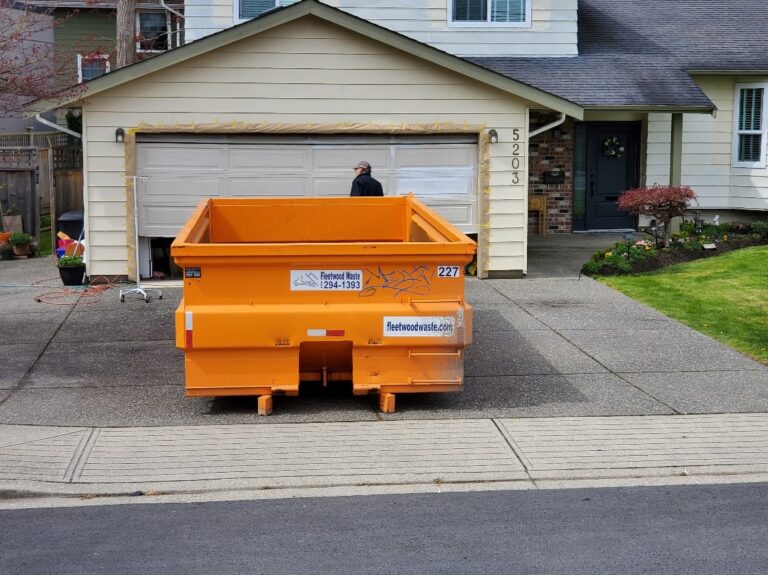
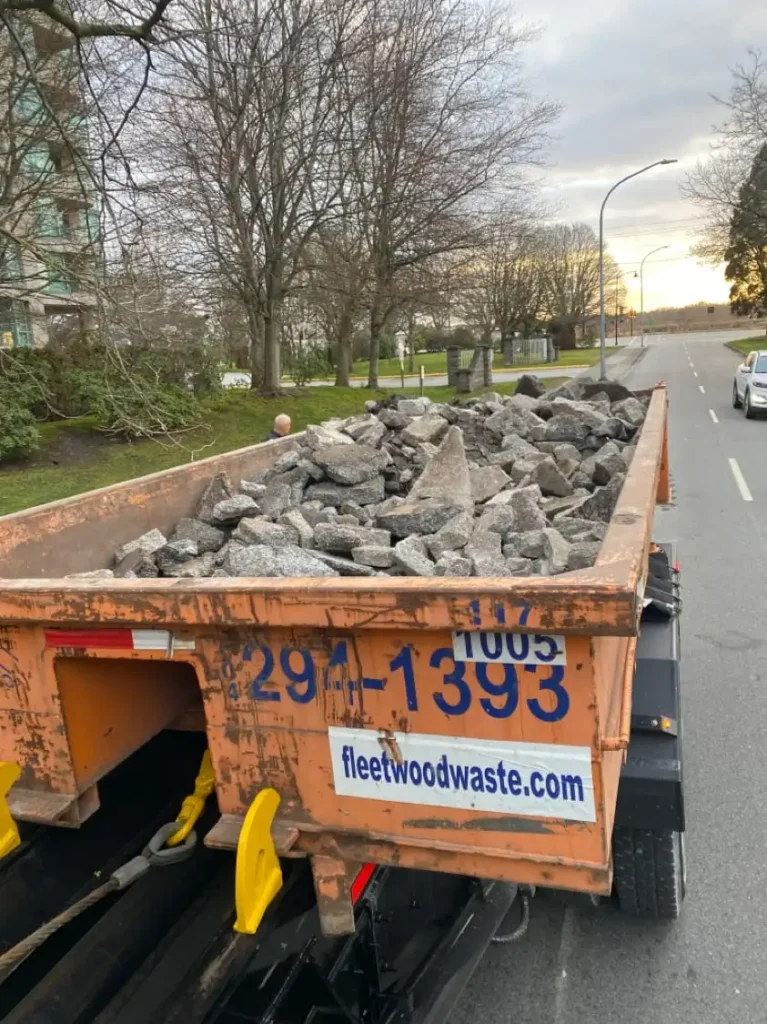
When a home renovation or construction waste project ends, many people are left staring at piles of broken marble, granite, or ceramic tiles and thinking the same thing: Is this all just trash?
The short answer is no.
Marble, tile, and other stone waste can often be reused, recycled, or responsibly processed instead of going straight to a landfill.
How to Recycle and Dispose of Marble and Tile Waste
Stone waste comes from both construction and renovation projects. It usually includes:
- Broken marble slabs
- Leftover granite or quartz pieces
- Cracked ceramic or porcelain tiles
- Stone dust and slurry from cutting and polishing
- Old flooring or wall tiles removed during remodeling
These materials are natural or mineral-based, which means they do not break down easily. Dumping them in landfills creates long-term waste problems.
Key fact:
Natural stone like marble and granite is non-toxic, but it is not biodegradable.
Why Recycling Marble and Tile Waste Matters
Recycling stone waste is not just “nice to do.” It directly impacts the environment and local communities.
Environmental Benefits
- Reduces landfill use
- Lowers demand for new stone mining
- Saves energy used in crushing and quarrying
- Reduces dust and air pollution
Stone mining is energy-intensive. Reusing existing stone reduces the need to cut fresh material out of hills and mountains.
Economic Benefits
- Lower disposal costs
- Possible resale or reuse value
- Reduced transportation and dumping fees
Many people do not realize that stone waste can have value if handled correctly.
Is Marble and Tile Waste Recyclable?
Marble Waste
Yes, marble is recyclable.
Recycled marble is commonly used for:
- Construction filler
- Terrazzo flooring
- Decorative gravel
- Cement and concrete mixes
- Landscaping stone chips
Tile Waste (Ceramic & Porcelain)
Yes, most tiles are recyclable.
Recycled tiles are used for:
- Road base material
- Concrete aggregate
- Drainage layers
- Landscaping beds
However, tiles that contain heavy adhesives or chemical coatings may need special processing.
Common Recycling Options for Stone Waste
1. Local Recycling Facilities for Construction Waste
Many cities have construction and demolition (C&D) recycling centers. These facilities accept:
- Broken tiles
- Marble and granite scraps
- Mixed stone waste
Before visiting, ask:
- What types of stone are accepted?
- Do they require separation?
- Is there a drop-off fee?
2. Stone Fabricators and Marble Workshops
Stone cutting units often collect waste and repurpose it.
They may:
- Crush marble into powder
- Recut larger usable pieces
- Resell remnants at discount prices
Tip: Smaller workshops are often more flexible and community-focused than large factories.
3. Reusing Stone Waste at Home
Some stone waste can be reused without any recycling facility.
Ideas include:
- Garden pathways using broken tiles
- Mosaic artwork
- Outdoor stepping stones
- Raised garden bed borders
- Driveway filler
4. Donation to Artists and NGOs
Artists, schools, and community projects often look for stone scraps.
They use them for:
- Sculptures
- Public art
- Educational projects
- Low-cost construction
Contact:
- Art schools
- NGOs focused on sustainable building
- Community makerspaces
5. Recycling Through Construction Contractors
If you are working with a contractor, ask upfront:
- Do you recycle stone waste?
- Where does the debris go?
- Can materials be separated?
Professional builders increasingly partner with green waste handlers to meet sustainability standards.
What Usually Cannot Be Recycled Easily?
Some stone-related waste is harder to recycle:
- Tiles stuck with heavy epoxy adhesives
- Stone mixed with insulation or plastic
- Chemical-treated or resin-coated stones
Even then, specialized processors may still accept them, so always ask before dumping.
How to Prepare Marble or Tile Waste for Recycling
Preparation makes recycling easier and cheaper.
Simple Steps:
- Separate stone from other waste
Do not mix with wood, plastic, or metal. - Remove adhesives if possible
Even partial cleaning helps. - Sort by type
Marble, granite, ceramic, and porcelain should be grouped. - Avoid breaking into dust unnecessarily
Larger pieces are easier to reuse.
Frequently Asked Questions
Is marble biodegradable?
No. Marble is a natural stone but does not break down naturally. That is why reuse and recycling are important.
Can broken tiles go in regular trash?
They can, but they should not. Landfills are not designed for heavy mineral waste and fill up faster because of stone debris.
Is recycled marble safe for construction use?
Yes. Recycled marble is widely used as aggregate and filler. It meets safety standards when processed correctly.
Does recycling stone waste cost money?
Sometimes. Costs depend on:
- Quantity
- Type of stone
- Distance to recycling center
In many cases, recycling is cheaper than landfill dumping.
Who benefits the most from stone recycling?
- Homeowners
- Builders and contractors
- Municipal waste systems
- The environment
Everyone benefits when less waste goes to landfills.
The Bigger Picture: Stone Waste and Sustainability
Stone is one of the oldest building materials on Earth. Ancient civilizations reused stone continuously because it was valuable.
Modern construction often forgets this lesson.
Recycling marble and tile waste:
- Supports circular construction practices
- Reduces carbon footprint
- Helps meet green building certifications
Sustainable building is not only about fancy technology. Sometimes, it starts with not throwing useful material away.
How This Affects Homeowners and Businesses
If you are:
- Renovating a bathroom or kitchen
- Running a tile or stone business
- Managing construction projects
Stone recycling shows responsibility and long-term thinking. It also builds trust with environmentally aware customers.
Quick Checklist Before You Throw Stone Away
Ask yourself:
- Can this be reused?
- Is there a recycling center nearby?
- Can someone else benefit from this material?
- Is dumping really the best option?
Most of the time, the answer is no.
Final Thoughts
Marble and tile waste is not trash. It is a resource that is often misunderstood and ignored.
With small effort and the right information, you can:
- Reduce waste
- Save money
- Support sustainable construction practices
The next time you see broken stone, do not think landfill. Think reuse, recycle, repurpose.
If you are dealing with marble, granite, or tile waste and want responsible recycling options, talk to a local construction waste expert or sustainable materials consultant today.
Making one smart choice with stone waste helps protect resources for the next generation.
Confirm your Fleetwood rental
Rock boxes used for dirt or concrete include three days. Mixed-waste bins include five days. Contact Fleetwood before the agreed pickup if you need an extension, and confirm the additional-day charge and revised collection date in your written quote.
Pricing depends on your delivery city, bin, material and load. Confirm the included weight, loading limits and any applicable charges before booking. Drywall requires a separate drywall-only bin; concrete and dirt require a suitable separate container.