Renovating your home or construction site often leaves behind drywall scraps. Drywall, also called gypsum board or plasterboard, is lightweight but cannot be thrown in your regular trash. Knowing how to properly dispose of drywall in Surrey and Vancouver ensures safety, compliance with local laws, and environmental responsibility. This guide explains everything from recycling options to dumpster rentals and safe handling tips.
What is Drywall and Why Proper Disposal is Important
Drywall is a popular building material made from gypsum, paper, and sometimes fiberglass. While easy to install, improper disposal can cause:
- Environmental harm: Landfilling drywall can release hydrogen sulfide gas, which is harmful.
- Legal issues: Surrey and Vancouver have strict regulations for construction and renovation waste.
- Safety hazards: Dust from drywall can irritate skin, eyes, and lungs.
Proper disposal helps protect the environment, keeps your project legal, and maintains safety for everyone.
Step 1: Measure and Sort Your Drywall Waste
Fleetwood mixed-waste bins can take approved wood, cabinets, flooring, furniture and suitable renovation debris. Keep drywall in a separate drywall-only bin and use an appropriate rock box for approved dirt or concrete. Hazardous waste, chemicals, batteries, appliances, electronics and food waste must stay out of mixed-waste bins.
- Small renovations: Bag small pieces in contractor garbage bags.
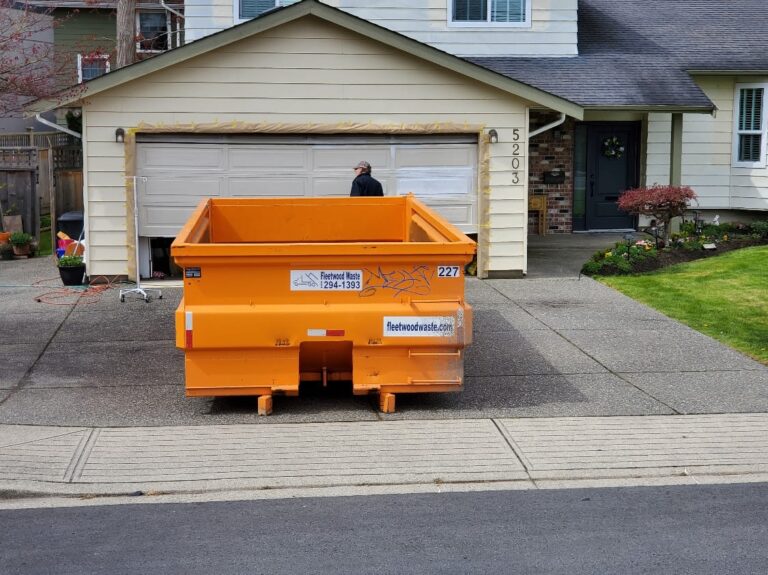
- Medium projects: A 10–20-yard dumpster works best.
- Large construction sites: Rent a 30–40 yard roll-off container.
Tip: Separate clean drywall from painted, treated, or contaminated boards. Clean pieces are easier to recycle.
Step 2: Choose a Drywall Disposal Method
1. Dumpster Rental Services
Fleetwood mixed-waste bins can take approved wood, cabinets, flooring, furniture and suitable renovation debris. Keep drywall in a separate drywall-only bin and use an appropriate rock box for approved dirt or concrete. Hazardous waste, chemicals, batteries, appliances, electronics and food waste must stay out of mixed-waste bins.
- 10-yard bin: Small home projects.
- 20-yard bin: Medium renovations or office projects.
- 30–40-yard bin: Large construction or demolition sites.
When choosing a rental company, consider:
- Transparent pricing
- Pickup and delivery schedules
- Permit requirements
2. Recycling Centres
Fleetwood mixed-waste bins can take approved wood, cabinets, flooring, furniture and suitable renovation debris. Keep drywall in a separate drywall-only bin and use an appropriate rock box for approved dirt or concrete. Hazardous waste, chemicals, batteries, appliances, electronics and food waste must stay out of mixed-waste bins.
- Clean, unpainted drywall
- Gypsum scrap from renovation projects
Make sure to remove any insulation, nails, screws, or adhesives. Contaminated drywall cannot be recycled.
3. Junk Removal Services
For small quantities or urgent cleanups, junk removal companies offer quick pickup. While more expensive, this option saves time and effort.
Step 3: Prepare Drywall for Safe Disposal
Proper preparation makes disposal safer and cheaper:
- Remove nails, screws, and metal.
- Break large sheets into manageable pieces.
- Bag small debris in heavy-duty contractor bags.
- Separate clean drywall for recycling.
Step 4: Understand Disposal Costs
Costs vary depending on the disposal method:
- Dumpster rental — View city pricing or request a written quote for your bin, material and delivery address.
- Recycling drop-off — View city pricing or request a written quote for your bin, material and delivery address.
- Junk removal service — View city pricing or request a written quote for your bin, material and delivery address.
Tip: Compare local providers to get the best rate and ensure fees include disposal.
Step 5: Follow Local Regulations
Both Surrey and Vancouver regulate construction waste disposal:
- Permits: Required for large dumpsters or curbside pickup.
- Landfill restrictions: Painted or treated drywall may not be accepted.
- Recycling incentives: Some centres offer lower fees for properly recycled drywall.
Step 6: Eco-Friendly Drywall Disposal Tips
Minimize your environmental impact with these tips:
- Recycle clean drywall whenever possible.
- Reuse scraps for patching, crafts, or insulation.
- Never burn drywall; it produces toxic gases.
- Hire certified disposal companies for responsible handling.
Step 7: Safety Tips for Handling Drywall
Drywall dust and sharp edges can cause injuries. Protect yourself:
- Wear gloves, goggles, and a dust mask.
- Use a dolly or wheelbarrow for heavy sheets.
- Keep the work area clean to avoid slips and trips.
Step 8: DIY vs Professional Drywall Disposal
Deciding whether to do it yourself or hire a professional depends on:
- Volume of waste: Large projects benefit from dumpsters or junk removal.
- Time constraints: Professionals save effort and time.
- Knowledge of local regulations: Experts ensure compliance.
Hiring a professional may cost more but guarantees safe, eco-friendly disposal.
Frequently Asked Questions (FAQs)
Fleetwood mixed-waste bins can take approved wood, cabinets, flooring, furniture and suitable renovation debris. Keep drywall in a separate drywall-only bin and use an appropriate rock box for approved dirt or concrete. Hazardous waste, chemicals, batteries, appliances, electronics and food waste must stay out of mixed-waste bins.
No. Local trash collection in Surrey and Vancouver does not accept drywall. Always use a recycling centre, dumpster, or licensed removal service.
Q2: How can I recycle drywall in Vancouver?
Take clean, unpainted gypsum boards to recycling centres or hire a certified construction waste service.
Fleetwood mixed-waste bins can take approved wood, cabinets, flooring, furniture and suitable renovation debris. Keep drywall in a separate drywall-only bin and use an appropriate rock box for approved dirt or concrete. Hazardous waste, chemicals, batteries, appliances, electronics and food waste must stay out of mixed-waste bins.
- Small project: 10-yard bin
- Medium renovation: 20-yard bin
- Large construction: 30–40-yard bin
Q4: Is drywall hazardous?
Drywall itself is not toxic, but improper disposal can release hydrogen sulfide gas in landfills. Use proper handling techniques.
Q5: How much does drywall disposal cost?
Confirm the applicable weight allowance and additional disposal charges in your written quote.
Conclusion
Disposing of drywall in Surrey and Vancouver is simple if you follow the right steps. Measure your waste, prepare it safely, and choose the right disposal method. Whether you opt for a dumpster rental, recycling centre, or professional junk removal service, following local rules ensures safety and environmental responsibility.
Fleetwood mixed-waste bins can take approved wood, cabinets, flooring, furniture and suitable renovation debris. Keep drywall in a separate drywall-only bin and use an appropriate rock box for approved dirt or concrete. Hazardous waste, chemicals, batteries, appliances, electronics and food waste must stay out of mixed-waste bins. See Contact a local Surrey.
Confirm your Fleetwood rental
Rock boxes used for dirt or concrete include three days. Mixed-waste bins include five days. Contact Fleetwood before the agreed pickup if you need an extension, and confirm the additional-day charge and revised collection date in your written quote.
Pricing depends on your delivery city, bin, material and load. Confirm the included weight, loading limits and any applicable charges before booking. Drywall requires a separate drywall-only bin; concrete and dirt require a suitable separate container.