Every construction site — whether it’s a new home, a renovation, or a big commercial build — creates a lot of waste.
We’re talking wood, concrete, drywall, glass, packaging, and more. Sadly, much of it still ends up in landfills.
But here’s the good news: a big part of construction waste can be recycled or reused.
With the right plan, builders can cut down on waste, save money, and protect the environment at the same time.
This guide breaks down how to handle construction waste disposal in a smart, sustainable way — with clear steps, practical examples, and simple ideas any builder or homeowner can follow.
1. What Exactly Is Construction Waste Disposal?
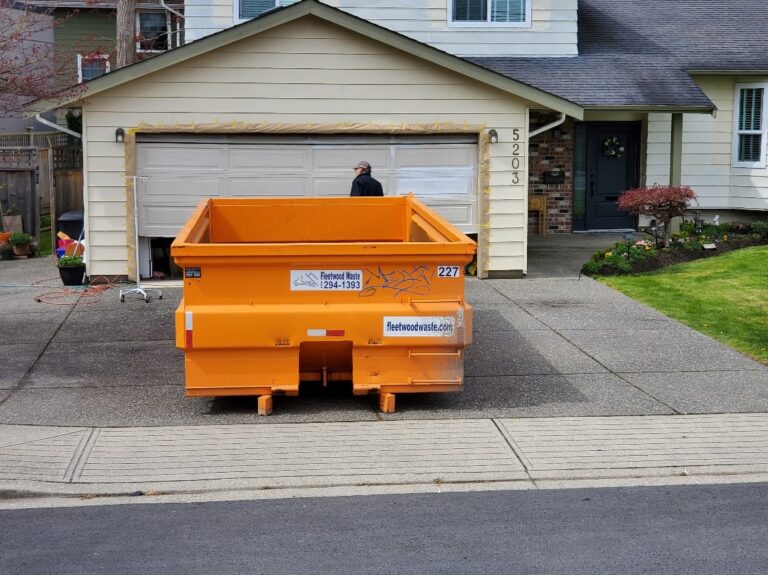
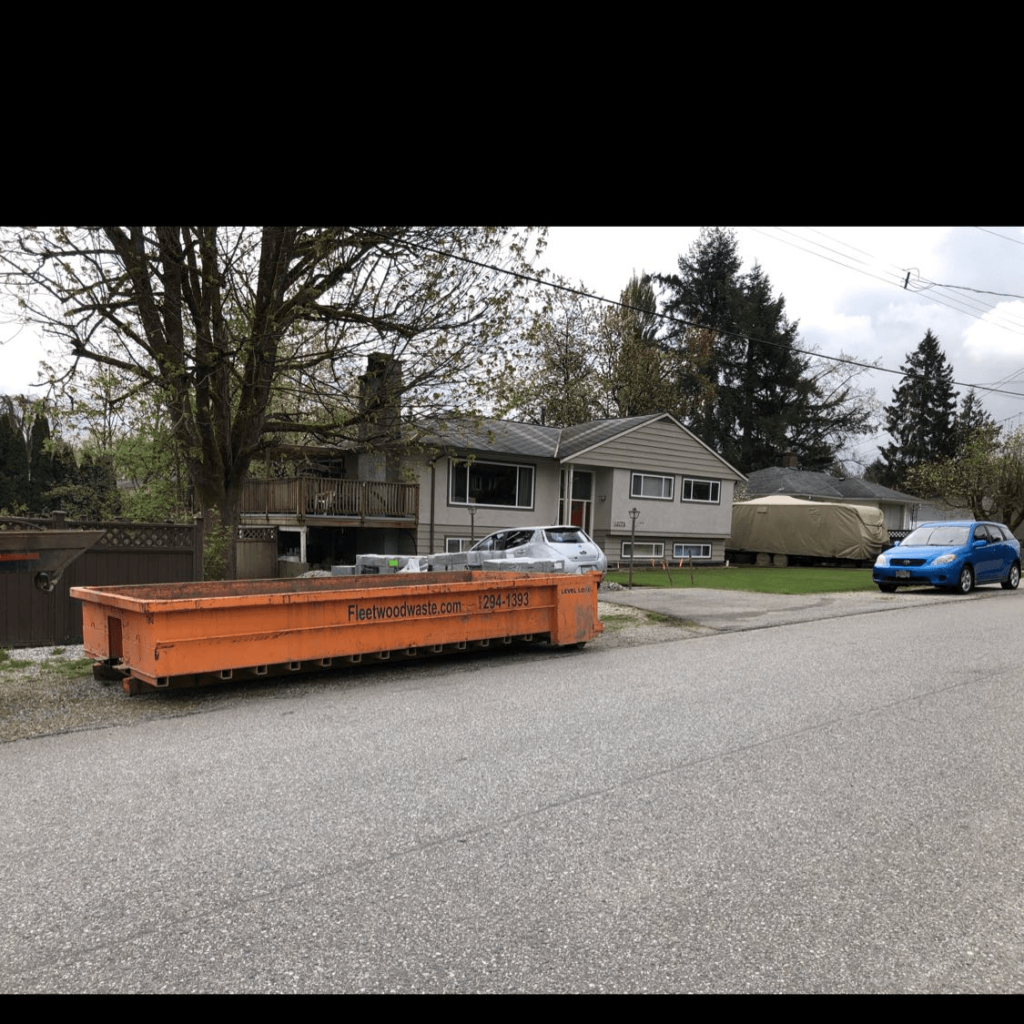
Fleetwood mixed-waste bins can take approved wood, cabinets, flooring, furniture and suitable renovation debris. Keep drywall in a separate drywall-only bin and use an appropriate rock box for approved dirt or concrete. Hazardous waste, chemicals, batteries, appliances, electronics and food waste must stay out of mixed-waste bins.
You’ll usually deal with:
- Recyclable materials: things like wood, metal, concrete, and glass
- Reusable materials: doors, flooring, fixtures, and cabinetry
- Hazardous waste: paint, adhesives, or treated wood that needs special care
Instead of throwing it all away, sorting and recycling helps you keep reusable materials out of landfills. That’s the first step toward green building waste disposal and a more responsible construction process.
2. Why Sustainable Construction Waste Management Matters
Construction waste doesn’t have to be “waste.” With a good system in place, most materials can have a second life.
Here’s why sustainable construction waste management is worth it:
- Saves money: Recycling reduces hauling and landfill costs.
- Meets local rules: Many cities in BC now require waste diversion reports.
- Protects the planet: Less landfill waste means fewer greenhouse gases.
- Builds your reputation: Clients appreciate builders who care about sustainability.
Think of it this way — every piece of wood or concrete you recycle is one less thing sitting in a landfill for decades.
3. Common Construction Materials You Can Recycle
Before you toss debris in the dumpster, check if it’s recyclable. Most building materials are.
Here’s a quick guide:
| Material | What You Can Do With It |
| Concrete & Asphalt | Crush and reuse as gravel or fill material |
| Wood | Turn into mulch, fuel, or reclaimed lumber |
| Metal (Steel, Copper, Aluminum) | Melt and reuse for new products |
| Bricks & Tiles | Clean and reuse for new builds or landscaping |
| Glass | Recycle into new glass or add to concrete mixes |
| Cardboard & Plastic | Send to recycling centres for reuse in packaging |
By recycling these materials, you can reduce waste from your site by up to 60–80%, depending on how well you separate them.
4. Simple Ways to Reduce Construction Site Waste
You don’t need complex systems to make a difference. A few smart habits can help you reduce construction site waste quickly.
a. Plan Before You Start
Make a waste management plan early. Know which materials can be recycled, where bins will go, and which company will handle pickup.
b. Buy Only What You Need
Over-ordering is one of the biggest causes of waste. Use accurate measurements and digital estimating tools to keep orders tight.
c. Protect Your Materials
Store supplies properly to avoid damage from rain, dust, or theft. Wasted materials = wasted money.
d. Reuse What You Can
Old doors, fixtures, and wood can often be reused or donated instead of thrown out.
e. Separate Waste On Site
Label bins for wood, concrete, metal, and general waste. Sorting on-site makes recycling easier and cheaper later.
f. Train Your Team
Even a short talk on recycling can help your crew make better choices every day.
These construction recycling tips might seem small, but together they make a huge impact.
5. How to Recycle Construction Materials (Step-by-Step)
Here’s a straightforward process that works for most builders and renovation crews:
- Identify what can be recycled — like concrete, metal, or clean wood.
- Sort materials at the source instead of mixing everything together.
- Use a certified recycling service or bin provider in your area.
- Track your waste so you can see how much you recycle versus throw away.
- Keep records for city inspections or green building certifications.
Following these steps keeps your project organized and proves your commitment to construction waste recycling.
6. Local Options: Finding Eco-Friendly Disposal Services
If you’re in Vancouver, Surrey, Burnaby, or the Lower Mainland, you have several good waste management companies to choose from.
Most offer:
- Roll-off bins for construction waste
- Separate bins for wood, concrete, and mixed debris
- Pickup services and recycling reports
- Options for commercial or residential projects
When hiring a disposal company:
- Make sure they’re licensed and environmentally certified
- Ask for a waste diversion report showing how much was recycled
- Choose bin sizes that fit your site space and volume needs
Partnering with the right company makes sustainable construction waste management much easier and more reliable.
7. Green Building Standards: Why They Matter
If you’re working on larger commercial or multi-family projects, consider following green building standards like:
- LEED (Leadership in Energy and Environmental Design)
- Built Green Canada
These programs reward builders for recycling, reusing, and tracking construction waste responsibly.
Not only do they reduce your environmental footprint, but they can also add value to your projects — especially for clients who care about eco-friendly design.
8. Practical Construction Recycling Tips for Small Builders and Homeowners
Even if you’re not managing a huge site, you can still make a difference.
- Fleetwood mixed-waste bins can take approved wood, cabinets, flooring, furniture and suitable renovation debris. Keep drywall in a separate drywall-only bin and use an appropriate rock box for approved dirt or concrete. Hazardous waste, chemicals, batteries, appliances, electronics and food waste must stay out of mixed-waste bins.
- Take scrap metal to local recycling centres — many will pay you for it.
- Reuse leftover concrete as a garden border or path filler.
- Donate usable items like cabinetry, windows, or flooring.
- Separate hazardous waste like paint or insulation — never mix it with general trash.
Small projects add up. If every builder followed these steps, construction waste in landfills would drop dramatically.
9. What’s Next: The Future of Construction Recycling
Recycling in the construction industry is becoming smarter and more efficient.
We’re already seeing:
- Smart bins that track waste automatically
- AI-powered sorting at recycling facilities
- Recycled materials like concrete and plastics used in new buildings
- Circular construction models where old materials are reused in new projects
These changes mean builders will soon be able to manage waste more easily and at lower costs — a win for both business and the planet.
10. Wrapping Up: Build Smarter, Waste Less
Eco-friendly construction waste disposal isn’t just a trend — it’s a necessity.
By recycling, reusing, and planning ahead, builders can cut waste, save money, and make a real difference.
You don’t have to overhaul everything overnight. Start with one project, one bin, or one team meeting about recycling. The impact grows from there.
When you reduce construction waste, you’re not only improving your job site — you’re building a cleaner, greener future for your community.
Frequently Asked Questions
Q1: What construction materials can’t be recycled?
Materials like asbestos, some paints, and certain insulation types usually require special handling and can’t go to regular recycling centres.
Q2: Is recycling construction waste more expensive?
Actually, no. Recycling often saves money by cutting disposal and landfill fees.
Q3: What’s the easiest material to recycle on-site?
Clean wood and metal are the easiest. They can go straight to recycling facilities.
Q4: How do I find recycling services near me?
Check your local city website or search for “construction recycling services near me” — many certified providers in BC offer free quotes.
Take the Next Step
If you’re ready to make your next project greener, start by working with a certified construction waste disposal company in your area.
They’ll help you separate materials, set up bins, and recycle as much as possible.
Smart construction isn’t just about building better — it’s about building responsibly.
Get started today and turn your waste into something worthwhile.
Confirm your Fleetwood rental
Rock boxes used for dirt or concrete include three days. Mixed-waste bins include five days. Contact Fleetwood before the agreed pickup if you need an extension, and confirm the additional-day charge and revised collection date in your written quote.
Pricing depends on your delivery city, bin, material and load. Confirm the included weight, loading limits and any applicable charges before booking. Drywall requires a separate drywall-only bin; concrete and dirt require a suitable separate container.