
Disposing of wood waste safely is important for homeowners, contractors, and businesses. Wood waste can include old furniture, pallets, plywood, treated lumber, and construction debris. If not handled correctly, wood can harm the environment, create fire or pest hazards, or even violate local waste rules. This guide explains the best ways to dispose of wood waste near you, including costs and eco-friendly options.
What Counts as Wood Waste?
Wood waste includes discarded wood materials from homes, businesses, or construction sites. Common types are:
- Untreated wood: Lumber, plywood, old furniture, or offcuts.
- Treated wood: Pressure-treated boards, painted wood, or stained lumber.
- Construction debris: Pallets, formwork, or leftover framing wood.
- Scrap wood: Small pieces from DIY projects, renovations, or workshops.
Knowing your wood type is important. Untreated wood can usually be recycled, while treated or painted wood often requires special disposal.
Why Proper Wood Waste Disposal Matters
- Environmental Protection
Treated or painted wood can release harmful chemicals into soil or water if burned or dumped in a landfill. Recycling untreated wood helps reduce waste and supports sustainability. - Safety
Wood piles left in yards or construction sites can become fire hazards or attract pests. - Compliance with Local Laws
Many cities have strict rules about treated wood disposal. Ignoring these regulations can lead to fines or penalties. - Recycling and Reuse
Many wood items can be reused or turned into mulch, compost, or biomass fuel. Proper disposal maximizes recycling opportunities.
Best Ways to Dispose of Wood Waste
Depending on the type and amount of wood, you have several options:
1. Curbside Pickup and Municipal Waste Services
Some cities provide curbside pickup for small amounts of wood waste. Check your local municipal services for:
- Pickup schedules
- Maximum allowed volume
- Types of wood accepted
Pros: Convenient for small projects, usually included in your waste service.
Cons: Limited quantity; treated wood may not be accepted.
Estimated Cost: Often free, but large items or extra pickups may have fees.
2. Recycling Centres and Drop-Off Locations
Local recycling centres often accept untreated wood to make wood chips, mulch, or reused lumber. Some also accept old pallets and furniture.
- Search for “wood recycling near me” or “lumber disposal Vancouver”.
- Separate nails, screws, and metal fixtures before drop-off.
Pros: Environmentally friendly; supports local recycling programs.
Cons: You may need to transport wood yourself; treated wood is often excluded.
Estimated Cost: Usually free for clean, untreated wood; construction debris may have fees.
3. Dumpster and Roll-Off Bin Rentals
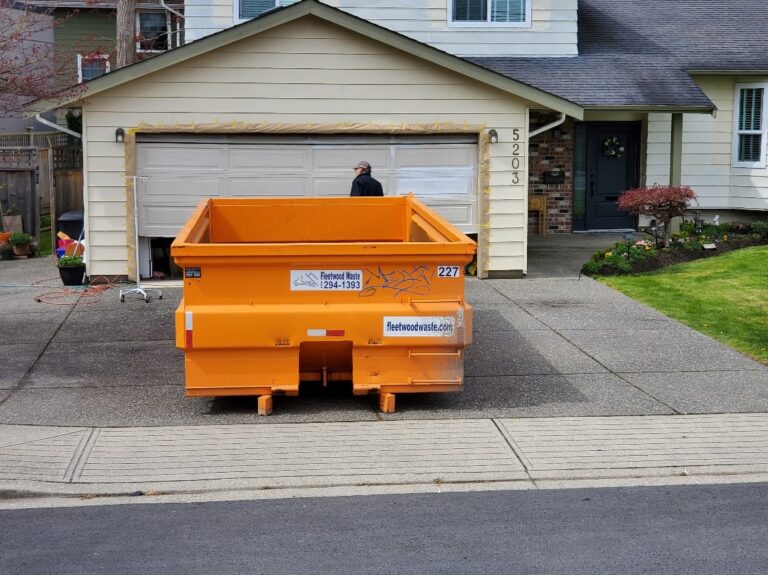
Large volumes of wood, such as from renovations or construction, are best handled with a dumpster or roll-off container.
- Pick the right size (10-yard, 20-yard, or 40-yard) for your project.
- Confirm the rental company accepts treated wood if needed.
- Schedule pickup after filling the dumpster.
Pros: Handles large amounts of wood; convenient for contractors and homeowners.
Cons: Can be more expensive depending on bin size and type of wood.
Estimated Cost:
- 10-yard bin — View city pricing or request a written quote for your bin, material and delivery address.
- 20-yard bin — View city pricing or request a written quote for your bin, material and delivery address.
- 40-yard bin — View city pricing or request a written quote for your bin, material and delivery address.
Prices vary by location and service provider.
4. Donation and Reuse
If the wood is still in good shape, consider giving it a second life:
- Charities and nonprofits often accept furniture, pallets, or lumber.
- DIY projects: Turn scrap wood into shelves, garden planters, or furniture.
- Online marketplaces: Sell or give away wood to people who can reuse it.
Pros: Sustainable, cost-effective, and benefits your community.
Cons: Only suitable for wood in usable condition; you may need to deliver it.
5. Professional Junk Removal Services
If you prefer convenience, professional junk removal companies can pick up and properly dispose of wood waste from your home or site.
- They handle sorting, transport, and disposal according to local regulations.
- Often provide documentation for business or insurance purposes.
Pros: Hassle-free, safe, and ensures compliance.
Cons: Typically more expensive than DIY options.
Request the rate for your delivery city and material.
Tips for Safe and Eco-Friendly Wood Waste Disposal
- Sort Wood Types – Keep untreated, treated, and painted wood separate for proper recycling.
- Remove Hardware – Take out nails, screws, and brackets to avoid injuries and damage.
- Check Local Rules – Cities often have specific regulations for treated or painted wood.
- Recycle When Possible – Reduce landfill waste and help the environment.
- Plan Ahead for Large Projects – Rent dumpsters or schedule pickup in advance for renovations or demolition projects.
Frequently Asked Questions (FAQs)
Q1. Can treated wood be recycled?
A: Treated wood contains chemicals and usually cannot be recycled like untreated wood. It must be taken to licensed disposal facilities or handled by professional waste services.
Q2. How much does it cost to dispose of wood waste in a dumpster?
Fleetwood pricing depends on the delivery city, bin, material and rental arrangements. Enter your email and delivery city to view available local rates, or request a written quote confirming the included weight, rental time, surcharges and taxes.
Q3. Where can I recycle old pallets or furniture?
A: Local recycling centres, charities, and some donation programs accept untreated wood furniture and pallets. Search “wood recycling near me” for options.
Q4. Can I burn wood waste at home?
A: Only untreated wood should be burned in a safe and controlled way. Treated or painted wood releases harmful chemicals and should never be burned.
Q5. What is the easiest way to dispose of wood from home renovations?
A: Renting a dumpster or hiring a professional junk removal service is often the most convenient, safe, and compliant option.
Conclusion
Proper wood waste disposal protects the environment, ensures safety, and keeps you compliant with local regulations. Whether you’re a homeowner or a contractor, you can choose curbside pickup, recycling centres, dumpster rentals, or professional junk removal depending on your needs. Always sort your wood, check regulations, and recycle whenever possible.
If you need wood waste disposal or recycling services near you, contact our expert team today. We offer eco-friendly solutions, fair pricing, and fast pickup for homes, businesses, and construction sites. Get your free quote now and dispose of your wood safely and responsibly.
Confirm your Fleetwood rental
Rock boxes used for dirt or concrete include three days. Mixed-waste bins include five days. Contact Fleetwood before the agreed pickup if you need an extension, and confirm the additional-day charge and revised collection date in your written quote.
Pricing depends on your delivery city, bin, material and load. Confirm the included weight, loading limits and any applicable charges before booking. Drywall requires a separate drywall-only bin; concrete and dirt require a suitable separate container.